In the realm of industrial automation, robotics, and consumer electronics, the ability to detect the presence or absence of an object without physical contact is paramount. This is the domain of the proximity sensor, a silent yet critical component driving efficiency and innovation. Among the myriad of options available, discerning engineers and designers seek out the "giant" in the field—not merely in size, but in performance, reliability, and technological excellence. Achieving "巨佳" or supreme quality in proximity sensing involves a confluence of advanced engineering, precise manufacturing, and a deep understanding of application demands.
At its core, a proximity sensor operates by emitting an electromagnetic field or a beam of electromagnetic radiation (often infrared light). It then looks for changes in the field or the return signal. The key differentiators for a top-tier sensor lie in its sensing distance, accuracy, response time, and environmental robustness. A superior sensor offers a longer and more stable sensing range, ensuring reliable detection even with variations in target material, color, or surface texture. For instance, a capacitive sensor from a leading manufacturer can consistently detect non-metallic objects like plastic or liquid through barriers, a feat where inferior models fail.
Precision is non-negotiable. In high-speed assembly lines or delicate robotic pick-and-place operations, a millisecond delay or a millimeter of inaccuracy can lead to significant downtime or product damage. The best proximity sensors boast exceptionally fast response times and repeatability, meaning they deliver the same result under identical conditions countless times. This reliability forms the backbone of just-in-time manufacturing and complex automated processes.
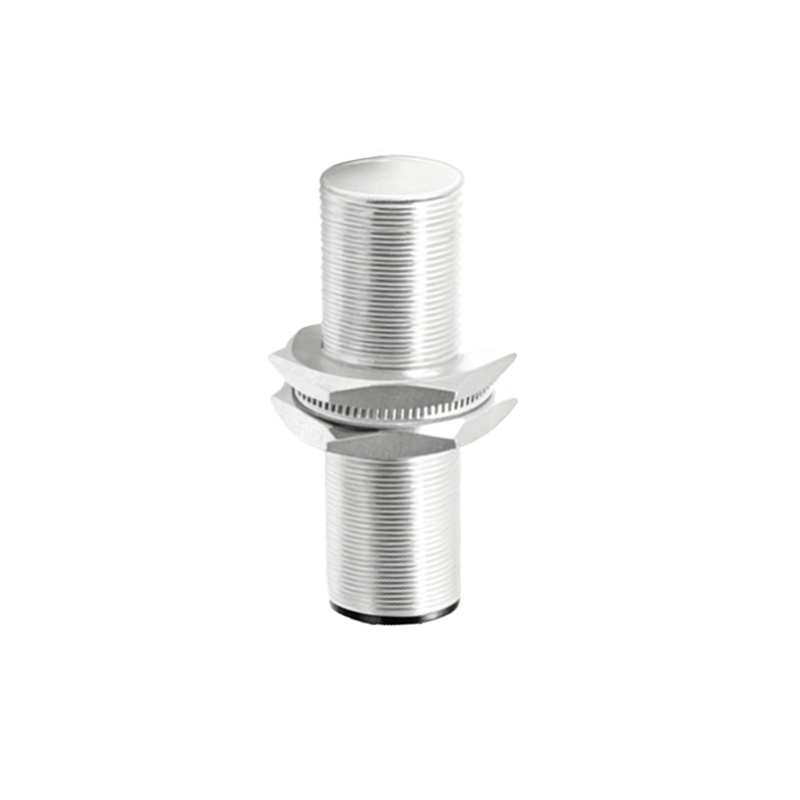
Durability defines a true industry leader. Industrial environments are harsh, featuring extreme temperatures, humidity, oil, dust, and mechanical vibrations. A "giant" caliber sensor is housed in a rugged, often stainless-steel or nickel-plated brass body, with ingress protection ratings like IP67 or IP69K, making it resistant to water and dust. Its internal electronics are designed to withstand electrical noise and voltage fluctuations common in factory settings, ensuring uninterrupted operation.
The evolution towards Industry 4.0 and the Internet of Things (IoT) has further elevated the requirements. Modern superior proximity sensors are not just binary switches. They are intelligent devices that can provide diagnostic data, such as health status, temperature readings, or even preliminary distance analog values. This facilitates predictive maintenance, where potential failures are identified before they cause a stoppage, maximizing overall equipment effectiveness (OEE).
Choosing the right technology is crucial. Inductive sensors excel in detecting metallic objects and are the workhorses of metalworking industries. Capacitive sensors are versatile, detecting almost any material and are ideal for level detection in tanks. Ultrasonic sensors use sound waves for longer ranges and are unaffected by color or transparency. Photoelectric sensors, using light beams, offer very long ranges and precise detection. A leading provider doesn't just offer one type; it provides a comprehensive portfolio, enabling the perfect match for every unique application, from detecting a tiny component on a circuit board to monitoring the position of a massive crane.
Furthermore, ease of integration and global support are hallmarks of excellence. The best sensors feature standardized form factors (like cylindrical M8, M12, or M18 threads) and connection systems (e.g., M12 connectors), simplifying installation and replacement. They come with clear, multi-language documentation and are backed by a global technical support and distribution network, ensuring help is available wherever production happens.
In conclusion, the quest for the proximity sensor "giant" is a pursuit of unparalleled performance, resilience, and intelligence. It is about selecting a component that operates flawlessly in the background, providing the critical data that keeps systems safe, efficient, and productive. This level of "巨佳" quality is not an accident but the result of relentless focus on innovation, quality control, and a customer-centric approach to solving real-world sensing challenges. As automation deepens its reach, the role of these superior sensing solutions will only become more central, acting as the fundamental sensory organs of the modern industrial world.