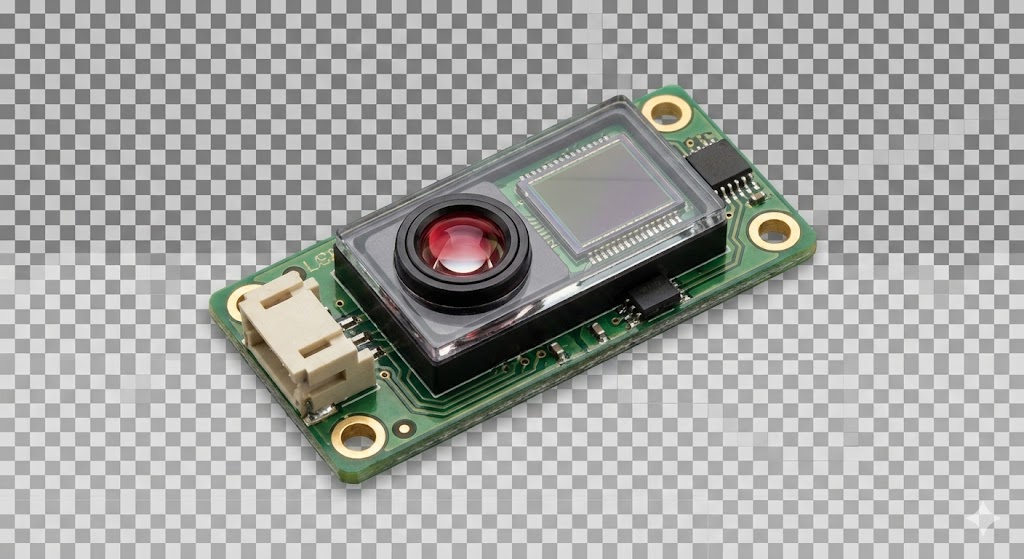
Methane gas detection remains a critical aspect of safety management in underground mining operations. The advent of laser methane sensor technology has introduced a transformative approach to monitoring hazardous gas concentrations with unprecedented accuracy and reliability. Unlike traditional catalytic bead or infrared sensors, laser-based detectors utilize tunable diode laser absorption spectroscopy (TDLAS) to measure methane levels. This method involves emitting a laser beam at a specific wavelength that methane molecules absorb. By analyzing the absorption characteristics, the sensor can precisely quantify methane concentration, even in challenging environments with dust, humidity, or other interfering gases.
The core advantage of laser methane sensors lies in their selectivity and stability. They are less prone to poisoning or drift compared to conventional sensors, which often require frequent calibration and can be affected by contaminants like silicones or hydrogen sulfide. In mining applications, this reliability translates to enhanced early warning capabilities, allowing for timely evacuation or ventilation adjustments before methane reaches explosive levels (typically between 5% and 15% volume in air). Moreover, these sensors support remote monitoring through integrated data transmission systems, enabling real-time oversight from surface control rooms.

Installation and maintenance considerations are pivotal for optimal performance. Sensors should be strategically placed in areas prone to methane accumulation, such as near roof cavities, longwall faces, or ventilation returns. Regular functional checks, though less frequent than with older technologies, are still necessary to ensure laser integrity and alignment. Many modern units feature self-diagnostic functions that alert operators to potential issues like lens contamination or laser degradation.
Case studies from coal mines in regions like Australia and the United States demonstrate significant reductions in methane-related incidents following the adoption of laser sensors. These devices have also facilitated compliance with stringent safety regulations, such as those enforced by the Mine Safety and Health Administration (MSHA). By providing continuous, accurate data, they help mines not only protect workers but also optimize ventilation systems, thereby reducing energy costs associated with excessive airflow.

Looking ahead, ongoing research aims to enhance sensor miniaturization and power efficiency, potentially enabling integration into wearable personal detectors or autonomous drones for inaccessible areas. The convergence of laser sensing with Internet of Things (IoT) platforms promises even smarter safety networks, where data analytics can predict methane emission patterns based on geological and operational parameters.
In conclusion, laser methane sensors represent a significant leap forward in mining safety technology. Their precision, durability, and adaptability make them indispensable tools for mitigating explosion risks in an industry where gas hazards are ever-present. As technology evolves, these sensors will continue to play a central role in fostering safer, more efficient mining environments worldwide.