In the demanding world of industrial automation and condition monitoring, laser tachometers (also known as laser tach sensors or photo-tachometers) are prized for their non-contact, high-precision measurement capabilities. They are essential for monitoring rotational speed, ensuring process control, and performing predictive maintenance on machinery ranging from turbines to conveyor systems. However, like all precision electro-optical instruments, laser tachometers are subject to aging and performance degradation over time. Understanding the mechanisms, symptoms, and mitigation strategies for this aging is crucial for maintaining measurement integrity and system reliability.
The core principle of a laser tachometer involves emitting a focused beam of coherent light (typically from a laser diode) onto a rotating target. A reflective marker or a pattern on the target reflects the light back to a photodetector within the sensor. The detector converts these light pulses into electrical signals, which are then processed to calculate rotational speed. Aging affects multiple components within this chain.
Primary aging factors begin with the laser diode itself. The semiconductor material within the laser diode degrades over thousands of operating hours. This degradation manifests as a gradual decrease in optical output power, a phenomenon known as "laser diode droop." A weaker laser beam reduces the signal-to-noise ratio, making the sensor more susceptible to ambient light interference and potentially failing to detect reflections from distant or poorly reflective surfaces. Concurrently, the photodetector, often a photodiode or phototransistor, can experience a reduction in sensitivity. Prolonged exposure to intense light, even its own reflected beam under certain conditions, can cause photonic damage or a shift in its response characteristics.
The optical components are another critical point of failure. The lenses and windows that collimate the laser beam and collect the reflected light can accumulate contamination from the industrial environment—dust, oil mist, and chemical vapors. While some sensors are rated IP67 or higher, microscopic deposits can still form over years. More insidiously, the lens coatings and even the substrate material can undergo gradual clouding or "fogging" due to chemical attack or UV exposure, scattering light and attenuating the signal. Internal electronic components, such as signal amplifiers and filters on the sensor's PCB, are also subject to standard electronic aging. Thermal cycling from continuous operation can lead to solder joint fatigue, while capacitors can drift in value, affecting signal conditioning.
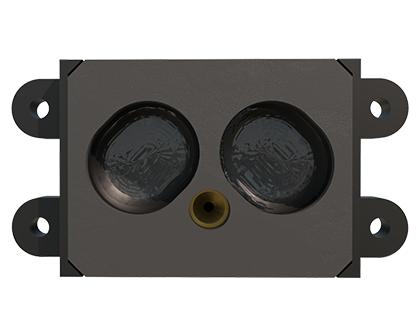
The symptoms of an aging laser tachometer are often subtle at first. Operators may notice an increase in sporadic reading errors or complete signal dropouts, especially at longer measurement distances that were previously reliable. The system may require more frequent recalibration or adjustments to sensitivity thresholds. Inconsistent readings under varying ambient light conditions are a strong indicator. In severe cases, the sensor may fail to achieve a stable lock on the target altogether, rendering it inoperative.
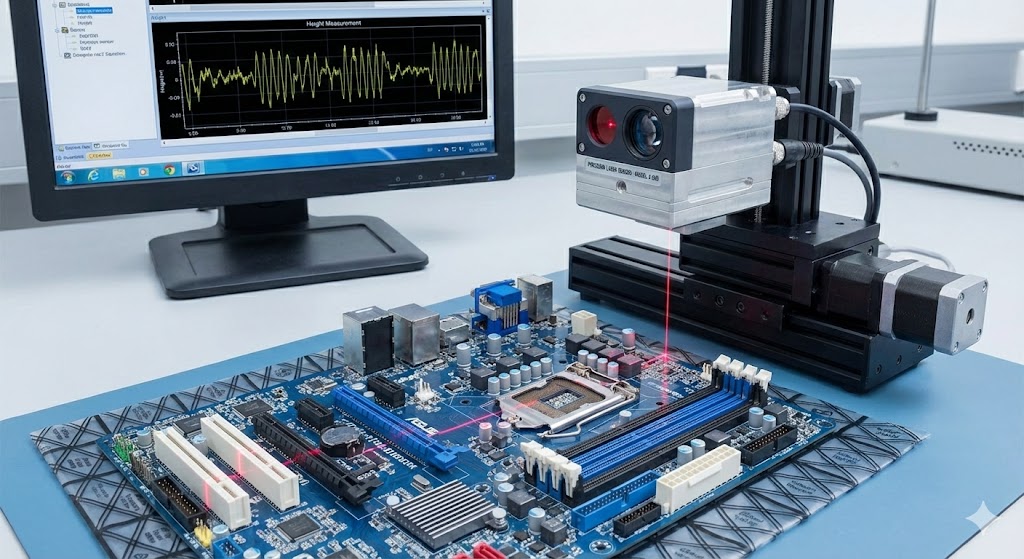
Proactive maintenance and monitoring are key to managing sensor aging. Implementing a regular calibration schedule against a master tachometer is fundamental. Trend analysis of the sensor's output signal strength or required gain settings over time can provide early warning of laser diode or detector decline. Physically, maintaining lens cleanliness with approved cleaning procedures is essential. From a design and application standpoint, selecting a sensor with a robust housing rating suitable for the specific environment (considering temperature, contaminants, and vibration) extends service life. Operating the sensor well within its specified distance and reflectance limits reduces stress on its components.
Finally, understanding the typical operational lifespan specified by the manufacturer is important. While many industrial-grade laser tachometers are designed for long-term use, planning for eventual replacement is part of a robust asset management strategy. In critical applications, considering redundant sensor setups or scheduled replacement before end-of-life failure can prevent costly unplanned downtime.
In conclusion, the aging of laser tachometers is an inevitable process governed by semiconductor physics, material science, and harsh operational environments. It is not a sudden failure but a gradual decline. By recognizing the degradation mechanisms—laser diode output decay, detector sensitivity loss, optical fouling, and electronic component drift—maintenance engineers can transition from reactive repairs to predictive upkeep. This informed approach ensures that these vital sensors continue to deliver the accurate, reliable data necessary for efficient and safe industrial operations throughout their service life.