In the realm of industrial automation and electrical engineering, proximity sensors are indispensable components, providing non-contact detection of metallic or non-metallic objects. To ensure their optimal performance, accuracy, and longevity, a dedicated Proximity Sensor Calibration Bench is an essential tool for any serious engineering workshop or quality control department. This article delves into the functionality, setup, and best practices for utilizing such a calibration bench, tailored for electrical engineers and technicians.
A proximity sensor calibration bench is a specialized workstation designed to test, calibrate, and validate the operational parameters of various proximity sensors, including inductive, capacitive, and ultrasonic types. The primary objective is to simulate real-world conditions in a controlled environment, allowing for precise adjustment of sensing distance, response time, and output signal integrity. A standard bench typically comprises several key components: a stable, vibration-isolated platform; a precision linear actuator or sliding mechanism with a micrometer scale for accurate distance measurement; a target set made of different materials (e.g., steel, aluminum, plastic) to test sensor specificity; a programmable logic controller (PLC) or dedicated calibration unit for signal processing; and a display interface showing real-time data such as switching points, hysteresis, and output voltage/current.
The calibration process begins with mounting the sensor securely on the bench's fixture. Engineers must ensure the sensor is aligned perpendicularly to the target surface to avoid angular errors. Using the linear actuator, the target is moved slowly toward the sensor until the output switches state (e.g., from OFF to ON). The exact distance at which this occurs is recorded as the "operating point." The target is then retracted until the sensor switches back, noting the "release point." The difference between these two points is the sensor's hysteresis, a critical parameter for stability in applications requiring precise positioning. For inductive sensors, the target material and size must match the sensor's specifications, as factors like material conductivity and thickness significantly affect sensing range. Capacitive sensors, used for non-metallic objects, require testing with materials of varying dielectric constants.
Advanced calibration benches integrate software for automated testing sequences, generating calibration certificates and performance graphs. These systems can store profiles for different sensor models, streamlining repetitive tasks. When calibrating, engineers should account for environmental factors such as ambient temperature and electrical noise, which can influence sensor behavior. It is advisable to perform calibrations in a lab-like setting with stable conditions. Regular maintenance of the bench—including cleaning of mechanical parts, verification of scale accuracy, and calibration of the PLC's input modules—is crucial to maintain traceability and compliance with industry standards like IEC 60947-5-2.

In practice, a well-calibrated proximity sensor enhances system reliability in applications ranging from conveyor belt object detection to robotic arm positioning. Common issues during calibration include inconsistent switching due to sensor wear, electrical interference, or improper mounting. Troubleshooting involves checking wiring connections, verifying power supply stability, and inspecting the sensor face for contamination. For new sensor designs, the bench facilitates R&D by allowing engineers to characterize prototype performance under varied conditions.
Ultimately, investing in a high-quality proximity sensor calibration bench pays dividends by reducing downtime, improving product quality, and ensuring safety in automated systems. Engineers should prioritize benches with modular designs, allowing upgrades for future sensor technologies. Training personnel on proper calibration protocols is equally important to avoid human error. As Industry 4.0 advances, integration of these benches with IoT platforms for remote monitoring and data analytics is becoming a trend, enabling predictive maintenance and enhanced lifecycle management of sensor fleets.
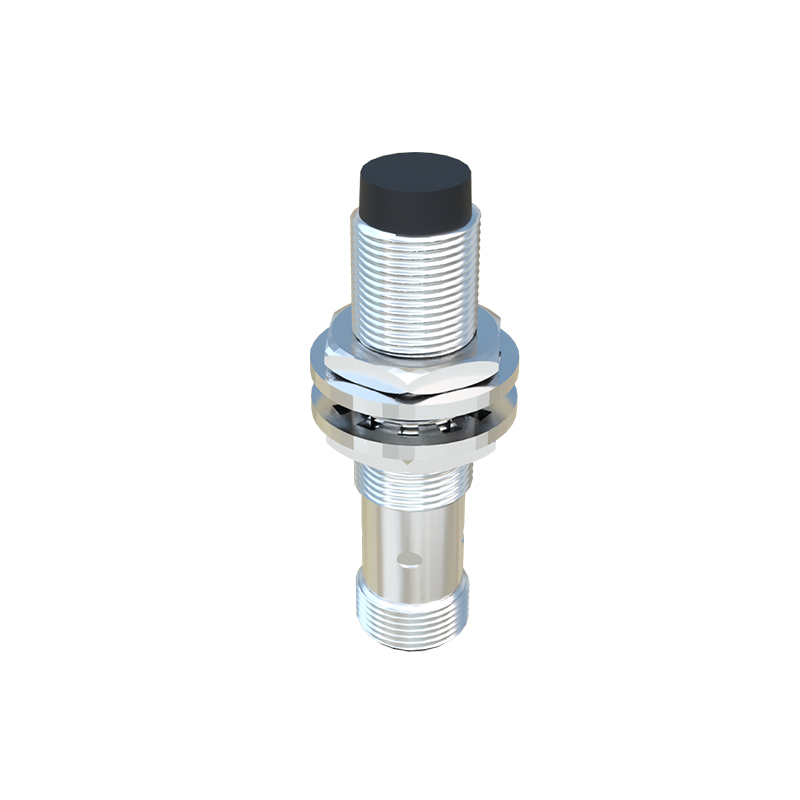
By mastering the use of a calibration bench, electrical professionals can guarantee that proximity sensors perform reliably, meeting the stringent demands of modern industrial applications while adhering to technical specifications and safety regulations.