Laser methane sensors represent a significant technological leap in gas detection, offering unparalleled precision, reliability, and safety for industrial applications. Unlike traditional catalytic bead or electrochemical sensors, these devices utilize Tunable Diode Laser Absorption Spectroscopy (TDLAS). The core principle involves emitting a laser beam at a specific wavelength that is selectively absorbed by methane molecules. By measuring the degree of absorption as the light passes through the target gas, the sensor can calculate the exact methane concentration with high accuracy and minimal interference from other gases.
The operational advantages of laser methane detectors are substantial. They provide real-time, continuous monitoring with a rapid response time, often in milliseconds. Their non-contact measurement capability allows for detection over distances, enabling remote sensing in hard-to-reach or hazardous areas. A key benefit is their exceptional selectivity for methane, virtually eliminating false alarms caused by other hydrocarbons or environmental factors. Furthermore, they require minimal maintenance as they have no consumable parts and are not subject to "poisoning" or saturation like traditional sensors, leading to lower total cost of ownership.

In the energy sector, particularly in oil and gas, these sensors are indispensable. They are deployed for upstream leak detection along pipelines, at wellheads, and within processing facilities. Continuous monitoring at compressor stations and storage terminals prevents fugitive emissions, ensuring regulatory compliance and enhancing environmental stewardship. In coal mining, laser sensors provide a critical early warning for methane accumulation, directly contributing to miner safety by preventing explosive conditions. The utility industry relies on them for surveying natural gas distribution networks, pinpointing leaks in urban infrastructures with high spatial resolution.
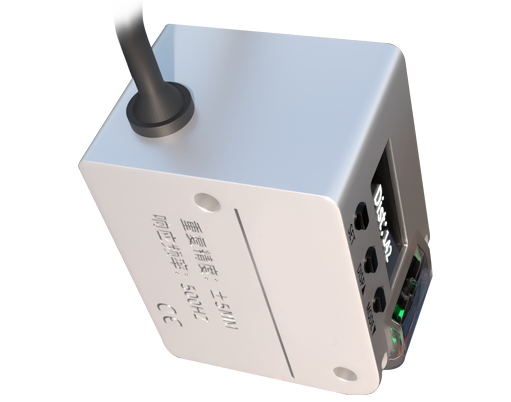
Recent industry advancements focus on enhancing portability, connectivity, and data intelligence. Modern handheld laser detectors are now commonplace for field surveys, while fixed systems integrate seamlessly with Industrial Internet of Things (IIoT) platforms. This integration enables predictive analytics, where sensor data feeds into centralized control systems to model leak dispersion, predict potential failure points, and automate safety protocols. The development of open-path lasers allows for monitoring vast perimeters of facilities, creating an invisible security fence against gas encroachment.
Looking forward, the evolution of laser methane sensing is geared towards miniaturization and cost reduction through advancements in laser diode and photodetector technology. The integration of artificial intelligence for pattern recognition in gas cloud imaging and the development of drone-mounted sensors for autonomous aerial inspections are set to redefine monitoring paradigms. As global emphasis on methane reduction intensifies due to climate agreements, the role of precise, reliable laser-based detection will only become more central to industrial safety, operational efficiency, and environmental protection strategies across the globe.
