Proximity sensors are indispensable components in modern industrial automation, providing non-contact detection of objects within a specific range. These devices enhance efficiency, safety, and reliability in various applications, from manufacturing lines to robotics. This article explores the primary types of local proximity sensors, their operating principles, and key considerations for selection.
The most common type is the inductive proximity sensor, which detects metallic objects without physical contact. It generates an electromagnetic field and triggers a signal when a metal object enters its sensing range. These sensors are robust, resistant to environmental factors like dust or moisture, and ideal for detecting ferrous and non-ferrous metals in machinery.
Capacitive proximity sensors, on the other hand, can detect both metallic and non-metallic materials, including liquids, plastics, and wood. They operate by measuring changes in capacitance when an object enters their electrostatic field. This versatility makes them suitable for level detection, material handling, and packaging industries.
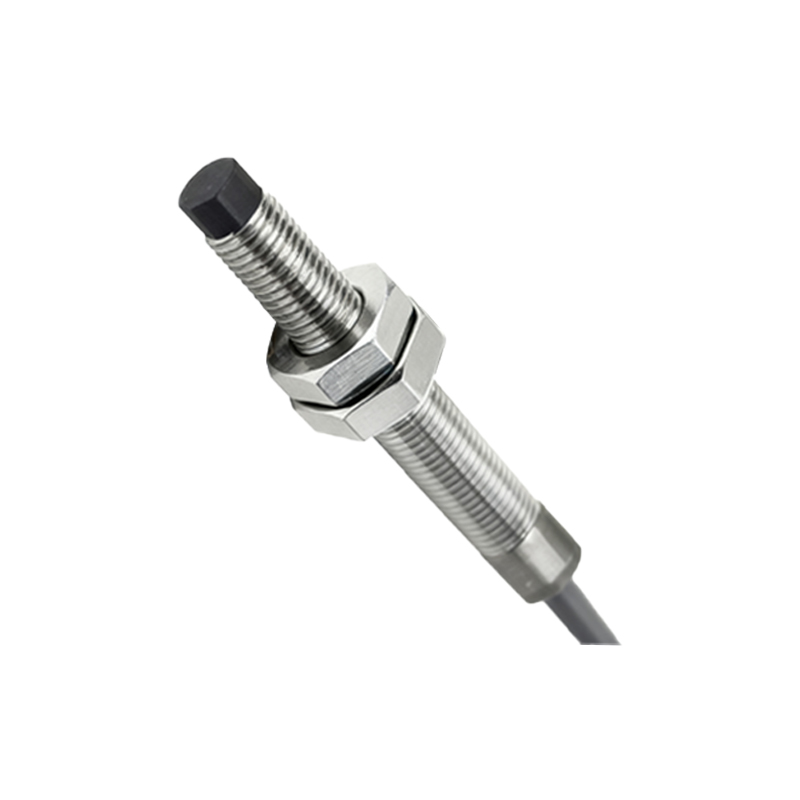
Ultrasonic proximity sensors use sound waves to detect objects, regardless of their material composition. They emit high-frequency ultrasonic pulses and measure the time taken for echoes to return. These sensors excel in challenging environments with dust, smoke, or varying light conditions, commonly used in distance measurement and object positioning.
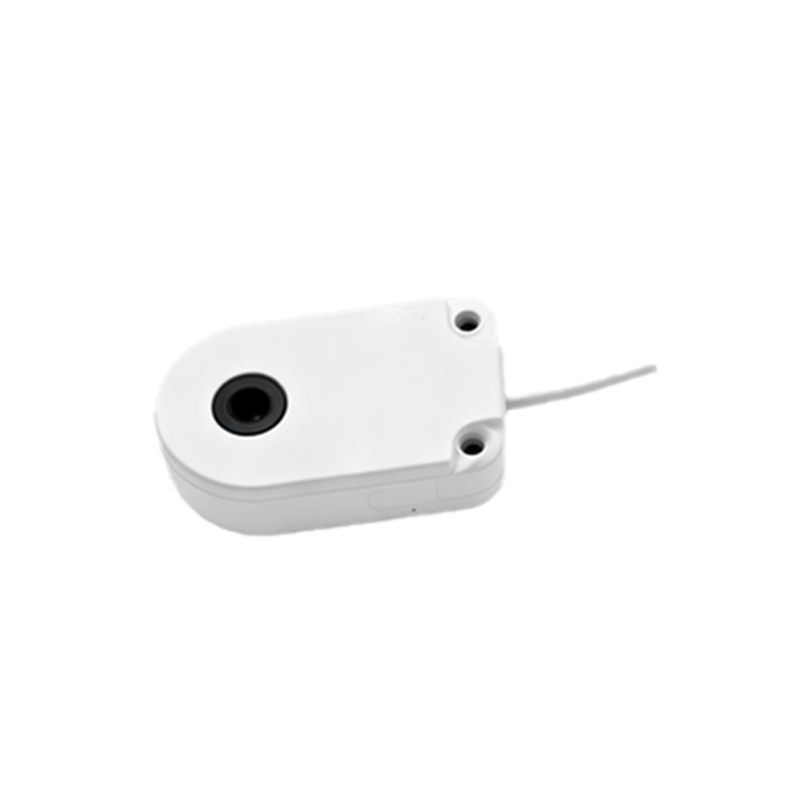
Magnetic proximity sensors rely on magnetic fields to detect permanent magnets or ferromagnetic materials. They are simple, cost-effective, and often employed in safety applications, such as door position sensing or cylinder position detection in hydraulic systems.
Photoelectric proximity sensors utilize light beams (infrared or laser) to detect objects. They offer long sensing ranges and high precision, making them perfect for transparent or reflective material detection in conveyor systems and automated assembly lines.
When selecting a proximity sensor, factors like sensing range, environmental conditions, response time, and output type (e.g., NPN/PNP) must be considered. Proper installation and maintenance ensure optimal performance and longevity. As Industry 4.0 advances, smart proximity sensors with IoT connectivity are emerging, enabling predictive maintenance and real-time data analytics.
In summary, understanding the diverse types of local proximity sensors empowers engineers to choose the right solution for specific industrial needs, driving innovation and operational excellence.