In modern industrial automation, laser sensors play a critical role in precision measurement, object detection, and quality control. However, their sensitive optical and electronic components are perpetually exposed to harsh environmental factors that can degrade performance and lead to premature failure. This is where the specialized domain of laser sensor protection enclosures becomes paramount for system reliability and longevity. An engineer's selection and specification of these enclosures are not merely about housing a device; they are a fundamental exercise in risk mitigation and operational assurance.
The primary threats to laser sensors in industrial settings are multifaceted. Particulate contamination, including dust, metal shavings, and abrasive powders, can coat lenses and windows, scattering or attenuating the laser beam, leading to inaccurate readings or complete signal loss. Liquids, such as coolants, oils, and water from washdown procedures (common in food & beverage or pharmaceutical industries), pose risks of short-circuiting electronics and causing internal corrosion. Mechanical impact from moving machinery, falling objects, or incidental contact during maintenance can misalign sensitive optics or crack housings. Furthermore, extreme temperatures, both high and low, can affect sensor calibration and electronic stability, while chemical vapors can etch or fog optical surfaces.
A well-engineered protection enclosure addresses these threats through a combination of material science, mechanical design, and sealing technology. The choice of material is the first critical decision. Polycarbonate is favored for its excellent impact resistance and clarity, allowing for visual inspection of the sensor status. For environments with exposure to aggressive chemicals or high temperatures, engineered polymers like PVDF (Polyvinylidene fluoride) or metals such as powder-coated steel or stainless steel (often grade 304 or 316 for corrosion resistance) are specified. The enclosure design must incorporate a sealed window made of a material compatible with the laser's wavelength. For many industrial lasers, optical-grade glass or acrylic with specific anti-reflective coatings is used to ensure maximum transmission of the beam with minimal signal loss.
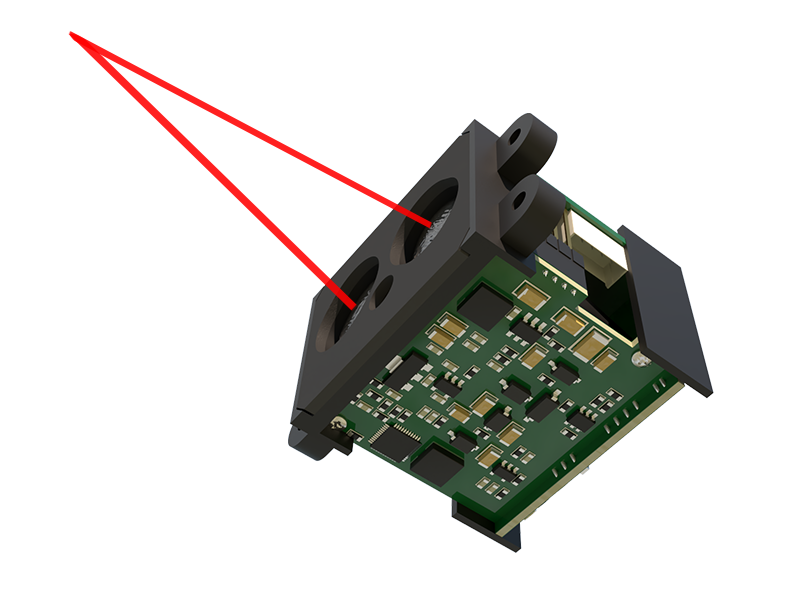
The sealing system is the heart of protection against ingress. The international Ingress Protection (IP) rating, such as IP67 or IP69K, provides a standardized benchmark. An IP67-rated enclosure offers complete protection against dust ingress and can withstand temporary immersion in water, suitable for most indoor industrial areas. IP69K signifies protection against high-pressure, high-temperature washdowns, a necessity in sterile environments. Seals are typically made from elastomers like silicone or fluorosilicone, chosen for their resilience across a wide temperature range and resistance to degradation. The design of the seal groove, the compression force from the fasteners, and the surface finish of the mating flanges are all critical engineering details that ensure a long-lasting seal.
Beyond basic protection, functional design considerations are essential. Engineers must account for thermal management. A fully sealed enclosure can trap heat generated by the sensor's electronics. For high-power sensors or hot environments, enclosures may incorporate passive cooling fins, thermally conductive materials, or even active cooling systems. Cable entry points require secure, sealed gland systems to maintain the overall IP rating. Mounting options must be robust and versatile, allowing for secure attachment to machinery frames or robotic arms, often involving vibration-damping elements to protect against high-frequency shocks. Accessibility for maintenance, calibration, or lens cleaning is another key factor, often addressed via hinged doors or easily removable covers without compromising the seal integrity.
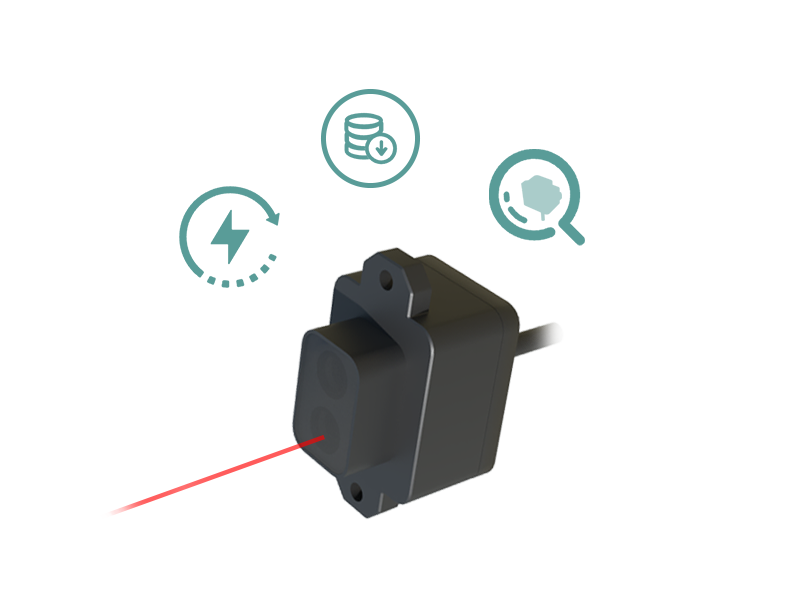
The integration process involves careful planning. The enclosure must not interfere with the sensor's field of view or measurement path. Baffles or shrouds are sometimes integrated to block ambient light interference for certain photoelectric sensors. For sensors that require periodic calibration or have adjustable focus, the enclosure design must provide external access to adjustment screws or incorporate a calibration port that can be sealed after service. It is also prudent to consider future-proofing; selecting a slightly larger enclosure or one with modular accessories can accommodate sensor upgrades or additional wiring.
In conclusion, specifying a laser sensor protection enclosure is a systems engineering task that directly impacts total cost of ownership. A poorly chosen enclosure leads to increased downtime, frequent sensor replacements, and unreliable data. Conversely, a correctly specified enclosure, matched precisely to the environmental challenges and operational demands, extends sensor life, ensures measurement consistency, and safeguards production quality. For the professional engineer, a deep understanding of these enclosures—from material properties and IP codes to thermal dynamics and mechanical integration—is not an accessory knowledge but a core competency in designing resilient and efficient industrial automation systems.