In the realm of industrial monitoring and control, precision in moisture detection is paramount for ensuring product quality, operational safety, and process efficiency. Traditional moisture sensors, such as capacitive or resistive types, often face limitations in accuracy, response time, and durability in harsh environments. Enter laser micro-moisture sensors—a cutting-edge technology that leverages laser absorption spectroscopy to deliver unparalleled performance in moisture measurement. This article delves into the principles, advancements, and applications of these sophisticated devices, tailored for electrical and industrial engineering professionals.
At its core, a laser micro-moisture sensor operates on the principle of tunable diode laser absorption spectroscopy (TDLAS). This technique involves directing a laser beam through a gas sample containing water vapor. The laser wavelength is precisely tuned to match an absorption line of water molecules. As the light passes through the sample, water vapor absorbs specific wavelengths, attenuating the laser intensity. By measuring this attenuation, the sensor calculates moisture concentration with high accuracy. Unlike conventional methods, TDLAS is highly selective, minimizing interference from other gases, and offers rapid response times—often in milliseconds. This makes it ideal for real-time monitoring in dynamic industrial processes.
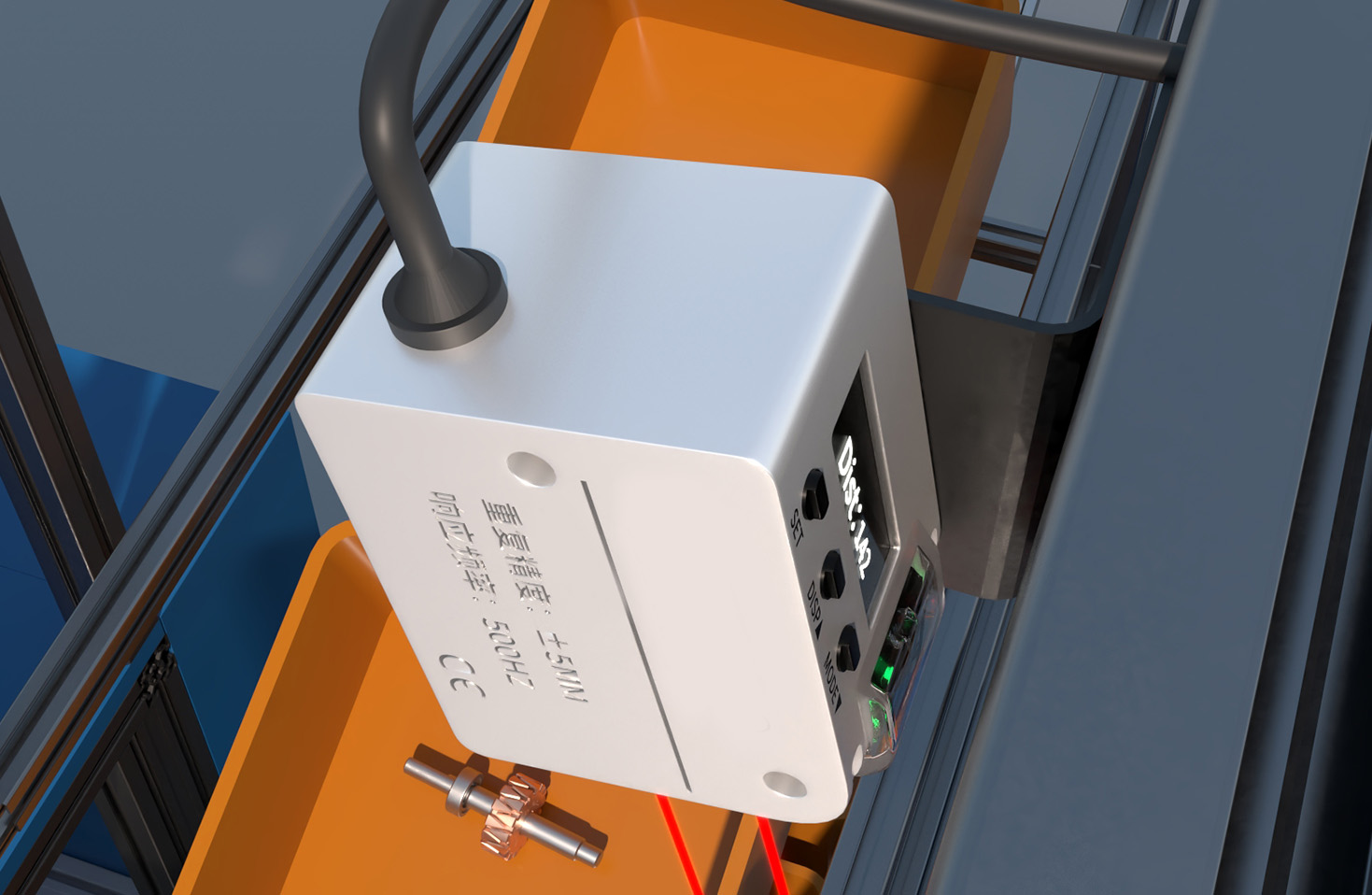
Recent advancements in laser technology and photonics have propelled micro-moisture sensors to new heights. Key innovations include the development of compact, robust laser diodes that operate in the near-infrared spectrum, enhancing sensitivity and stability. Additionally, integrated photodetectors and advanced signal processing algorithms enable these sensors to detect moisture levels as low as parts per billion (ppb), even in high-temperature or high-pressure conditions. For instance, in power generation, laser sensors are deployed to monitor moisture in transformer oils and insulating gases, preventing equipment failure and downtime. Their non-invasive nature allows for continuous, in-situ measurements without disrupting operations.
The applications of laser micro-moisture sensors span diverse industrial sectors. In the electrical industry, they are critical for maintaining the integrity of high-voltage equipment. Excessive moisture in gas-insulated switchgear (GIS) or transformers can lead to corrosion, reduced dielectric strength, and catastrophic failures. Laser sensors provide early warning by detecting minute moisture ingress, enabling proactive maintenance. Similarly, in semiconductor manufacturing, even trace moisture can compromise chip quality; laser sensors ensure ultra-dry environments in cleanrooms and production lines. Other sectors benefiting include pharmaceuticals, where moisture control is vital for product stability, and aerospace, for monitoring fuel systems and cabin air quality.
Despite their advantages, challenges remain in the widespread adoption of laser micro-moisture sensors. Cost is a primary consideration, as these devices involve sophisticated components like tunable lasers and high-precision optics. However, as manufacturing scales and technology matures, prices are gradually decreasing. Calibration and maintenance also require expertise, but many modern sensors feature self-diagnostic capabilities and user-friendly interfaces. Looking ahead, trends point toward miniaturization and IoT integration. Future sensors may incorporate wireless connectivity and AI-driven analytics, allowing for predictive maintenance and seamless integration into smart factory ecosystems.
In conclusion, laser micro-moisture sensors represent a significant leap forward in industrial moisture detection. Their precision, speed, and reliability make them indispensable for modern engineering applications. As industries continue to prioritize efficiency and safety, investing in such advanced sensing technologies will be crucial. Engineers and technicians are encouraged to explore these tools to optimize processes and mitigate risks, driving innovation in the electrical and broader industrial landscape.