In the realm of industrial automation and precision measurement, laser red light sensors stand as a cornerstone technology. Their ability to deliver high-accuracy, non-contact detection makes them indispensable across a multitude of applications. This guide delves into the operational principles, key advantages, diverse applications, and critical considerations for sourcing these components, particularly through direct or self-operated supply channels.
At its core, a laser red light sensor operates by emitting a focused beam of visible red laser light—typically with a wavelength around 650nm. This coherent light source is directed towards a target. The sensor then detects the interaction of this beam with the target, which can be based on several principles. The most common are through-beam, retro-reflective, and diffuse reflective modes. In through-beam (or opposed) mode, the emitter and receiver are separate units. Detection occurs when the target breaks the beam between them, offering the longest sensing ranges and highest reliability. Retro-reflective mode uses a single housing containing both emitter and receiver, along with a reflector. The sensor detects the target when it interrupts the beam reflected back from the reflector. Diffuse reflective (or proximity) mode is the most compact, with both emitter and receiver in one unit. It detects the target by measuring the light scattered back from the target itself, with sensing distance heavily dependent on the target's color, texture, and reflectivity.
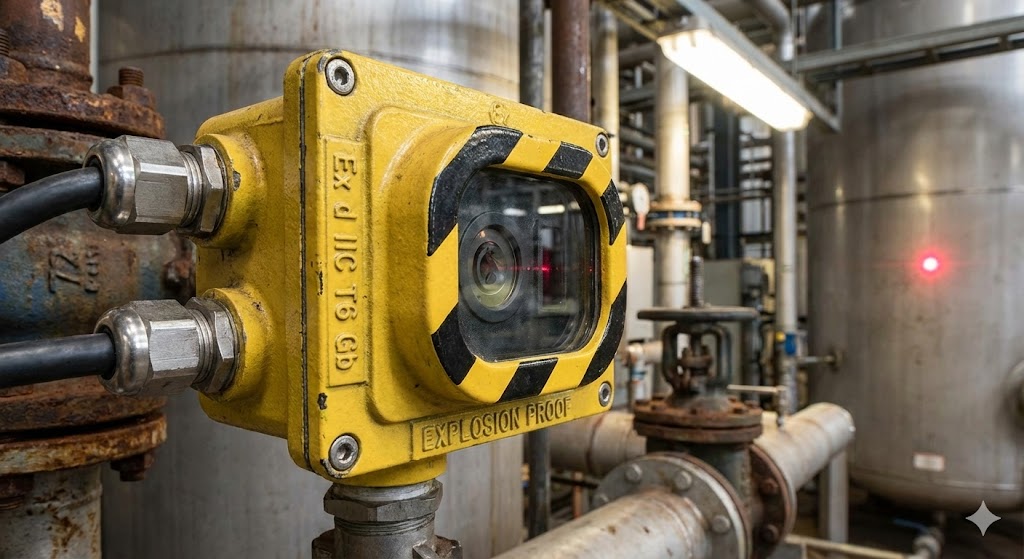
The advantages of using laser red light sensors are numerous. Their visible beam allows for easy alignment and setup, a significant practical benefit on the factory floor. They offer exceptional precision, capable of detecting minute objects or precise edges, often with resolutions in the micrometer range. The focused beam provides a small, precise spot size, enabling detection of very small parts and reducing interference from background objects. Furthermore, their response time is extremely fast, suitable for high-speed production lines. Compared to other optical sensors, the red laser's performance is less affected by ambient light, ensuring stable operation in various lighting conditions.
The applications for these sensors are vast and varied. In electronics manufacturing, they are used for wafer positioning, component presence verification, and lead frame inspection. In packaging and material handling, they detect transparent films, count products on high-speed conveyors, and control fill levels. The automotive industry relies on them for robot guidance, part positioning in assembly, and quality control checks. They are also pivotal in precision machinery for edge detection, width measurement, and controlling automated cutting or welding processes.
When it comes to procurement, sourcing laser red light sensors through a self-operated or direct supply model presents distinct benefits. This approach typically involves purchasing directly from a manufacturer's dedicated sales division or an authorized exclusive distributor that operates its own inventory and logistics. The primary advantage is supply chain control and transparency. It mitigates risks associated with counterfeit components, which are a serious concern in critical industrial applications. Buyers gain access to guaranteed genuine products with full traceability and manufacturer warranties.
Technical support is another significant benefit. Direct channels often provide direct access to application engineers who possess in-depth product knowledge. This facilitates better product selection, customization options for specific needs (like special cables, connectors, or mounting brackets), and faster resolution of technical issues. Pricing can also be more stable and potentially more competitive, as it eliminates intermediary markups. Furthermore, inventory management becomes more predictable. Many self-operated suppliers offer vendor-managed inventory (VMI) programs or guaranteed stock for high-volume users, ensuring production continuity and reducing the risk of line stoppages due to component shortages.
However, successful sourcing requires due diligence. It is crucial to verify the supplier's authorization status directly with the sensor manufacturer. Key specifications must be meticulously matched to the application: sensing distance, spot size, output type (PNP/NPN, analog, IO-Link), response time, and environmental ratings (IP67, IP69K for washdown areas). The mechanical design, including housing material (often stainless steel for robustness) and connection type (M8 or M12 connectors are industry standards), must suit the installation environment. For international operations, ensuring the supplier can handle logistics, provide necessary certifications (CE, RoHS, UL), and offer local currency billing and support is essential.
In conclusion, laser red light sensors are powerful tools for enabling automation and ensuring quality. Understanding their technology and applications is the first step. The second, equally critical step is establishing a reliable and efficient supply chain. Partnering with a reputable, self-operated supplier provides control, quality assurance, and expert support, forming a solid foundation for integrating this precise sensing technology into any industrial operation. This strategic approach to sourcing not only secures the necessary components but also contributes to long-term operational reliability and efficiency.