Automotive proximity sensors are integral components in modern vehicles, enhancing safety, convenience, and automation. These sensors detect the presence or absence of objects near a vehicle without physical contact, relying on various technologies such as ultrasonic, electromagnetic, capacitive, and optical systems. Understanding their working principles provides insight into how advanced driver-assistance systems (ADAS) and automated features operate seamlessly.
Ultrasonic sensors, commonly used for parking assistance, emit high-frequency sound waves (typically 40-70 kHz) that reflect off nearby objects. The sensor calculates the distance based on the time delay between emission and reception of the echo. This data is processed by the vehicle's control unit to alert the driver or trigger automatic braking. Electromagnetic sensors, including inductive and eddy-current types, generate magnetic fields to detect metallic objects. They are often employed in anti-collision systems and automated door mechanisms, responding to changes in magnetic flux caused by approaching metal.
Capacitive proximity sensors measure changes in capacitance when an object enters an electric field. Suitable for detecting both metallic and non-metallic materials, they are used in touch-sensitive controls and occupancy sensing for seats. Optical sensors, such as infrared or LiDAR, use light beams to identify obstacles. Infrared sensors are cost-effective for short-range applications like gesture recognition, while LiDAR offers high-resolution 3D mapping for autonomous driving by emitting laser pulses and analyzing reflected light.
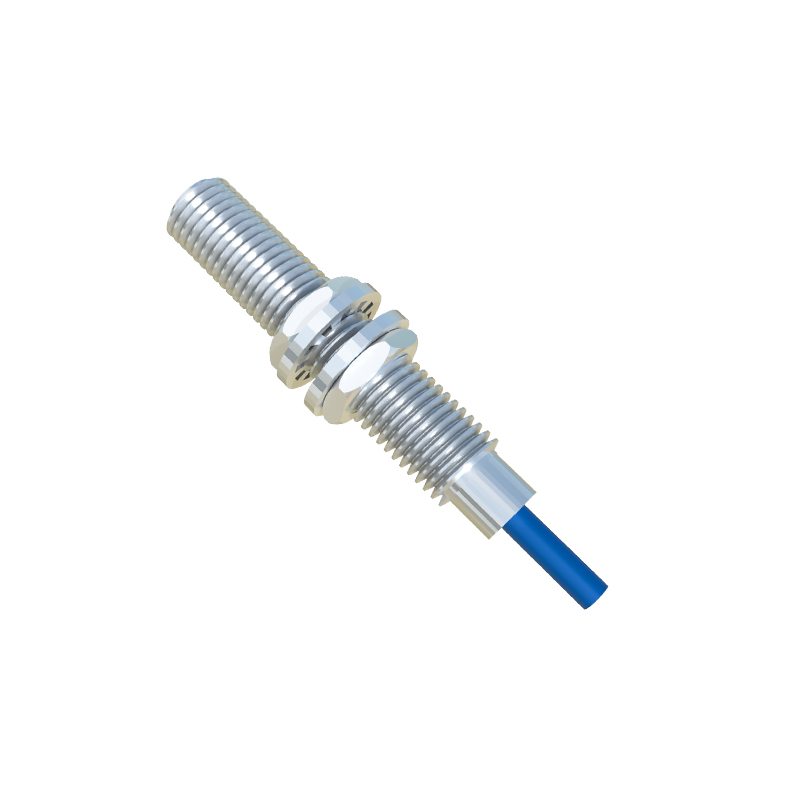
The core operation involves signal generation, transmission, reception, and processing. A microcontroller or dedicated circuit manages these stages, converting raw data into actionable information. For instance, in adaptive cruise control, radar-based proximity sensors monitor the distance to preceding vehicles, adjusting speed automatically to maintain a safe gap. Environmental factors like weather, temperature, and interference can affect accuracy, leading to innovations in filtering algorithms and multi-sensor fusion for reliability.
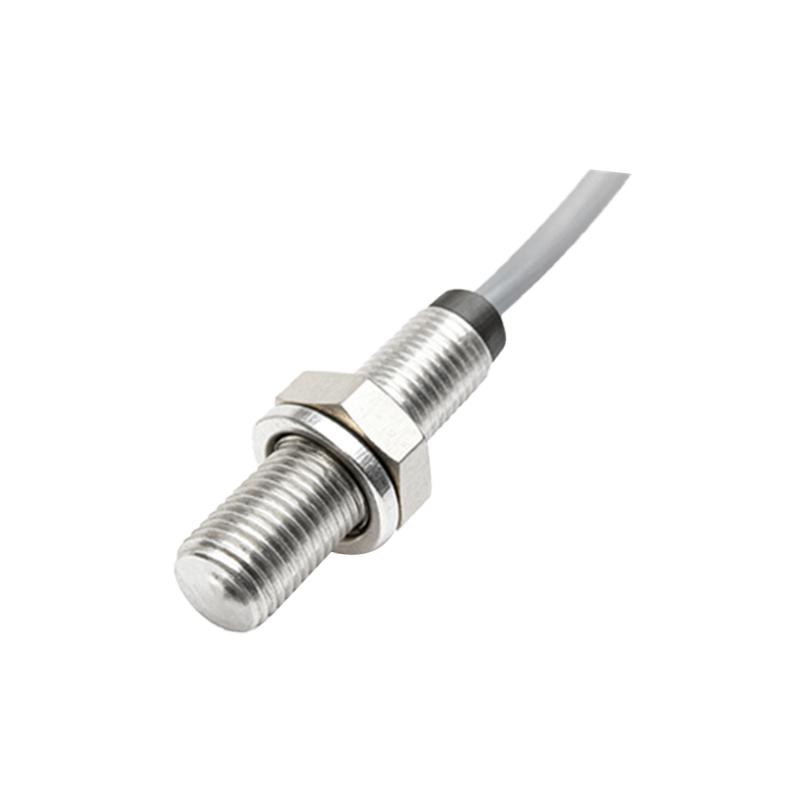
Applications extend beyond safety to convenience features. Hands-free trunk opening uses sensors to detect foot movements, while blind-spot monitoring alerts drivers to unseen vehicles. In electric vehicles, proximity sensors facilitate wireless charging alignment by guiding positioning. As automotive technology evolves, these sensors are becoming smaller, more energy-efficient, and integrated with AI for predictive analytics. Future trends include enhanced sensor fusion for fully autonomous systems and improved materials for durability in harsh conditions.
In summary, automotive proximity sensors rely on diverse physical principles to enable real-time object detection. Their seamless integration into vehicle ecosystems underscores their importance in advancing automotive innovation, from basic parking aids to complex self-driving capabilities. By minimizing human error and enhancing interaction, they pave the way for smarter, safer transportation.