Proximity sensors are essential components in modern industrial automation, providing non-contact detection of metallic or non-metallic objects. One of the most critical parameters to consider when selecting or implementing these sensors is their operating voltage. This article delves into the voltage specifications of proximity sensors, explaining common standards, variations, and practical considerations for engineers and technicians.
Typically, proximity sensors operate within a defined voltage range rather than at a fixed voltage. The most common voltage ratings for industrial proximity sensors are 10-30V DC and 20-250V AC. DC sensors are widely preferred in automation systems due to their compatibility with programmable logic controllers (PLCs) and lower electrical noise generation. Within the DC category, 24V DC has become a de facto standard in many regions, especially in Europe and North America, aligning with the control voltage used in most industrial machinery. This voltage offers a balance between safety and performance, reducing risks associated with higher voltages while providing sufficient power for reliable operation.
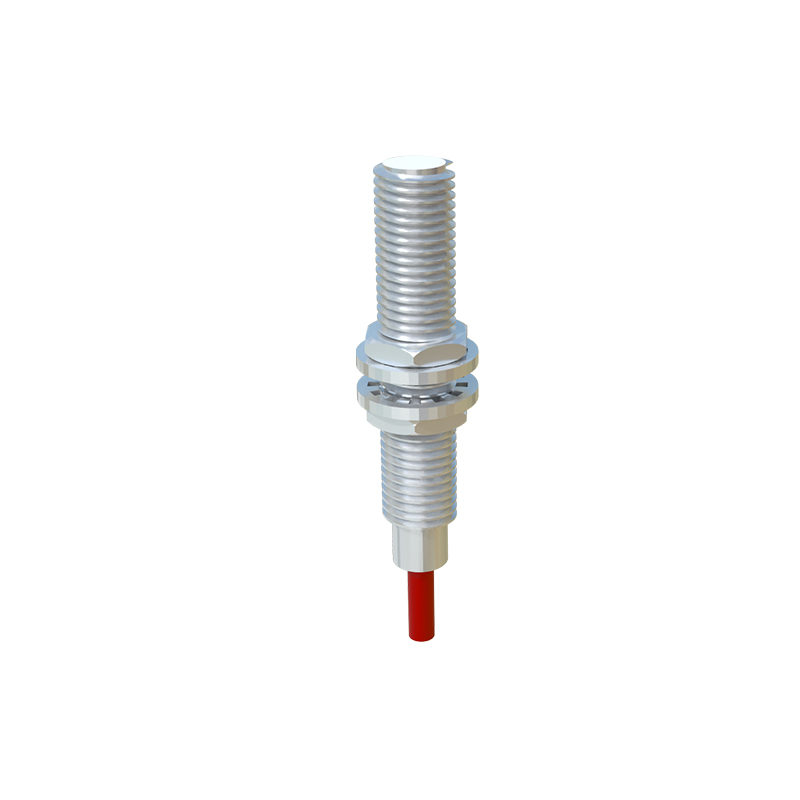
AC-powered proximity sensors, often rated for 120V AC or 240V AC, are commonly found in applications directly integrated into mains power systems, such as conveyor belts or heavy machinery. These sensors eliminate the need for separate DC power supplies but may introduce more electrical interference and require careful wiring to meet safety standards. It is crucial to note that the voltage rating marked on a sensor—for example, "24V DC"—usually indicates the nominal operating voltage. However, sensors are designed to tolerate a range around this value, such as 10-30V DC, to account for voltage fluctuations in industrial environments. Exceeding the maximum voltage can lead to permanent damage, while operating below the minimum may cause unreliable detection or failure to trigger.
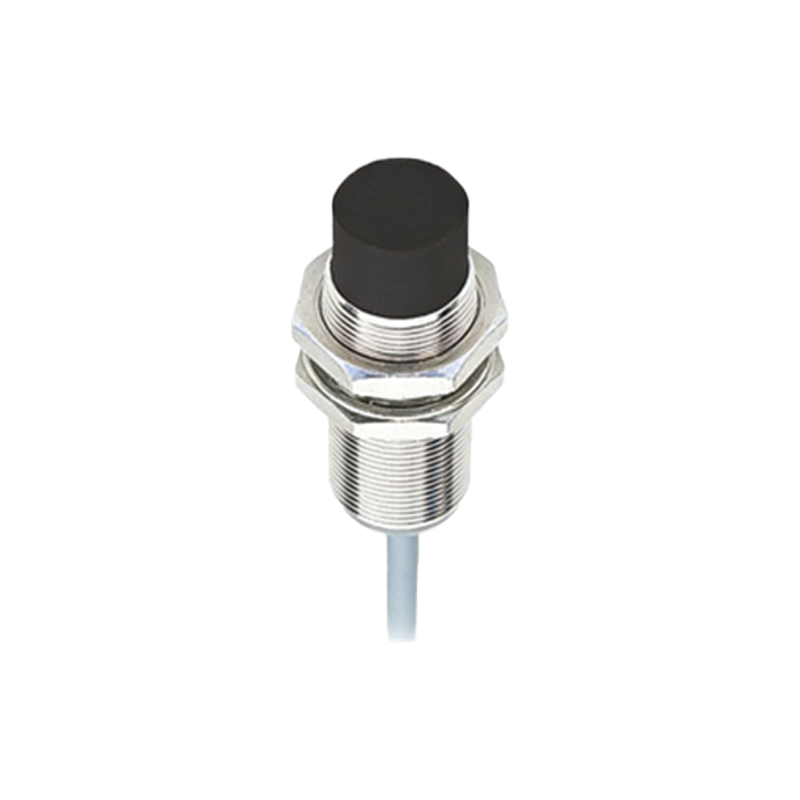
Another key aspect is the sensor's output configuration, which influences voltage requirements. Two-wire sensors are connected in series with the load and operate directly from the supply voltage, simplifying installation but requiring careful current matching. Three-wire sensors, with separate power, ground, and signal wires, offer more stable performance and are available in NPN (sinking) or PNP (sourcing) variants. The output voltage of these sensors typically matches the supply voltage, but some models include built-in voltage regulation or open-collector outputs. For instance, a PNP sensor with a 24V DC supply will switch a 24V DC signal when activated, while an NPN sensor switches the ground path.
Environmental factors also affect voltage performance. Temperature extremes, vibration, and electromagnetic interference can cause voltage drops or spikes, impacting sensor reliability. Engineers must consider the actual operating conditions and possibly select sensors with wider voltage tolerances or protective features like surge suppression. Additionally, cable length and gauge play a role; long cables can lead to significant voltage loss, especially with DC sensors, necessitating calculations to ensure the voltage at the sensor remains within specifications.
In summary, proximity sensor voltage is not a single value but a range tailored to application needs. Understanding these specifications—including nominal ratings, tolerances, output types, and environmental influences—is vital for ensuring optimal performance and longevity in industrial systems. Always refer to the manufacturer's datasheet for precise details, as variations exist between models and brands. By adhering to voltage guidelines and considering real-world factors, professionals can enhance system reliability and avoid costly downtime.