In the realm of industrial automation and electrical engineering, proximity sensors play a pivotal role in detecting the presence or absence of objects without physical contact. Among the various design aspects of these sensors, the external thread configuration—specifically the thread pitch—is a critical yet often overlooked element. This article delves into the significance of thread pitch in proximity sensors, its impact on installation and performance, and best practices for selection and maintenance.
Thread pitch refers to the distance between adjacent threads on a screw or bolt, typically measured in millimeters for metric threads or threads per inch for imperial units. In proximity sensors, external threads are commonly used for mounting purposes, allowing the sensor to be securely installed into a tapped hole or fixture. The choice of thread pitch directly influences the sensor's stability, sealing capabilities, and compatibility with existing systems. For instance, a finer pitch (such as M12x1.0) provides more threads per unit length, enhancing grip and resistance to vibration, which is crucial in high-motion environments like conveyor belts or robotic arms. Conversely, a coarser pitch (like M18x1.5) may facilitate quicker installation but could compromise precision in alignment.
From an engineering perspective, selecting the appropriate thread pitch involves considering factors such as material strength, environmental conditions, and operational requirements. In harsh industrial settings where dust, moisture, or chemicals are present, a finer pitch can improve sealing when paired with O-rings or gaskets, preventing ingress that might damage internal components. Additionally, thread pitch affects the mechanical stress distribution; improper pitch selection can lead to thread stripping or sensor misalignment, resulting in false readings or premature failure. Engineers must adhere to international standards like ISO 965 for metric threads or ASME B1.1 for unified threads to ensure interoperability and safety.
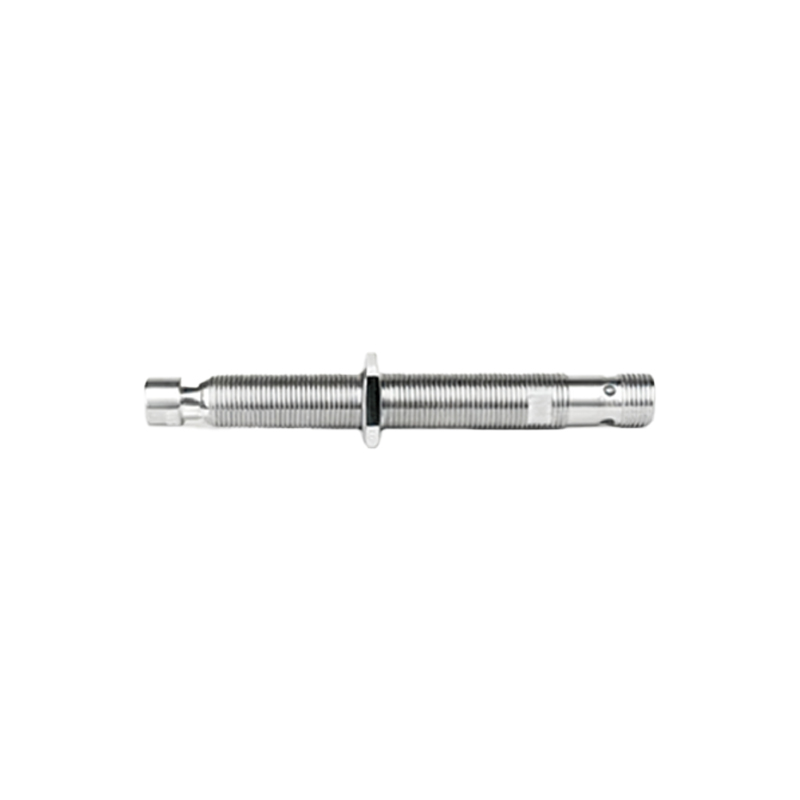
In practice, common thread pitches for proximity sensors include M8x1.0, M12x1.5, and M30x2.0, each suited to specific applications. For example, M8 sensors with a 1.0 mm pitch are often used in compact machinery where space is limited, while M30 sensors with a 2.0 mm pitch are favored in heavy-duty equipment for their robustness. It is essential to verify thread specifications during procurement, as mismatched pitches can cause cross-threading during installation, damaging both the sensor and the mounting surface. Regular maintenance, such as cleaning threads and applying anti-seize compounds, can prolong sensor life and ensure reliable operation.
Ultimately, understanding thread pitch is not merely a technical detail but a fundamental aspect of optimizing proximity sensor performance. By prioritizing accurate pitch selection and adhering to industry standards, engineers can enhance system reliability, reduce downtime, and achieve seamless integration in automated processes. As technology advances, with trends toward miniaturization and smart sensors, attention to these mechanical parameters will remain vital for innovation and efficiency in the electrical and automation sectors.