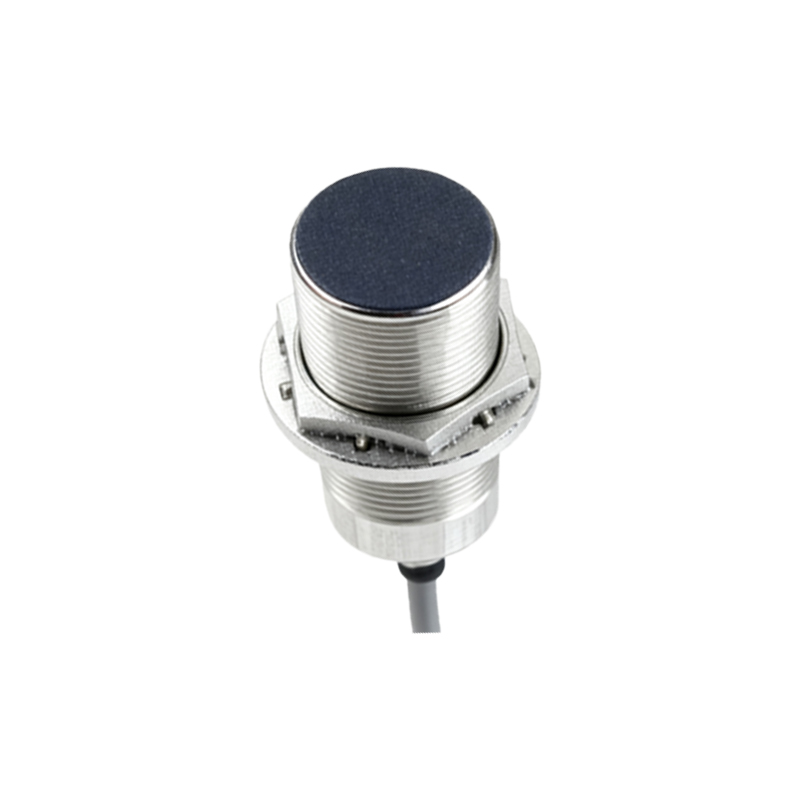
In the realm of industrial automation, proximity switch sensors are indispensable components for non-contact detection, ensuring precise and reliable operation in various machinery and systems. When integrated with aluminum slide rails, these sensors form a robust and versatile solution that enhances performance, durability, and ease of maintenance. This article delves into the key aspects of proximity switch sensor aluminum slide rails, exploring their design, benefits, applications, and selection criteria to help engineers and technicians optimize their industrial setups.
Aluminum slide rails, often crafted from high-grade alloys like 6061 or 6063, provide a lightweight yet sturdy framework for mounting proximity sensors. Their inherent corrosion resistance and excellent thermal conductivity make them ideal for harsh environments, such as manufacturing floors, where exposure to moisture, dust, and temperature fluctuations is common. The rails typically feature standardized profiles, such as the widely used 20mm x 20mm or 40mm x 40mm dimensions, allowing for seamless compatibility with T-slot nuts and brackets. This modularity facilitates quick installation and adjustments, reducing downtime during sensor repositioning or system upgrades.
Proximity switch sensors mounted on these rails can include inductive, capacitive, or magnetic types, each suited for specific detection tasks. Inductive sensors, for instance, excel at sensing metallic objects without physical contact, making them perfect for conveyor systems or robotic arms. When paired with aluminum slide rails, they benefit from enhanced vibration dampening and electromagnetic interference (EMI) shielding, thanks to the rail's conductive properties. The rail's smooth surface and precision machining ensure that sensors maintain consistent alignment, critical for accurate detection ranges and repeatability in high-speed operations.
One of the primary advantages of using aluminum slide rails with proximity sensors is their adaptability. Engineers can easily slide sensors along the rail to fine-tune positioning, accommodating changes in production lines or material handling processes. This flexibility is further amplified by accessory options like end caps, connectors, and protective covers, which safeguard sensors from mechanical impacts and environmental contaminants. Additionally, aluminum's recyclability aligns with sustainable industrial practices, offering an eco-friendly choice without compromising on strength or longevity.
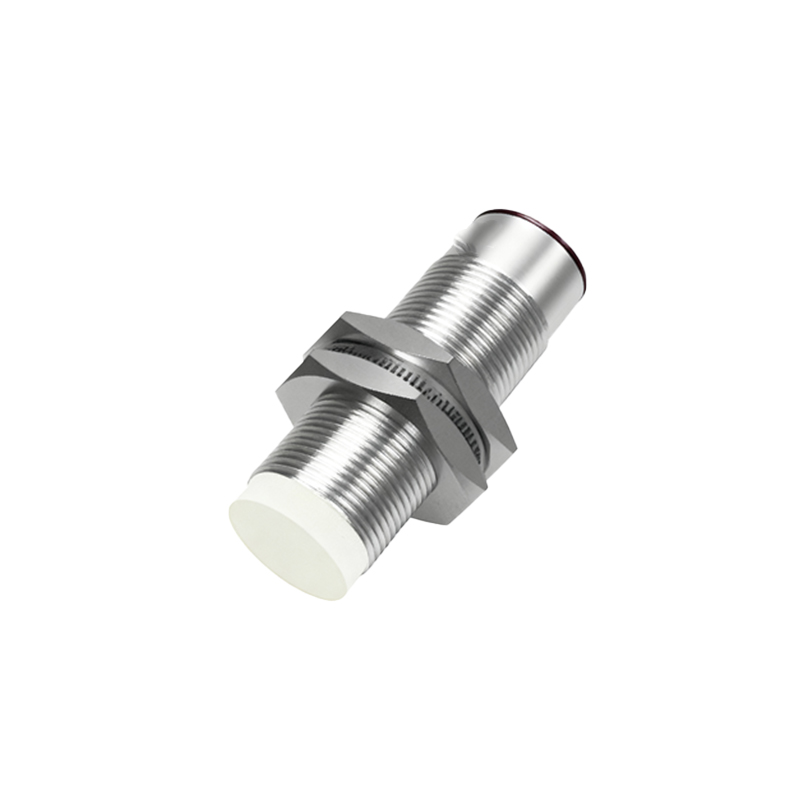
In practical applications, proximity switch sensor aluminum slide rails are ubiquitous across sectors such as automotive assembly, packaging, and material handling. For example, in automated packaging lines, sensors on rails monitor product flow, triggering actuators to sort or seal items with pinpoint accuracy. The rails' low maintenance requirements—resisting rust and wear—translate to reduced operational costs over time. When selecting these components, factors like load capacity, sensor type, and environmental ratings (e.g., IP67 for dust and water resistance) should be considered to ensure optimal performance.
To maximize efficiency, regular inspection of the rail-sensor assembly is recommended. Check for signs of wear, loose fittings, or debris accumulation, and clean with non-abrasive solutions to preserve functionality. As Industry 4.0 advances, integrating these systems with IoT platforms can enable real-time monitoring and predictive maintenance, further boosting productivity. In summary, proximity switch sensor aluminum slide rails represent a synergy of innovation and practicality, driving industrial automation toward greater precision and reliability. By understanding their features and best practices, professionals can leverage this technology to enhance safety, reduce errors, and achieve seamless operational workflows.