In the realm of industrial automation and control systems, the precision of sensing components is not merely a specification—it is the cornerstone of reliability, efficiency, and safety. Among these critical components, proximity sensors stand out for their ability to detect the presence or absence of an object without physical contact. However, the term "accuracy" in the context of proximity sensors is multifaceted and warrants a detailed exploration to ensure optimal system integration and performance.
At its core, the accuracy of a proximity sensor refers to its ability to consistently and correctly detect a target at its specified sensing distance under defined conditions. This is distinct from, yet interrelated with, concepts like repeatability and resolution. A highly accurate sensor minimizes errors between the actual position of a target and the point at which the sensor triggers an output signal. Several intrinsic and extrinsic factors converge to influence this critical parameter.
The sensing technology itself is a primary determinant. Inductive proximity sensors, designed for metallic targets, offer high accuracy but their performance can vary with the type of metal (e.g., steel, aluminum, copper) due to differences in electromagnetic properties. Capacitive sensors, used for both metallic and non-metallic materials, may have their accuracy affected by environmental factors like humidity or material composition. Ultrasonic and photoelectric sensors provide different accuracy profiles based on sound wave propagation or light beam characteristics, respectively.
A key specification directly tied to accuracy is the "switching distance" (Sn) and its tolerance. Reputable manufacturers define a nominal sensing distance, but the actual operating point can vary. The standard "rated operating distance" (Sr) is typically 70-80% of Sn to account for these tolerances and ensure reliable operation despite supply voltage fluctuations, temperature changes, and manufacturing variances. A sensor with a tight tolerance band on its Sr is inherently more accurate.
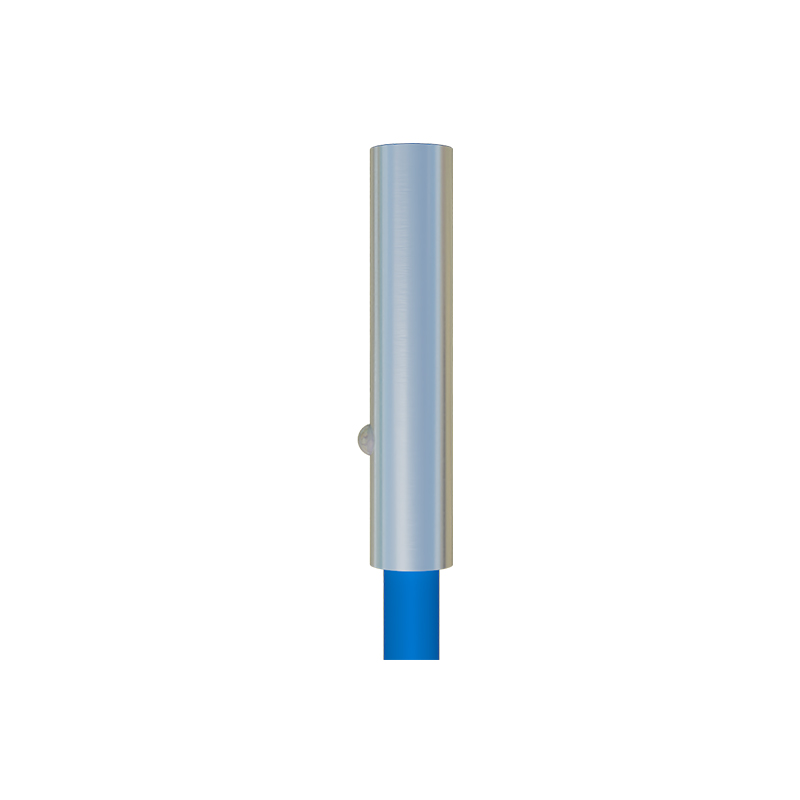
Environmental conditions pose significant challenges to accuracy. Temperature swings can cause thermal expansion of mechanical components and alter the electrical properties of the sensor's oscillator circuit, leading to drift in the sensing point. High levels of ambient electrical noise, common in facilities with variable frequency drives (VFDs) or welding equipment, can induce false triggering or signal instability in inductive and capacitive sensors. Contaminants like dust, oil, or coolant can coat the sensor's active face, attenuating signals in ultrasonic or optical models, or creating parasitic capacitance in capacitive models.
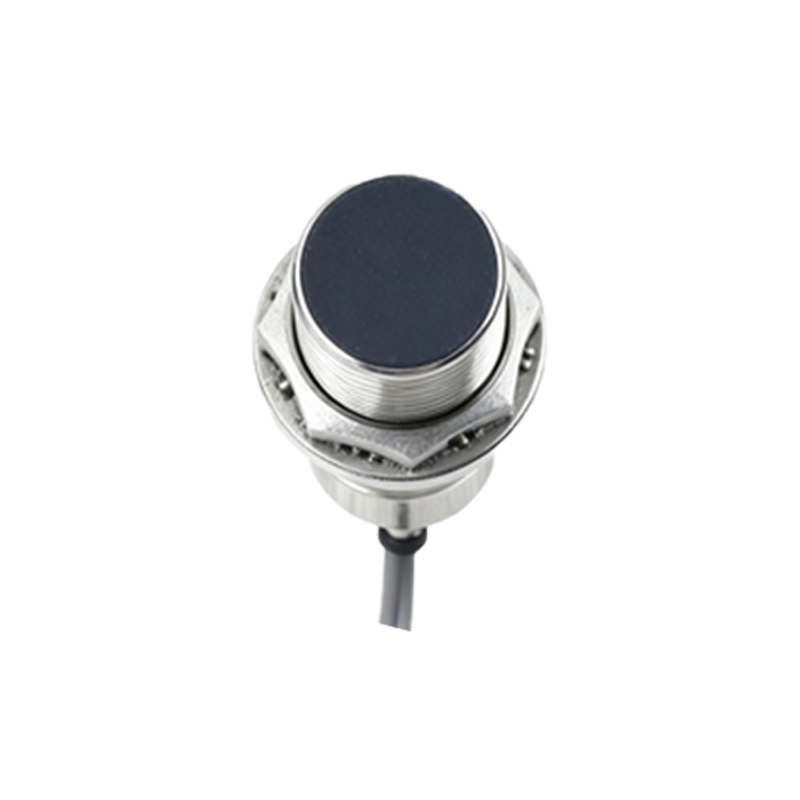
The target characteristics are equally crucial. For inductive sensors, the size, shape, and material of the target directly influence the effective sensing distance. A standard target is typically a square of mild steel with a side length equal to the sensor's diameter or three times the rated sensing distance. Using a smaller, thinner, or non-ferrous target will reduce the effective range and impact accuracy. The approach direction (axial vs. lateral) also matters, as defined by the sensor's sensing field geometry.
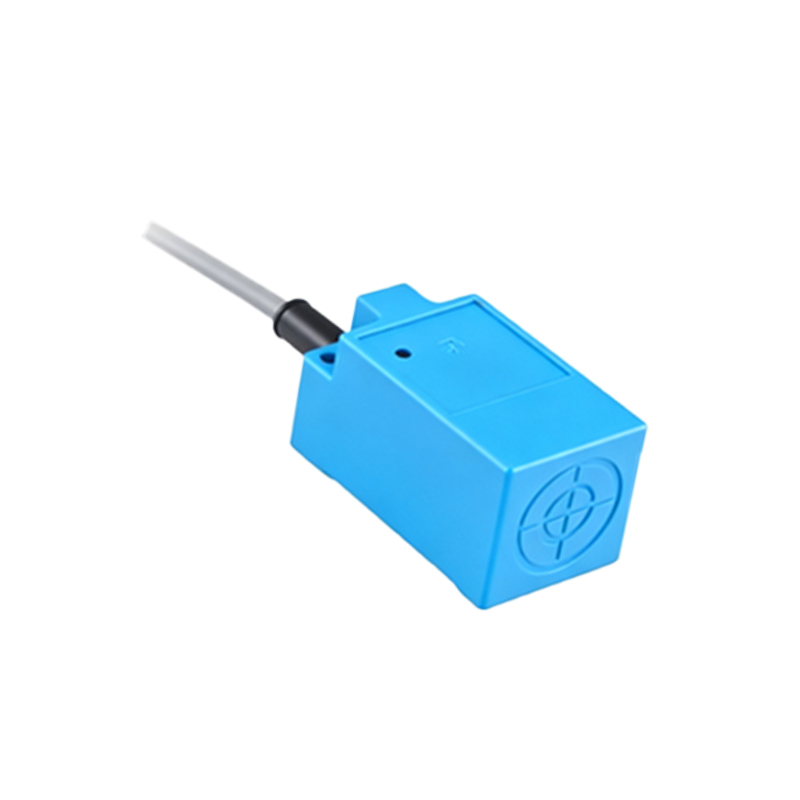
To quantify and manage accuracy, engineers rely on critical metrics. Hysteresis (H) is the distance difference between the switch-on point as the target approaches and the switch-off point as it recedes. This built-in differential prevents output chatter when a target is positioned at the exact sensing threshold and is essential for stable control. Repeatability (R) is perhaps the most telling metric for precision in application; it defines the sensor's ability to consistently trigger at the same point under unchanged conditions over multiple cycles. High repeatability often outweighs absolute nominal accuracy in many automated processes.
Ensuring high accuracy in the field requires a systematic approach. First, sensor selection must align with the application: choose the correct technology for the target material and environmental rigors. Second, meticulous installation is non-negotiable. Sensors should be mounted securely to prevent vibration-induced error, with adequate clearance from surrounding metal (as per manufacturer guidelines) to avoid flanking interference. Third, operating in the linear range of the sensor's characteristic curve, rather than at the extreme limit of its range, provides a safety margin against drift. Finally, implementing regular maintenance schedules to clean sensor faces and verify performance with calibrated test targets is indispensable for long-term accuracy.
In conclusion, proximity sensor accuracy is a systems engineering challenge. It is not defined by a single number on a datasheet but is the result of a harmonious interaction between a well-chosen sensor, a suitable target, a stable environment, and proper installation. By deeply understanding the factors of technology, tolerance, environment, and target, engineers can specify and deploy proximity sensors that deliver the precise, reliable performance demanded by modern, high-speed, and complex industrial automation systems, thereby safeguarding process integrity and productivity.