In the competitive landscape of industrial automation and machinery manufacturing, the procurement of proximity sensors through a formal bidding process is a critical undertaking. A well-structured bid not only ensures the acquisition of high-quality, reliable components but also optimizes lifecycle costs and mitigates operational risks. This guide outlines the essential technical and commercial considerations for both buyers preparing a Request for Proposal (RFP) and suppliers responding to it, focusing on the unique demands of proximity sensor applications.
From a technical specification standpoint, the RFP must move beyond generic part numbers. It should demand detailed performance data. Key parameters include:
Sensing Principle: Specify whether inductive, capacitive, ultrasonic, or photoelectric sensors are required. Inductive sensors are for metals, capacitive for non-metals and liquids, etc. The choice dictates the core technology.
Sensing Range: Define the nominal and assured operating distances (Sn and Sa). Include tolerances for temperature and voltage fluctuations.
Output Configuration: Detail the required output type (e.g., PNP/NPN, NO/NC, analog 4-20mA, IO-Link). Compatibility with existing PLC systems is non-negotiable.
Environmental Ratings: Mandate specific Ingress Protection (IP) ratings (e.g., IP67, IP69K for washdown), temperature ranges, and resistance to chemicals, oils, or welding spatter. Vibration and shock immunity specifications are crucial for heavy machinery.
Electrical Characteristics: Specify operating voltage ranges, current consumption, and short-circuit/overload protection features.
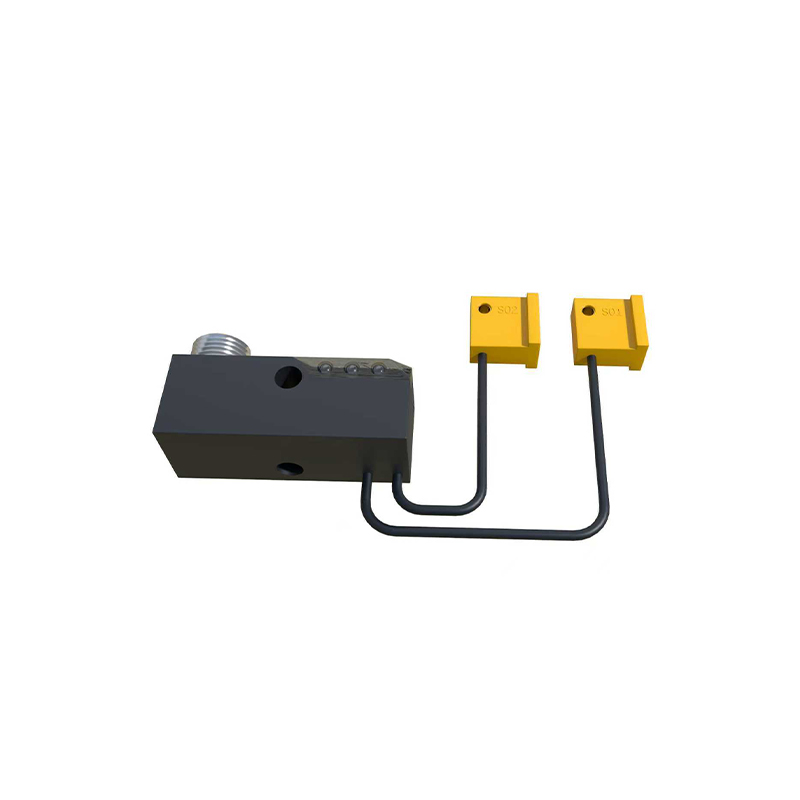
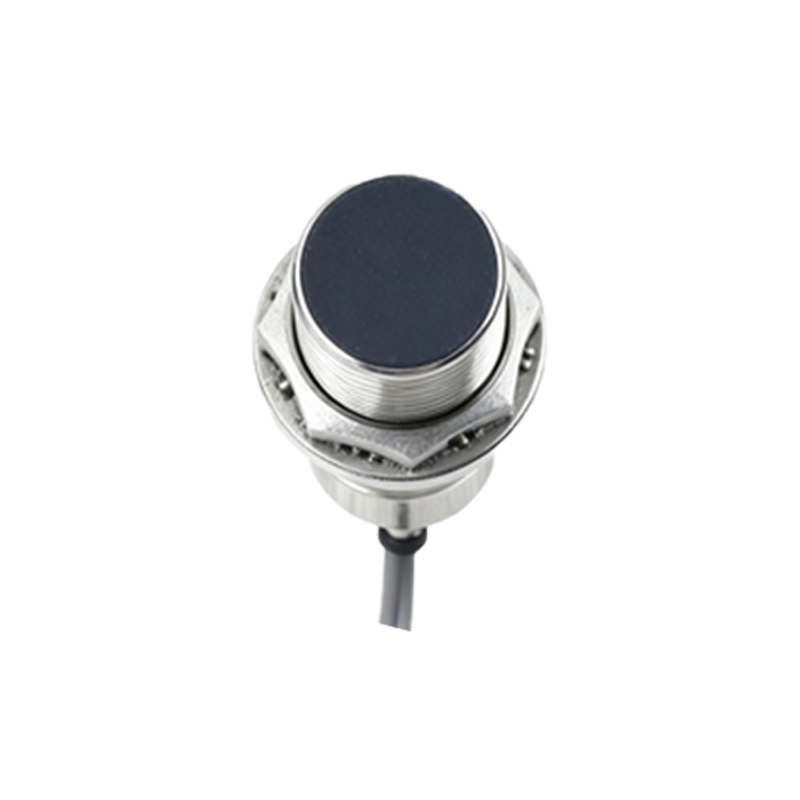
Housing Material and Design: Requirements for stainless steel, brass, or PBT housings, along with form factor (barrel, rectangular, ring), thread type, and connector style (M8, M12, etc.) must be explicit.
Certifications: List mandatory certifications (e.g., UL, CE, ATEX for hazardous areas, IECEx, SIL for functional safety).
The commercial and qualitative sections of the bid are equally vital. The evaluation criteria should be transparently weighted. These typically encompass:
Total Cost of Ownership (TCO): Evaluation must consider unit price, expected lifespan, mean time between failures (MTBF), and availability/cost of spare parts. A cheaper sensor with a high failure rate is ultimately more expensive.
Technical Support & Documentation: Require evidence of comprehensive, accessible documentation in English (datasheets, manuals, CAD models) and the availability of application engineering support.
Supply Chain & Lead Time: Suppliers must demonstrate robust supply chain resilience, provide standard and guaranteed lead times, and have a clear inventory policy. Just-in-Time (JIT) delivery capabilities can be a significant advantage.
Warranty & Service: Compare warranty periods (e.g., 3 years vs. 5 years) and the terms of service agreements. A global service network is critical for multinational operations.
Sample Testing Protocol: The RFP should mandate a formal sample testing phase. Suppliers must provide a specified quantity of samples for rigorous in-house or third-party testing under simulated real-world conditions before any bulk order is finalized.
For suppliers crafting a response, precision and compliance are paramount. The bid response must be structured to directly address every point in the RFP, using clear cross-referencing. Avoid marketing fluff; instead, provide substantiated data. Include detailed test reports, certification copies, and case studies from similar industries (e.g., automotive, packaging, material handling). A detailed breakdown of costs, including any potential ancillary charges for packaging or documentation, builds trust. Furthermore, proposing a clear project timeline from order to delivery, and outlining the escalation path for technical issues, demonstrates professionalism and reliability.
A common pitfall in proximity sensor procurement is over-specification or under-specification. Specifying an IP69K-rated, ATEX-certified sensor for a benign indoor conveyor is wasteful. Conversely, using a standard IP67 sensor in a high-pressure washdown area leads to premature failure. Collaboration between procurement specialists and plant maintenance engineers during the RFP drafting phase is essential to define the precise, justified requirements.
In conclusion, a successful proximity sensor procurement bid is a strategic document that balances technical rigor with commercial astuteness. For buyers, it is a tool to secure optimal value and reliability. For suppliers, it is an opportunity to showcase expertise and build a long-term partnership. By focusing on detailed specifications, transparent TCO analysis, and a commitment to post-sales support, both parties can ensure a successful outcome that enhances operational efficiency and safety on the factory floor.