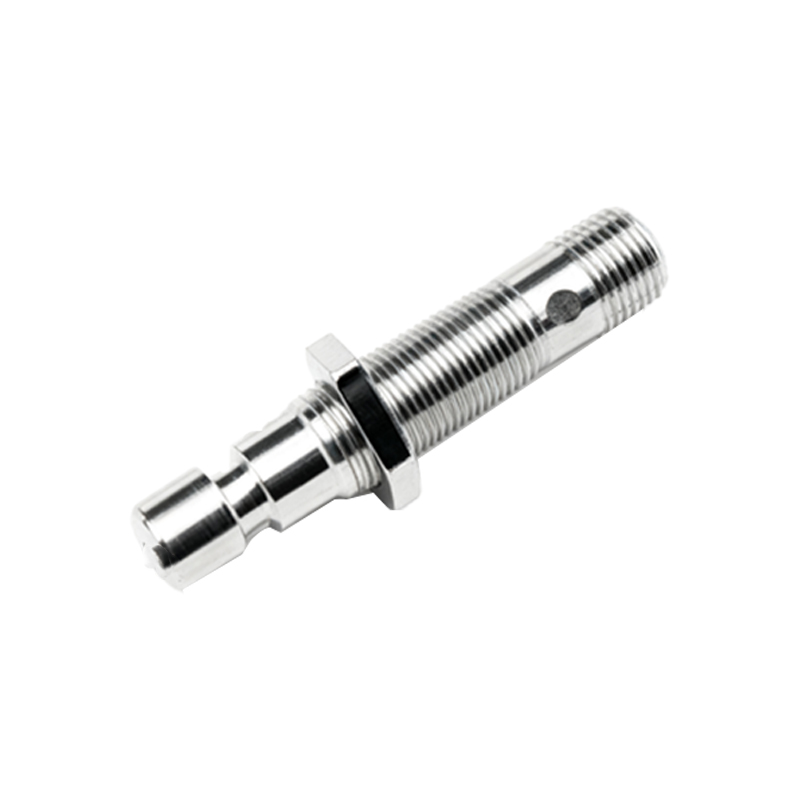
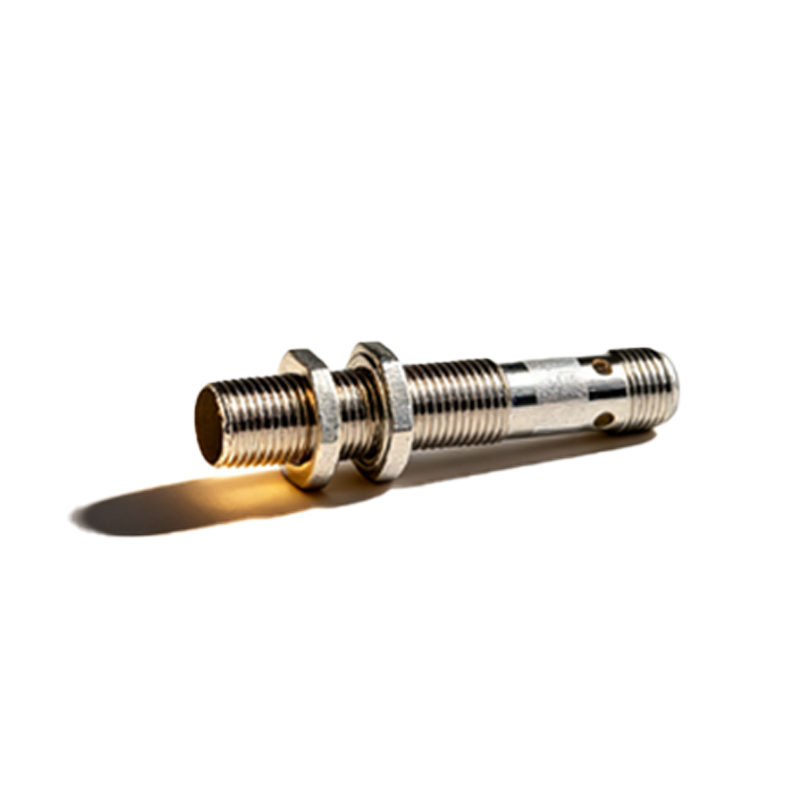
In modern industrial automation, proximity sensors play a critical role in detecting the presence or absence of objects without physical contact. However, the effectiveness of these sensors often depends on the reliability of their signal transmission, especially when monitoring points are located far from control systems. Remote transmission of proximity sensor signals is essential for large-scale facilities, distributed processes, and applications where real-time data acquisition is required over extended distances. This article explores the key technologies, challenges, and best practices for achieving robust remote signal transmission in industrial settings.
Proximity sensors, including inductive, capacitive, and photoelectric types, generate electrical signals—typically digital (ON/OFF) or analog (e.g., 4–20 mA, 0–10 V)—that indicate object detection. When transmission distances exceed a few meters, signal degradation can occur due to factors like electrical interference, voltage drop, and environmental conditions. To address this, several transmission methods are employed. Wired solutions, such as using shielded cables and signal conditioners, remain common for moderate distances. For longer ranges, protocols like 4–20 mA current loops offer inherent noise immunity, while industrial Ethernet (e.g., PROFINET, EtherNet/IP) and fieldbus systems (e.g., PROFIBUS, Modbus) enable high-speed data transfer over hundreds of meters with minimal loss.
Wireless technologies have gained prominence for remote transmission, particularly in hard-to-wire or mobile applications. Radio frequency (RF) modules, Bluetooth Low Energy (BLE), and Wi-Fi allow sensors to transmit data to centralized controllers without physical cabling. For large-scale deployments, Low-Power Wide-Area Networks (LPWAN) like LoRaWAN or NB-IoT provide long-range communication with low power consumption, ideal for battery-operated sensors in remote areas. However, wireless systems must contend with interference, latency, and security concerns, necessitating robust encryption and frequency management.
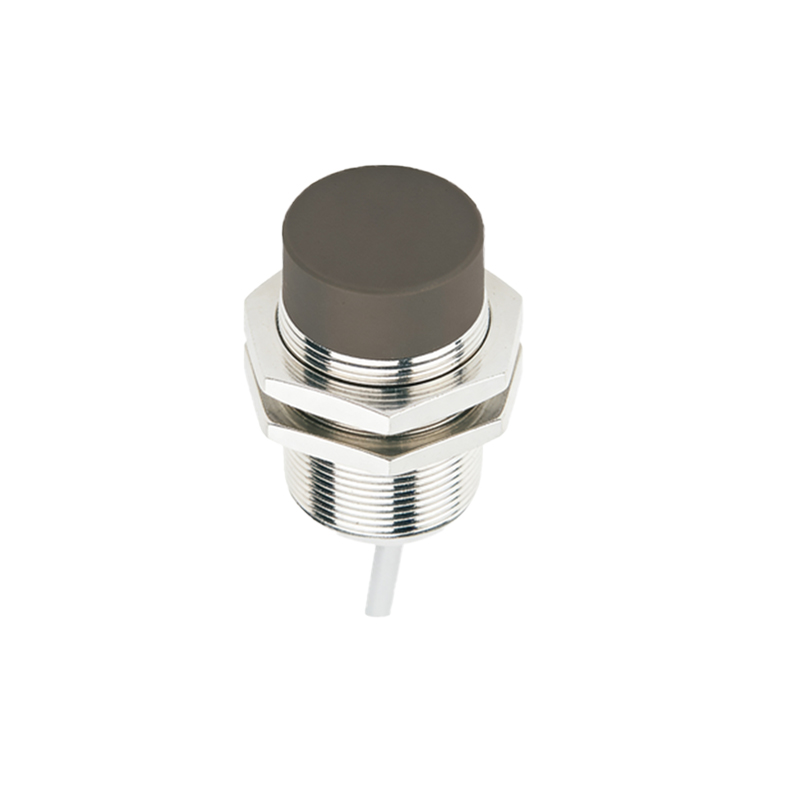
Signal integrity is paramount in remote transmission. Electromagnetic interference (EMI) from motors, drives, or other equipment can distort sensor signals, leading to false readings or system failures. To mitigate this, engineers should use twisted-pair or coaxial cables with proper shielding, ensure grounding practices comply with industry standards (e.g., IEC 61131-2), and install surge protectors in environments prone to voltage spikes. Additionally, signal amplifiers or repeaters can boost weak signals over long cable runs, maintaining clarity and accuracy.
In practice, selecting the right transmission method depends on factors like distance, data rate, environmental conditions, and cost. For instance, in a factory with harsh EMI, a 4–20 mA loop with intrinsic safety barriers may be preferred, while a solar-powered agricultural monitoring system might leverage LoRaWAN for its low energy needs. Integration with Industrial Internet of Things (IIoT) platforms further enhances remote transmission by enabling cloud-based data analytics, predictive maintenance, and real-time alerts. By combining robust hardware with smart networking protocols, engineers can ensure proximity sensor signals are transmitted reliably across any distance.
Ultimately, successful remote transmission hinges on a holistic approach—from sensor selection and cable management to network design and cybersecurity. Regular testing and maintenance, including signal strength checks and firmware updates, help sustain performance over time. As industries embrace digital transformation, advancements in 5G, edge computing, and AI-driven diagnostics will continue to refine how proximity sensor signals are transmitted remotely, driving efficiency and innovation in automation.