In the industrial automation sector, proximity sensors are critical components that enable non-contact detection of objects, ensuring efficient and reliable operations. However, the market is flooded with counterfeit proximity sensors that mimic genuine products in appearance but fail in performance, safety, and longevity. Identifying fake proximity sensors is essential to prevent system failures, costly downtime, and potential hazards. This article provides a comprehensive guide to distinguishing genuine proximity sensors from counterfeits, focusing on key aspects such as manufacturing quality, technical specifications, certification marks, and supplier credibility.
First, examine the physical build and material quality. Genuine proximity sensors from reputable manufacturers feature robust housings made of high-grade materials like stainless steel, nickel-plated brass, or PBT plastic, which offer resistance to corrosion, impacts, and extreme temperatures. Counterfeit sensors often use inferior materials that feel lightweight, have rough edges, or show inconsistencies in molding. Check for precise labeling, including brand logos, model numbers, and technical data, which are typically engraved or laser-etched clearly on genuine units. Fake sensors may have blurred, smudged, or poorly printed markings that fade easily.
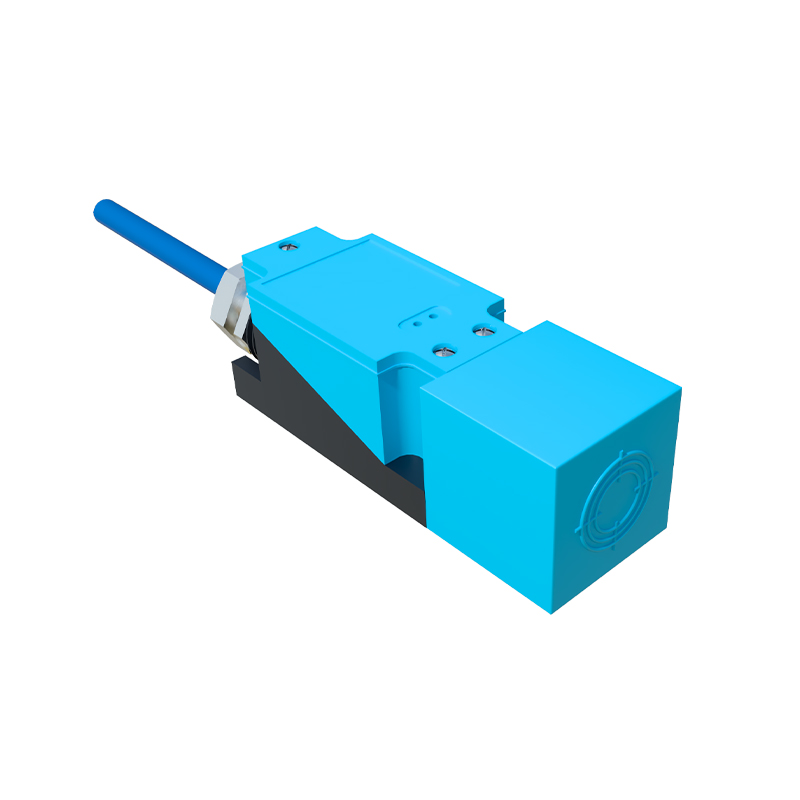
Second, verify the technical specifications and performance. Authentic proximity sensors come with detailed datasheets specifying operating voltage, sensing range, output type (e.g., NPN or PNP), response time, and environmental ratings like IP67 for dust and water resistance. Test the sensor under real conditions if possible; counterfeit versions often exhibit shorter sensing distances, unstable output signals, or higher failure rates under load. Use a multimeter or oscilloscope to measure output consistency—genuine sensors maintain stable performance across their rated voltage range, while fakes may fluctuate or overheat.

Third, look for certification marks and compliance standards. Legitimate proximity sensors adhere to international standards such as ISO 9001 for quality management, CE for European safety, UL for North America, or RoHS for environmental compliance. These certifications are usually marked on the product or packaging with official symbols. Counterfeit sensors might lack these marks or feature伪造的 logos that appear slightly off in design or placement. Always cross-check certification numbers with relevant databases when in doubt.

Fourth, assess the packaging and documentation. Genuine products are packaged securely with anti-static materials, include user manuals, warranty cards, and often have unique serial numbers for traceability. The packaging should display the manufacturer’s contact information and website. Counterfeit sensors may come in flimsy boxes with spelling errors, missing documents, or generic inserts. Additionally, reputable suppliers provide after-sales support, while counterfeit sources often vanish after purchase.
Fifth, evaluate the supplier’s credibility. Purchase from authorized distributors or directly from known manufacturers like Siemens, Omron, or Schneider Electric. Check the supplier’s website for authenticity seals, customer reviews, and industry partnerships. Be wary of unusually low prices on e-commerce platforms or unknown vendors, as this is a common red flag for counterfeits. Request samples for testing before bulk orders, and verify the product’s origin through manufacturer verification tools if available.
In summary, distinguishing genuine proximity sensors requires a multi-faceted approach combining visual inspection, performance testing, certification verification, and supplier due diligence. Investing in authentic sensors not only ensures operational reliability but also enhances safety and reduces long-term costs. Stay vigilant by educating your team on these鉴别 techniques and fostering relationships with trusted suppliers to safeguard your automation systems.