In the rapidly evolving landscape of electronic devices, ambient light sensors (ALS) and proximity sensors have become integral components, enhancing both functionality and user experience. These sensors, often integrated into a single module, play a crucial role in optimizing device performance and energy efficiency across various applications, from smartphones and tablets to automotive displays and industrial equipment.
Ambient light sensors are designed to measure the intensity of light in the surrounding environment. By detecting changes in ambient light levels, these sensors enable automatic adjustment of screen brightness in devices such as smartphones, laptops, and televisions. This not only improves visual comfort for users by reducing eye strain in low-light conditions but also conserves battery life by minimizing unnecessary power consumption. Modern ALS utilize photodiodes or phototransistors to convert light into electrical signals, with advanced versions offering high dynamic range and spectral response close to that of the human eye. This ensures accurate adaptation to diverse lighting scenarios, whether in bright sunlight or dim indoor settings.
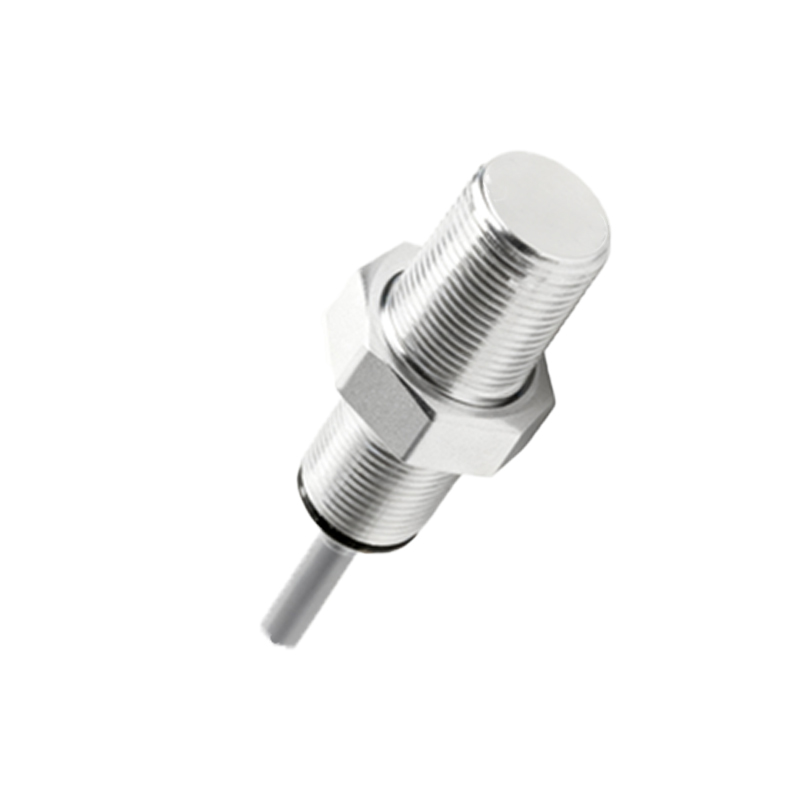
Proximity sensors, on the other hand, detect the presence or absence of nearby objects without physical contact. Typically employing infrared (IR) technology, these sensors emit an IR beam and measure the reflection to determine an object's distance. In smartphones, proximity sensors are essential for preventing accidental touch inputs during calls by turning off the display when the device is held close to the ear. They also find applications in robotics, automotive safety systems (e.g., parking assistance), and industrial automation for object detection and collision avoidance. The integration of both ALS and proximity sensors into compact modules allows for space-saving designs while providing synchronized data for more intelligent device behavior.

The synergy between ambient light and proximity sensors is particularly evident in smart devices. For instance, when a phone is lifted to the ear, the proximity sensor triggers the screen to turn off, while the ambient light sensor simultaneously adjusts the backlight based on environmental conditions. This dual functionality enhances energy efficiency and extends battery longevity. Moreover, in automotive interiors, these sensors contribute to adaptive lighting systems that adjust dashboard brightness and infotainment displays according to external light levels, improving driver safety and comfort.
From a technical perspective, the design and implementation of these sensors involve considerations such as sensitivity, response time, power consumption, and interference resistance. Engineers must account for factors like optical crosstalk between ALS and proximity components, as well as environmental variables such as temperature and humidity. Recent advancements include the development of digital sensors with I2C or SPI interfaces, which offer precise calibration, low noise, and seamless integration with microcontrollers. Additionally, the rise of Internet of Things (IoT) devices has spurred demand for sensors with ultra-low power operation and enhanced accuracy for applications in smart homes and wearable technology.
In industrial and commercial settings, ambient light and proximity sensors are leveraged for automation and energy management. For example, in smart lighting systems, ALS data can be used to dim or brighten LEDs based on natural light availability, reducing electricity costs. Proximity sensors enable touchless interfaces in public kiosks or elevators, promoting hygiene and convenience. As technology progresses, we can expect further miniaturization, improved sensitivity, and the integration of artificial intelligence to enable predictive adjustments based on user behavior and environmental patterns.
Overall, ambient light and proximity sensors represent key enablers of smarter, more responsive electronics. Their continued evolution will drive innovations in user interface design, energy conservation, and safety across multiple industries. For engineers and designers, staying abreast of these developments is essential for creating next-generation devices that meet the growing demands for efficiency and usability.