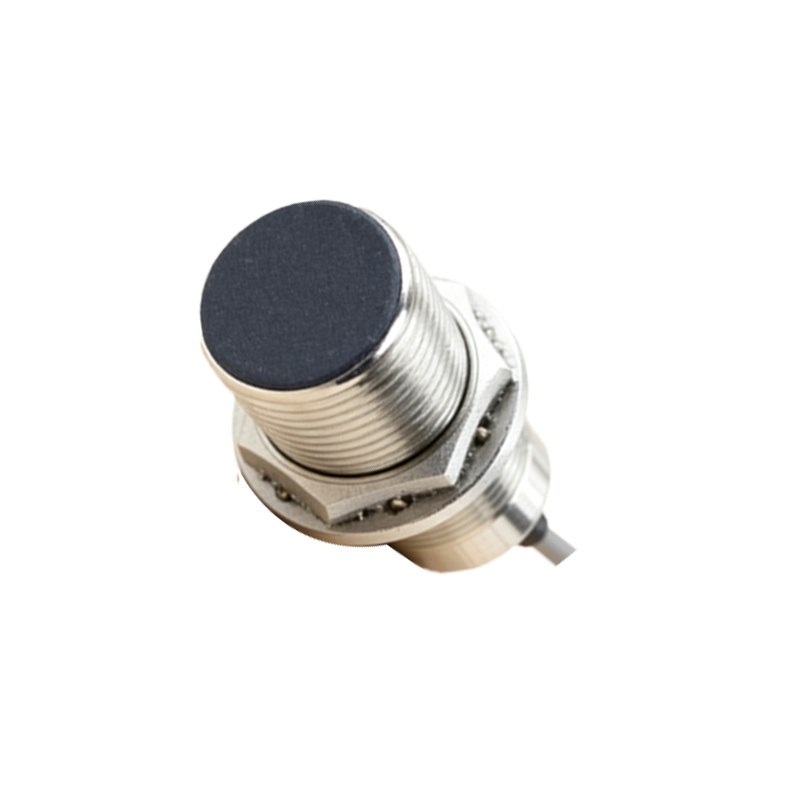
In industrial automation, the precise detection of machine track positions is critical for ensuring operational safety, accuracy, and efficiency. Proximity sensors play a pivotal role in this domain, offering non-contact detection capabilities that are essential for monitoring the movement and alignment of components along tracks in various machinery, such as CNC machines, conveyor systems, and robotic arms. This article delves into the technical aspects of using proximity sensors for machine track detection, covering principles, selection criteria, installation practices, and common challenges.
Proximity sensors operate by emitting an electromagnetic field or a beam of electromagnetic radiation, and detecting changes in the field or return signal. When a metallic object, such as a track or a moving part on the track, enters the sensor's detection range, it alters the field, triggering an output signal. This non-contact method eliminates mechanical wear, reduces maintenance needs, and enhances reliability compared to mechanical limit switches. For machine tracks, inductive proximity sensors are commonly used due to their sensitivity to metals, making them ideal for detecting the presence or absence of track components, monitoring travel limits, or ensuring proper alignment.
Selecting the right proximity sensor for machine track applications requires careful consideration of several factors. First, the sensing distance must match the application's requirements; for instance, longer ranges may be needed for large tracks, while shorter ranges suit precise positioning. The sensor's housing material should withstand environmental conditions like dust, moisture, or vibrations commonly found in industrial settings. Additionally, output type (e.g., NPN, PNP, or analog) and response time are crucial for integration with control systems. For high-speed tracks, fast-response sensors prevent delays that could lead to operational errors. It's also important to choose sensors with appropriate IP ratings to ensure durability against contaminants.
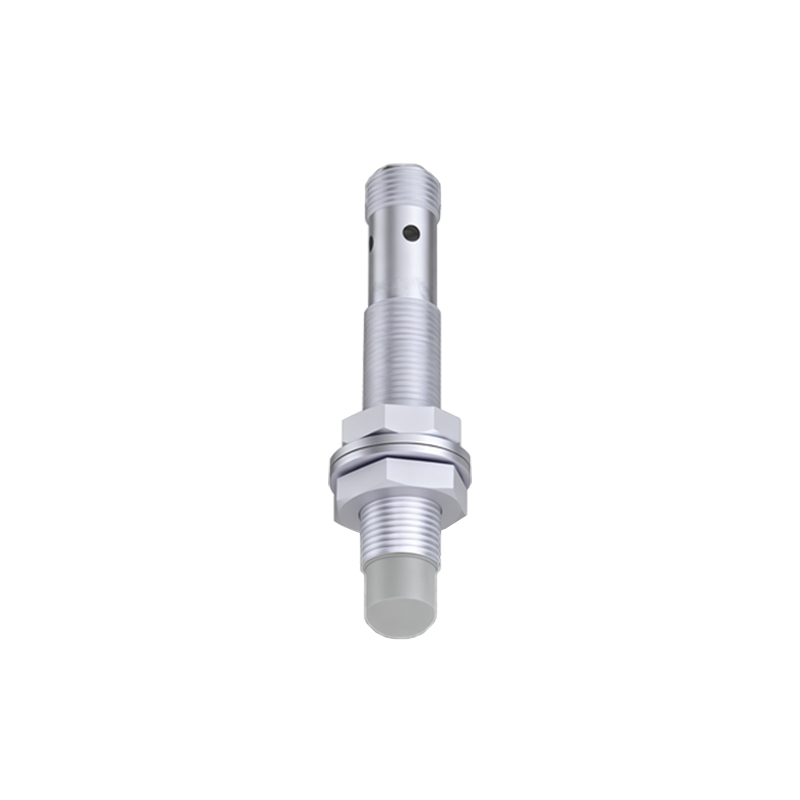
Installation practices significantly impact sensor performance. Proper mounting involves aligning the sensor perpendicular to the track surface to maximize detection accuracy. Avoiding interference from other metallic objects or electrical noise is essential; this can be achieved by maintaining adequate clearance and using shielded cables. Regular calibration and testing help maintain optimal functionality, especially in dynamic environments where track conditions may change over time. For example, in rail-guided vehicles, sensors can be installed at track endpoints to prevent collisions or at intervals to monitor speed and position.
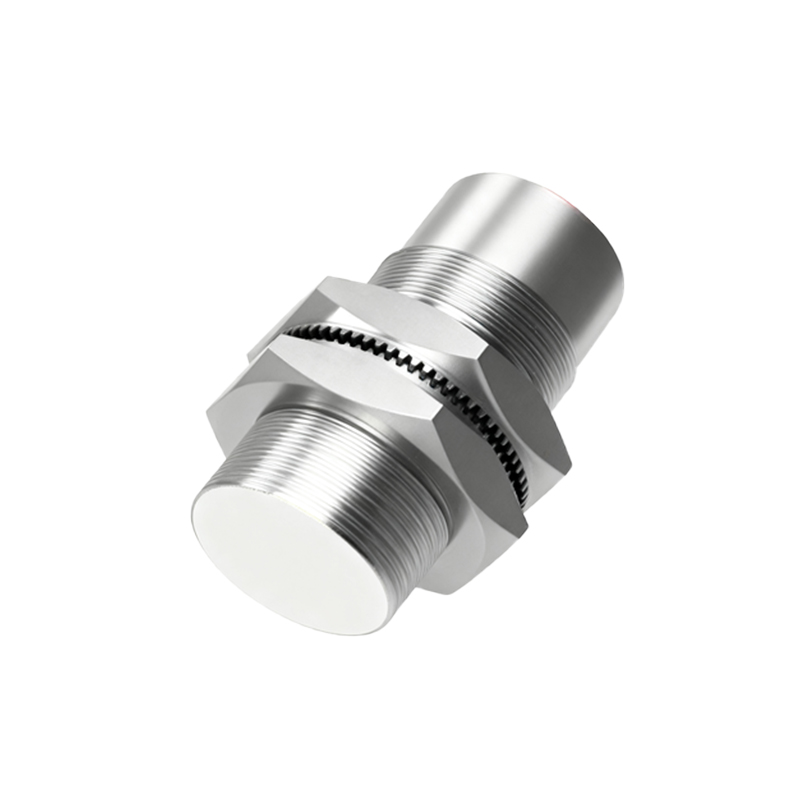
Despite their advantages, proximity sensors face challenges in machine track detection. False triggers may occur due to environmental factors like temperature fluctuations or electromagnetic interference. To mitigate this, selecting sensors with robust filtering capabilities or implementing redundancy with multiple sensors can enhance reliability. Another issue is sensor degradation over time, which can be addressed through routine inspections and preventive maintenance. In applications involving non-metallic tracks, capacitive or ultrasonic sensors might be alternatives, though they require different considerations.
In summary, proximity sensors are indispensable tools for machine track detection in industrial automation. By understanding their working principles, selecting appropriate models, and following best installation practices, engineers can optimize track monitoring for improved safety and productivity. As technology advances, innovations like smart sensors with IoT connectivity are emerging, offering real-time data analytics for predictive maintenance and enhanced control. Embracing these trends can further elevate the role of proximity sensors in modern manufacturing environments.