In the realm of industrial automation, photoelectric proximity sensors are indispensable components, enabling non-contact detection of objects with high precision and reliability. As engineers and procurement specialists evaluate these devices for various applications, understanding the factors that influence their pricing is crucial for making informed decisions. The cost of a photoelectric proximity sensor is not merely a number on a price tag; it is a reflection of its technology, performance, durability, and suitability for specific operational environments.
At the core of pricing considerations lies the sensor's technology type. Photoelectric sensors are broadly categorized into through-beam, retro-reflective, and diffuse reflective models, each with distinct operational principles and cost structures. Through-beam sensors, consisting of separate emitter and receiver units, typically command a higher price due to their superior sensing range and immunity to environmental interferences like dust or color variations. In contrast, diffuse reflective sensors, which integrate both emitter and receiver in a single housing, are often more affordable but may have limitations in range and sensitivity to object surface properties. Retro-reflective models, utilizing a reflector to bounce light back to the receiver, fall somewhere in between, offering a balance of cost and performance for mid-range applications.
Another significant factor is the sensing range and accuracy. Sensors designed for long-distance detection, such as those capable of sensing objects several meters away, incorporate advanced optics and high-power LEDs or laser diodes, driving up manufacturing costs. Similarly, sensors with high-resolution capabilities or those offering precise measurement functions (e.g., background suppression or distance measurement) involve sophisticated electronics and calibration processes, resulting in a premium price point. For instance, a laser-based photoelectric sensor with sub-millimeter accuracy will be substantially more expensive than a standard infrared sensor used for basic presence detection at short ranges.
Environmental robustness and certifications also play a pivotal role in pricing. Industrial settings often expose sensors to harsh conditions, including extreme temperatures, moisture, vibrations, and corrosive chemicals. Sensors built with rugged housings (e.g., stainless steel or IP67/IP68-rated enclosures), protective coatings, and enhanced sealing mechanisms incur higher material and production costs. Additionally, compliance with international standards such as CE, UL, or ATEX for explosive atmospheres adds to the price due to rigorous testing and certification requirements. A sensor rated for use in food processing or pharmaceutical industries, where hygiene and washdown capabilities are critical, will typically cost more than a standard model for general factory automation.
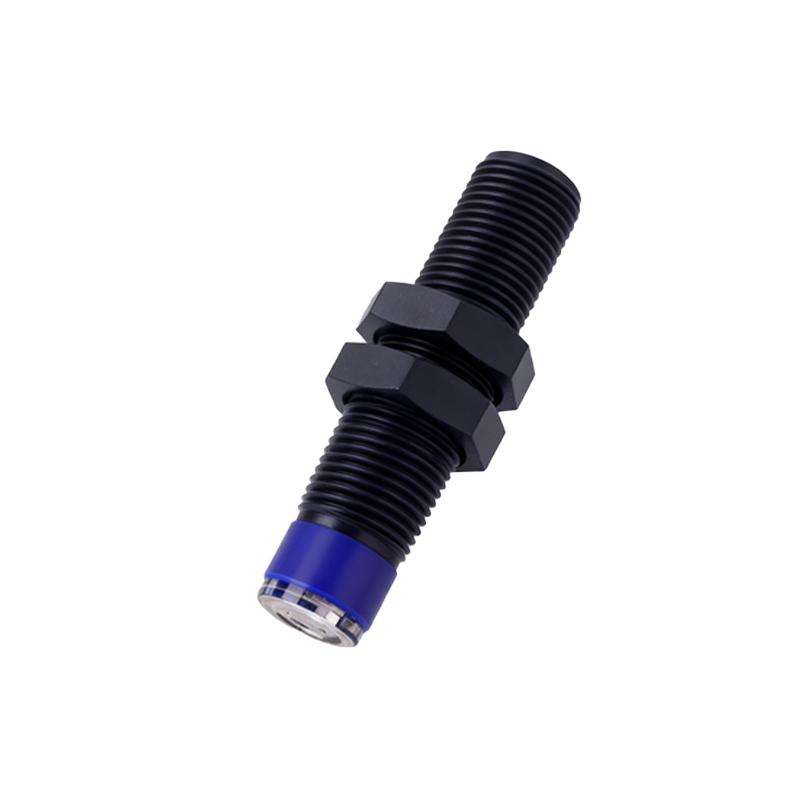
The choice of output configuration and connectivity options further influences cost. Basic sensors with simple digital outputs (e.g., NPN or PNP) are generally economical, while those with analog outputs (e.g., 4-20 mA or 0-10 V), IO-Link communication, or programmable features offer greater flexibility and integration capabilities at a higher price. Smart sensors with diagnostic functions, such as condition monitoring or predictive maintenance alerts, leverage embedded microprocessors and software, adding to the overall expense but providing long-term value through reduced downtime.
Brand reputation and support services are intangible yet impactful elements. Established manufacturers like Omron, Sick, or Banner Engineering often price their sensors at a premium, justified by decades of R&D investment, proven reliability, and comprehensive technical support. In contrast, generic or lesser-known brands may offer lower upfront costs but could entail risks in terms of consistency, longevity, and after-sales service. For critical applications where sensor failure leads to costly production halts, investing in a reputable brand can be a cost-effective strategy over the product lifecycle.
Market dynamics and supply chain factors also affect pricing. Fluctuations in raw material costs (e.g., semiconductors, plastics, metals), geopolitical trade policies, and logistics challenges can cause price volatility. During periods of high demand or component shortages, prices may rise, while competitive markets or bulk purchasing agreements can drive discounts. Engineers should consider total cost of ownership, including installation, maintenance, and potential replacement expenses, rather than focusing solely on the initial purchase price.
In summary, the pricing of photoelectric proximity sensors is a multifaceted equation shaped by technological sophistication, performance specifications, environmental adaptability, connectivity features, brand value, and market conditions. By carefully assessing these factors against application requirements—whether for simple object detection in packaging lines or precise positioning in robotic systems—professionals can select sensors that deliver optimal performance and value, ensuring efficient and reliable automation solutions.