Proximity sensors are essential components in modern industrial automation, robotics, and safety systems, designed to detect the presence or absence of objects without physical contact. Their performance heavily relies on the conductive materials used in their construction, which influence sensitivity, detection range, durability, and environmental adaptability. Understanding these materials is crucial for engineers and technicians to select the right sensor for specific applications.
The most common conductive material in proximity sensors is copper, particularly in inductive-type sensors. Copper coils generate an electromagnetic field, and when a metallic object enters this field, eddy currents are induced, altering the coil's impedance and triggering detection. Copper offers excellent electrical conductivity, thermal stability, and cost-effectiveness, making it ideal for general industrial environments. However, it may corrode in humid or chemically aggressive settings, requiring protective coatings.
For enhanced corrosion resistance and durability, stainless steel is widely used in sensor housings and active surfaces. In capacitive proximity sensors, stainless steel electrodes detect changes in capacitance when any material (conductive or non-conductive) approaches. Stainless steel ensures longevity in harsh conditions, such as food processing or marine applications, though its conductivity is lower than copper's.
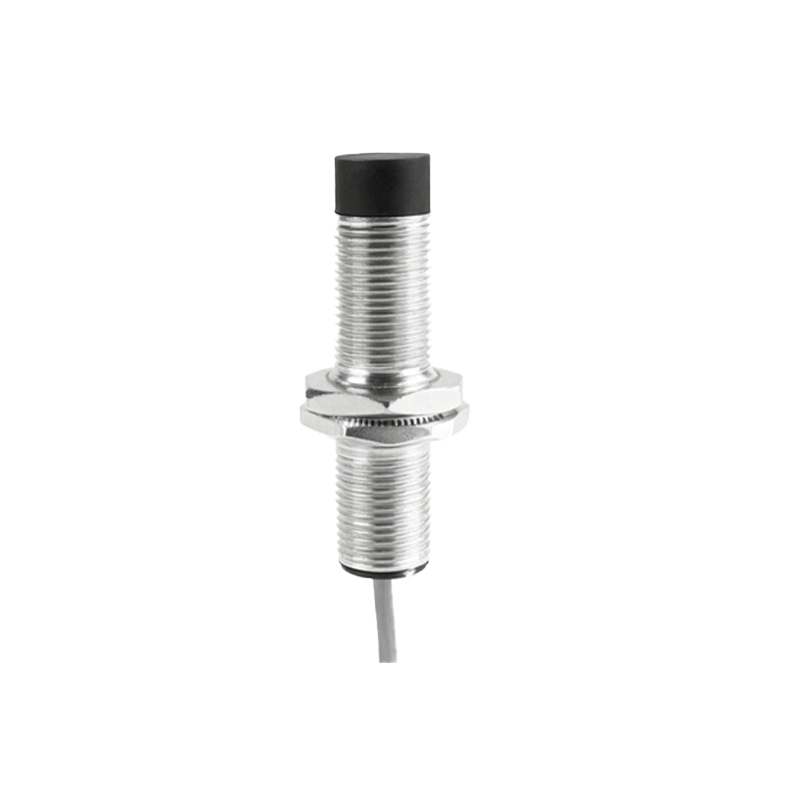
Aluminum is another lightweight conductive material found in some proximity sensors, especially where weight reduction is critical, like in aerospace or automotive robotics. It provides good conductivity and is often alloyed to improve strength. However, aluminum is prone to oxidation, which can affect performance if not properly anodized or shielded.
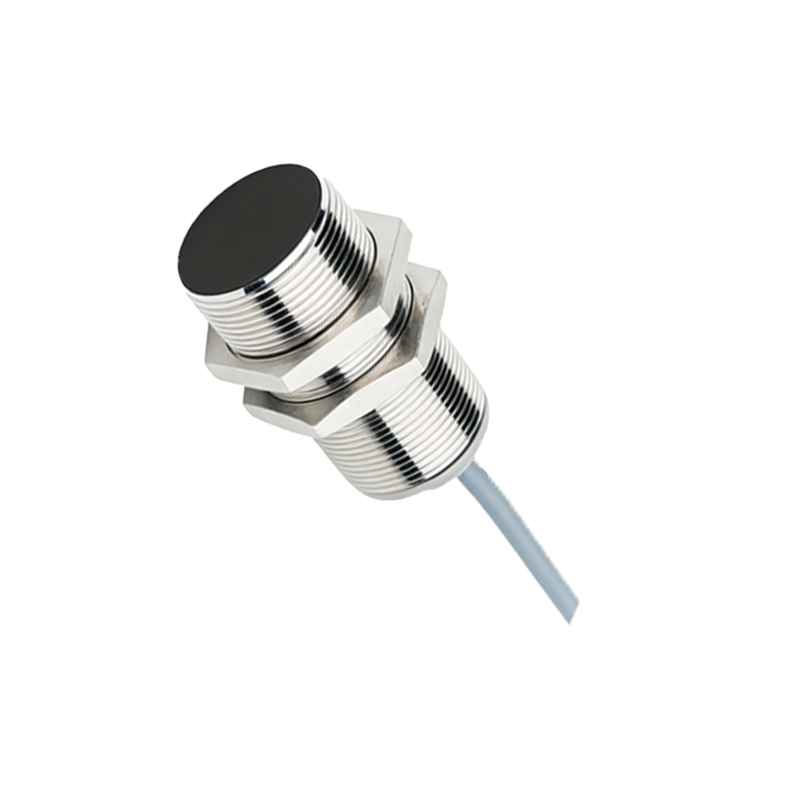
In high-frequency or precision applications, silver and gold are used as conductive coatings or plating on sensor components. Silver boasts the highest electrical conductivity among metals, enhancing sensitivity in high-speed detection systems, while gold offers superior corrosion resistance and stable contact in low-voltage circuits. These precious metals are typically applied as thin layers due to cost constraints, often in medical devices or laboratory equipment.
Advanced composites and conductive polymers are emerging materials in proximity sensor technology. Carbon-filled polymers or graphene-based composites provide flexibility, allowing sensors to be integrated into wearable tech or curved surfaces. They are less conductive than metals but offer unique advantages like shock resistance and design versatility, suitable for consumer electronics or innovative IoT devices.
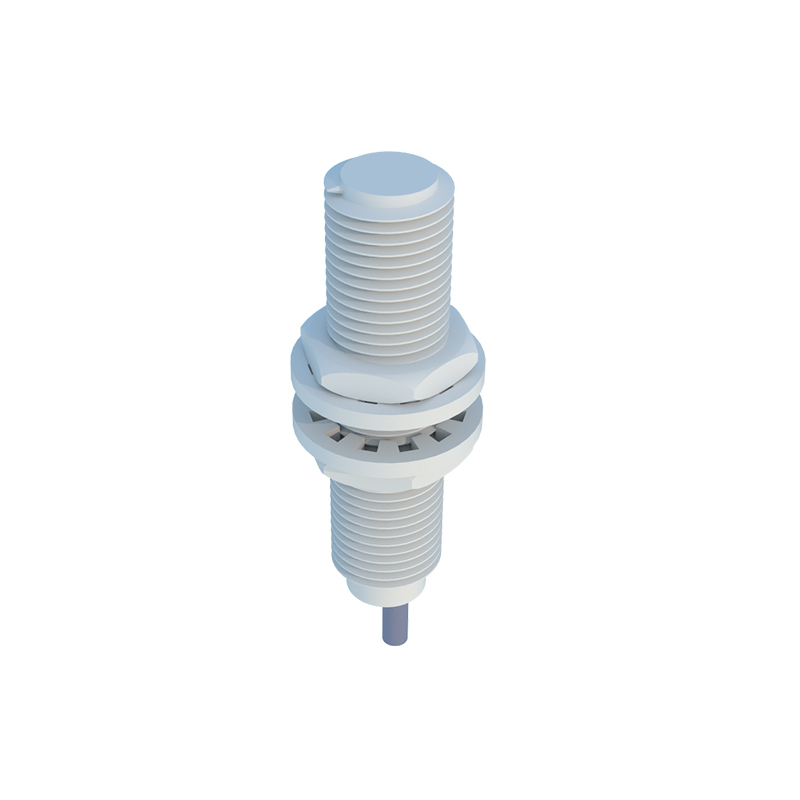
The choice of conductor also depends on the sensor type. Inductive sensors primarily detect metals, relying on ferrous materials like iron or steel for optimal performance, while non-ferrous metals like aluminum or copper may require adjusted sensing distances. Capacitive sensors, capable of detecting various materials, often use brass or nickel-plated conductors to balance conductivity and environmental resilience.
Environmental factors play a key role in material selection. In explosive atmospheres, sensors with intrinsically safe designs may use copper alloys with anti-sparking properties. For outdoor use, materials with UV resistance, such as certain stainless steels or coated brass, are preferred to prevent degradation.
In summary, proximity sensor conductors range from traditional metals like copper and stainless steel to advanced composites, each offering distinct benefits. Engineers must consider conductivity, environmental conditions, cost, and application-specific needs when designing or selecting sensors. As technology evolves, materials like conductive ceramics and nano-coatings are poised to further expand the capabilities of proximity sensing systems, driving innovation across industries from manufacturing to smart infrastructure.