In the realm of industrial automation, precision timing and reliable object detection are paramount. The integration of delay sensor control with proximity switches represents a sophisticated solution for complex sequencing and safety-critical applications. This technology moves beyond simple presence detection, enabling controlled, time-based responses to sensed objects.
A proximity switch, fundamentally, is a sensor that detects the presence or absence of an object without physical contact. Common types include inductive (for metals), capacitive (for various materials including liquids), and photoelectric switches. Their output is typically an instantaneous electrical signal—ON when an object is within the sensing range, OFF when it is not. However, many industrial processes require more than an immediate reaction. This is where delay control becomes essential.
Delay sensor control introduces a timing element to the proximity switch's output. This functionality can be implemented in two primary ways: On-Delay and Off-Delay. An On-Delay timer activates only after the input signal (from the proximity switch) has been continuously present for a preset time period. Conversely, an Off-Delay timer maintains the output signal for a set duration after the input signal ceases. This simple addition of timing logic dramatically expands application possibilities.
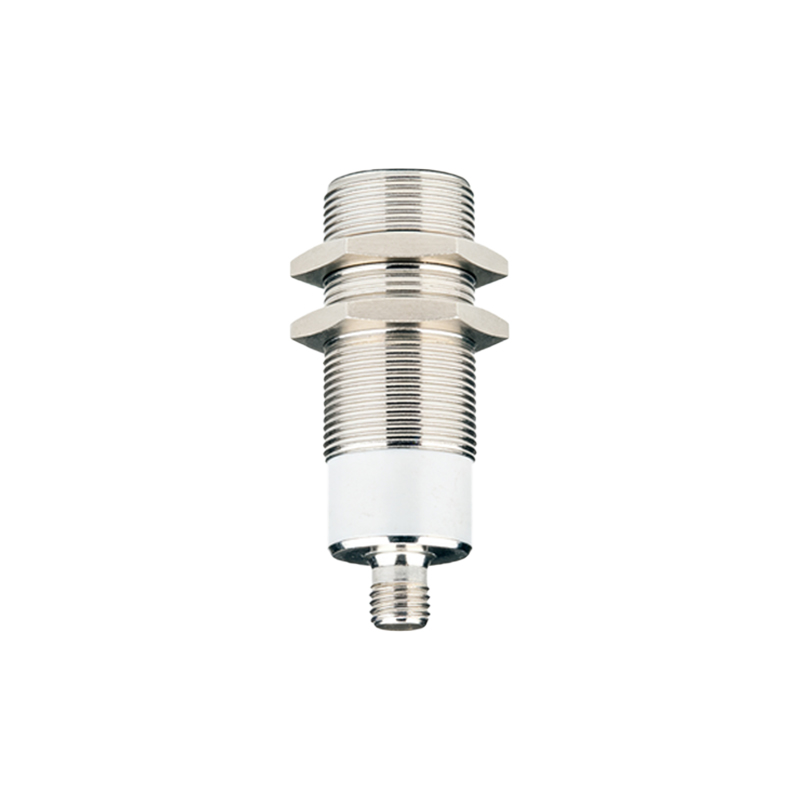
The implementation of delay control can be achieved through several methods. Many modern proximity switches come with built-in, configurable delay timers, often adjustable via potentiometers or digital interfaces. Alternatively, external timing relays or programmable logic controller (PLC) modules can be connected to standard proximity switches to provide highly customizable delay functions. The choice depends on the required precision, flexibility, and integration level with the broader control system.
Key applications of delay-controlled proximity switches are widespread across manufacturing and processing industries. In automated assembly lines, an On-Delay can be used to ensure a part is properly seated before a welding or riveting operation commences, preventing defects. For instance, a proximity switch detects a component in a fixture; a 2-second On-Delay allows for any vibration to settle before signaling the robot to weld. In conveyor sorting systems, an Off-Delay is crucial. A photoelectric switch detects a package on a moving belt. Even after the package passes, the Off-Delay keeps the divertor arm activated long enough to ensure complete ejection, accounting for the mechanical response time of the actuator.
Safety systems heavily rely on this technology. On light curtains or safety mats (a form of capacitive sensing), an Off-Delay can be applied to maintain a machine in a safe state for a predetermined time after an operator enters a hazardous zone, ensuring the equipment has fully stopped before access is permitted. In pump control, a capacitive proximity switch monitoring liquid level might use an On-Delay to prevent short-cycling. The pump only starts or stops if the level condition (high or low) persists for several seconds, ignoring temporary turbulence.
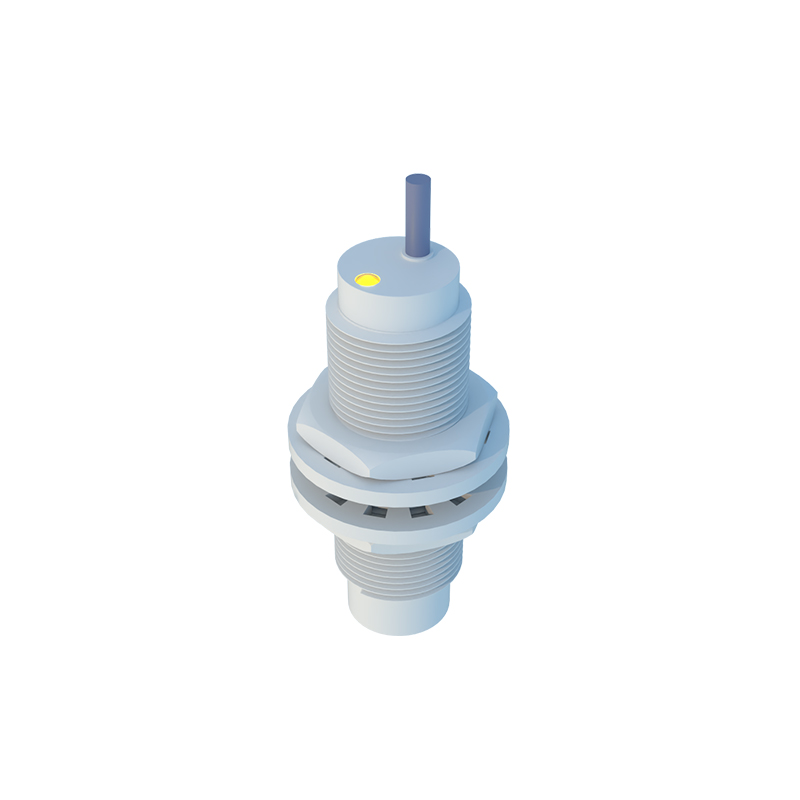
Designing a system with delay sensor control requires careful consideration. The selection of the proximity switch type (inductive, capacitive, photoelectric) must match the target object's material, size, and environmental conditions like dust, moisture, or temperature. The delay time must be calculated precisely, factoring in process speeds, mechanical latencies, and required safety margins. It is also critical to ensure that the delay function does not inadvertently compromise safety; emergency stop circuits must always override any timing functions with a direct, uninterruptible signal path.
Troubleshooting these systems involves a methodical approach. Common issues include incorrect delay settings, sensor misalignment leading to intermittent signals, or environmental interference affecting sensor stability. Using a multimeter or an oscilloscope to monitor the sensor's raw output versus the delayed output can quickly isolate whether the fault lies in the sensing element or the timing circuit. Regular maintenance, including cleaning sensor faces and verifying timing settings against process requirements, is essential for long-term reliability.
In conclusion, the marriage of delay control with proximity switch technology is a cornerstone of advanced industrial automation. It transforms a basic detection device into an intelligent component capable of managing time-dependent logic directly at the sensor level. This enhances process reliability, improves product quality, and bolsters operational safety. As Industry 4.0 drives towards more decentralized and responsive control architectures, the role of such smart, timing-enabled sensors will only become more pronounced, offering greater flexibility and efficiency on the factory floor.