In the world of modern electronics, a tiny, often unnoticed component plays a crucial role in enabling intuitive and efficient user interactions: the proximity sensor. At its core, the function of a proximity sensor is to detect the presence or absence of nearby objects without any physical contact. This ability to sense "nearness" is fundamental to countless devices we use daily, from smartphones to industrial machinery. Understanding how this sensor works reveals the elegant simplicity and sophisticated engineering behind seamless technology.
The primary operating principle of most proximity sensors involves emitting an electromagnetic field or a beam of radiation, such as infrared light, and then looking for changes in the field or the return signal. The most common type found in consumer electronics is the infrared (IR) proximity sensor. It typically consists of an IR LED that emits an infrared beam and a photodiode or phototransistor that detects the light reflected back from an object. When an object comes close, the reflected infrared light is detected, triggering the sensor's output to change state. This simple "emit and detect" mechanism is remarkably effective for short-range detection, usually up to a few centimeters.
Another prevalent type is the capacitive proximity sensor. Instead of light, it uses an electrostatic field. The sensor generates an oscillating electromagnetic field from its sensing face. When a conductive or dielectric object enters this field, it causes a detectable change in the field's capacitance, which the sensor's circuitry interprets as the presence of an object. These sensors are excellent for detecting materials like metal, liquid, or even a human hand, making them versatile for various applications beyond simple presence detection.
The function extends beyond mere detection to enabling specific, user-centric features. In a smartphone, the proximity sensor's primary role is to conserve power and prevent accidental screen touches. During a phone call, when you bring the device close to your ear, the sensor detects your head and automatically turns off the display. This not only saves battery but also stops your cheek from inadvertently muting the call or pressing buttons. Furthermore, it is integral to features like auto-brightness adjustment and gesture control in some devices, where a hand wave near the sensor can command an action.
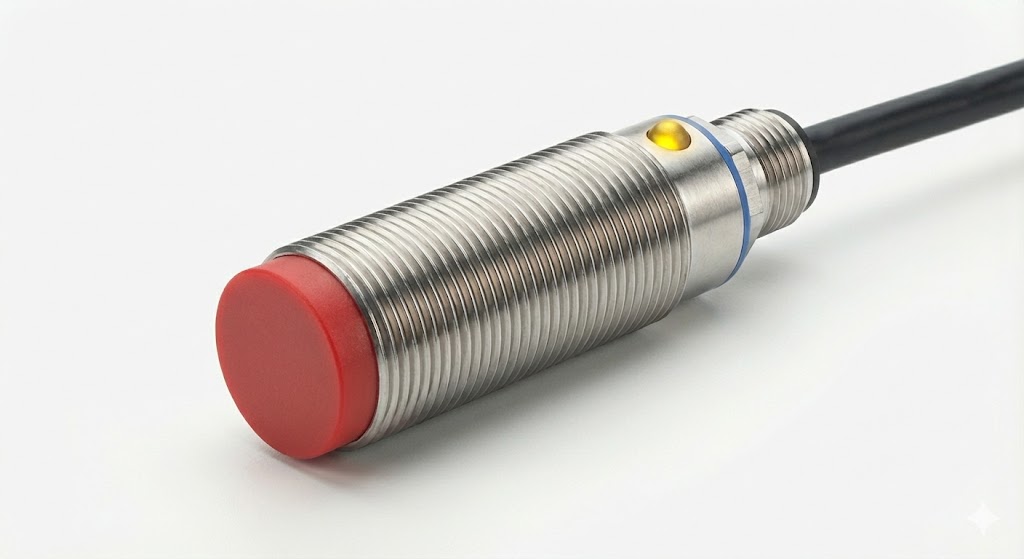
Industrial and automotive applications rely heavily on robust proximity sensing. On factory assembly lines, inductive proximity sensors, which detect metallic objects, are used for precise positioning, counting, and safety interlocks. They ensure machinery operates only when a component is correctly placed, preventing damage and accidents. In the automotive sector, these sensors are part of parking assistance systems, detecting obstacles near the vehicle's bumper and alerting the driver with audible signals. They also enable keyless entry systems, unlocking doors when an authorized key fob is sensed in proximity.
The advantages of using proximity sensors are manifold. Their non-contact nature means no physical wear and tear from mechanical switching, leading to higher reliability and a longer operational lifespan. They can detect objects irrespective of color, transparency, or surface texture (depending on the type), and they operate effectively in challenging environments where dirt, dust, or moisture would hinder mechanical switches. Their response time is exceptionally fast, allowing for high-speed automation processes.
However, their function is not without limitations. Environmental factors like ambient light can interfere with optical sensors, while extreme temperatures might affect performance. The sensing range is typically limited, and the material composition of the target object can influence detection accuracy. For instance, a standard IR sensor may struggle with very dark objects that absorb infrared light, and an inductive sensor will only respond to metals. Therefore, selecting the right type of sensor—infrared, capacitive, inductive, or ultrasonic—for the specific application and environment is critical.
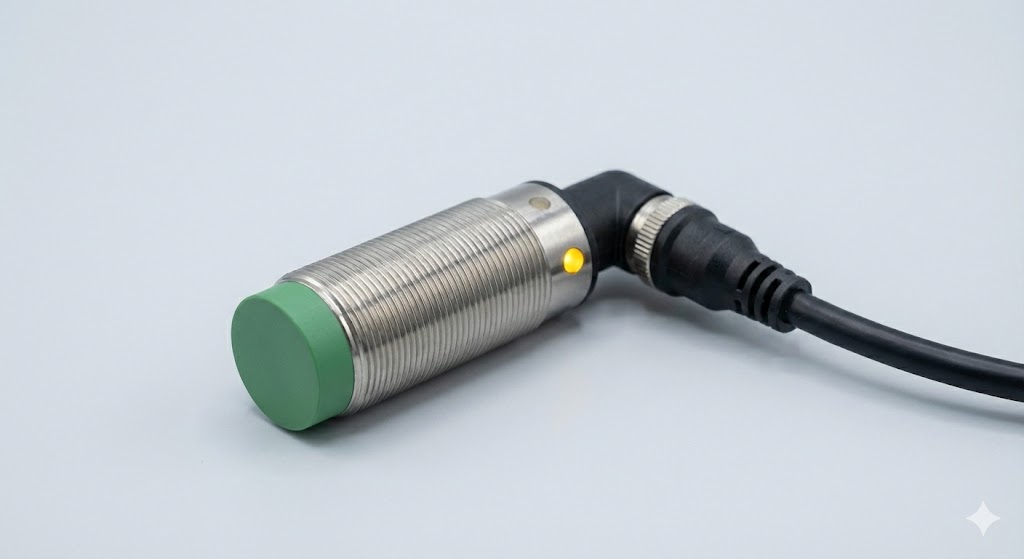
Looking forward, the function of proximity sensors continues to evolve with advancements in technology. Integration with time-of-flight (ToF) sensors allows for more precise distance measurement, not just presence detection. Miniaturization is pushing these components into even smaller wearable devices and Internet of Things (IoT) modules. Furthermore, the development of sensor fusion, where data from a proximity sensor is combined with inputs from accelerometers, gyroscopes, and cameras, is creating more context-aware and intelligent systems.
In conclusion, the proximity sensor function is a cornerstone of interactive and automated technology. By performing the seemingly simple task of detecting nearby objects, it enables a layer of intelligence that makes devices more power-efficient, user-friendly, and safe. From silencing your phone screen during a call to ensuring the smooth operation of a robotic arm, this unassuming sensor works silently in the background, proving that great functionality often comes in the smallest packages.