In the world of industrial automation and machine safety, proximity switch sensors are the silent sentinels, enabling non-contact detection of objects with remarkable precision and reliability. Unlike mechanical limit switches, these devices operate without physical contact, leading to longer lifespans, higher switching speeds, and minimal maintenance. Understanding the different proximity switch sensor models is crucial for selecting the right technology for your specific application, whether it's on a high-speed packaging line, within a robotic cell, or embedded in automotive assembly machinery.
The foundational principle behind all proximity sensors is the generation of an electromagnetic field or beam. When a target object enters this field, it causes a change in the field's state, which is detected by the sensor's internal circuitry, triggering an output signal. The nature of this field defines the primary categories of sensor models.
Inductive proximity sensors are the workhorses for detecting metallic objects. They generate an oscillating electromagnetic field from a coil wound around a ferrite core. When a ferrous or non-ferrous metal target enters this field, it induces eddy currents, causing a change in oscillation amplitude. This change is detected, and the sensor switches its output. Common models within this category include shielded (flush-mountable) and unshielded (non-flush) types, each with distinct mounting and sensing range characteristics. They are ubiquitous in machine tools for part positioning, in conveyor systems for counting metal parts, and as safety interlocks.
For non-metallic targets—such as wood, plastic, glass, liquids, and granular materials—capacitive proximity sensors are the preferred model. These sensors function like an open capacitor. One plate is the sensor's active surface, and the other is the external ground. The sensor generates an electrostatic field. When any material with a dielectric constant different from air enters the field, it increases the capacitance, triggering the switch. Advanced models allow for sensitivity adjustment to ignore certain materials (like a container wall) and sense the material inside. They are essential in level detection for tanks, liquid presence verification, and material handling of non-metals.
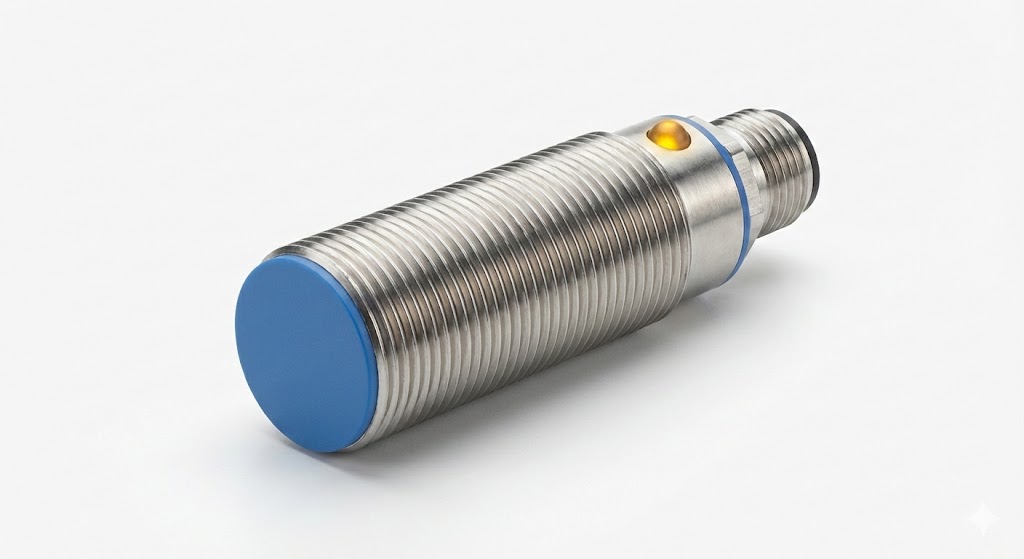
A third major category is the photoelectric proximity sensor model. These operate by emitting a beam of light (visible red, infrared, or laser) and detecting its reflection or interruption. They are further subdivided into three main operating modes. Through-beam models consist of separate emitter and receiver units; detection occurs when the target breaks the light beam, offering the longest sensing ranges. Retro-reflective models use a single unit and a reflector; the target is detected when it interrupts the beam reflected back. Diffuse (proximity-mode) models rely on the target itself to reflect light back to the receiver housed in the same unit, making them compact and easy to install. Photoelectric sensors are incredibly versatile, used for detecting objects of almost any material, color registration, and even transparent bottle detection on filling lines.
While less common for general proximity tasks, ultrasonic sensors form a distinct model category based on sound waves. They emit high-frequency ultrasonic pulses and measure the time for an echo to return. The distance to the target is calculated based on the speed of sound. These sensors excel in applications requiring precise distance measurement or level sensing of bulk solids, transparent objects, or liquids in challenging environments with dust or vapor, where optical sensors might fail.
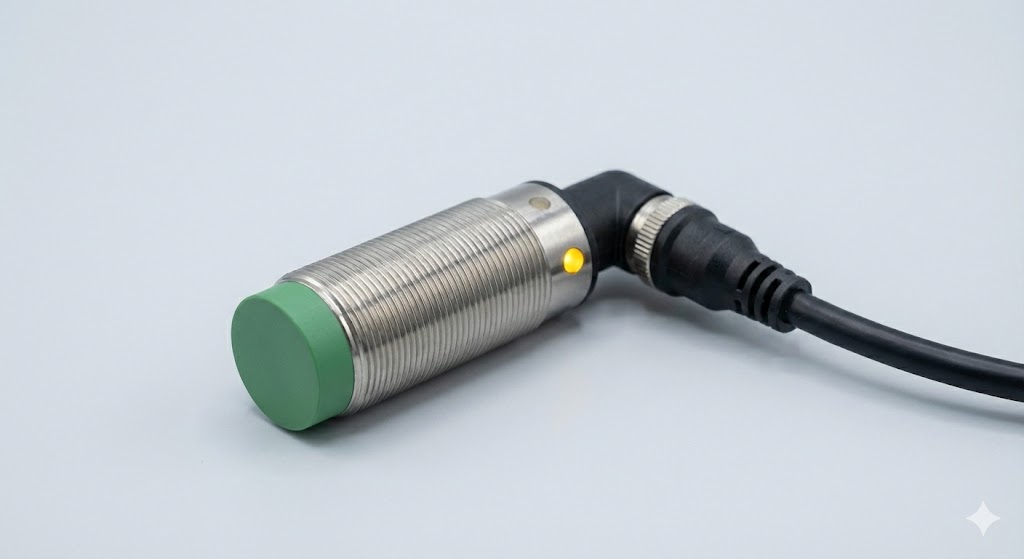
Key selection criteria beyond the core technology include the sensor's physical form factor (cylindrical, rectangular, block-style), sensing range, output type (PNP/NPN transistor, analog, IO-Link), and environmental ratings like IP67 for dust and water resistance. Modern models increasingly feature smart diagnostics and connectivity via industrial networks.
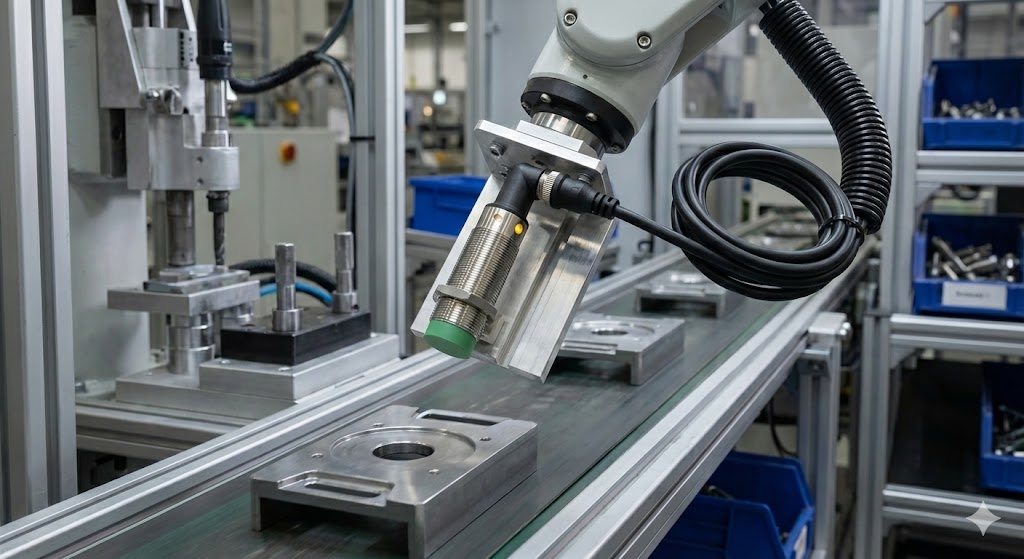
In conclusion, the optimal proximity switch sensor model is not a one-size-fits-all solution. It is a deliberate choice based on the target material, required sensing distance, environmental conditions, and electrical interface. From robust inductive switches sensing metal gears to sensitive capacitive models monitoring fluid levels and versatile photoelectric eyes ensuring packaging accuracy, each model plays a pivotal role in building smarter, safer, and more efficient automated systems. A thorough understanding of these models empowers engineers and technicians to implement the most reliable and cost-effective sensing solution.