In the realm of industrial automation and control systems, photoelectric proximity sensors stand as indispensable components for non-contact detection. These devices operate by emitting a beam of light—typically infrared, visible red, or laser—and detecting changes in the received light to sense the presence, absence, or distance of an object. Unlike inductive or capacitive sensors, photoelectric sensors are not limited to detecting metallic objects; they can reliably sense a vast array of materials including plastics, glass, wood, and liquids, provided the object affects the light beam. This versatility makes them a cornerstone in diverse applications from packaging and material handling to automotive assembly and pharmaceutical production.
The operational principle hinges on the modulation and reception of light. An emitter (light source) sends out a modulated light signal to minimize interference from ambient light. A receiver, often a phototransistor or photodiode, then captures the light. The sensor's output state changes based on how the target object interacts with this light beam. The core advantage lies in their ability to achieve long sensing ranges—from a few millimeters up to several tens of meters for some specialized models—with high precision and fast response times, often in the microsecond range.
The extensive family of photoelectric proximity sensors can be primarily categorized into four fundamental types based on their optical design and light path configuration:
1. Through-Beam Sensors (Also known as Opposed Mode): This configuration consists of two separate units: an emitter and a receiver, positioned opposite each other. The emitter projects a continuous beam directly to the receiver. Detection occurs when an object interrupts this beam. This type offers the longest possible sensing range and highest reliability, as it is less susceptible to the object's surface color, reflectivity, or angle. It is ideal for precise detection in challenging environments, such as detecting small parts or ensuring safety curtains on machinery.
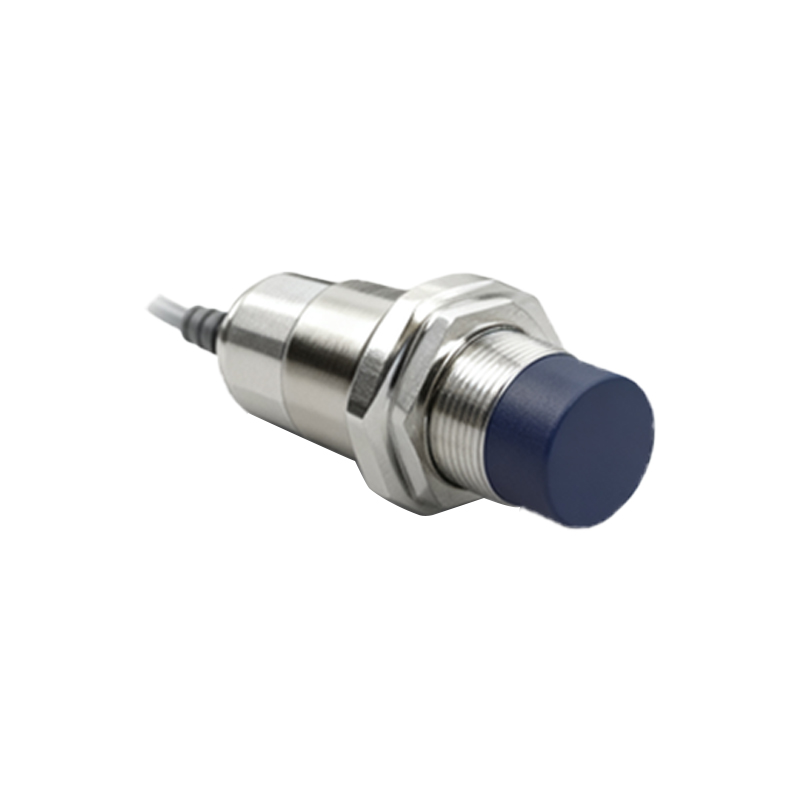
2. Retroreflective Sensors: Here, a single housing contains both the emitter and receiver. The device emits light toward a specially designed reflector (corner-cube reflector) that returns the beam directly back to the receiver. An object is detected when it breaks this reflected light path. This type provides a good balance of range and ease of installation, as only one sensor unit needs wiring, with a reflector mounted on the opposite side. A key feature is the use of polarizing filters to prevent the sensor from being "fooled" by shiny objects that might otherwise reflect light like the target reflector.
3. Diffuse Reflective Sensors (Proximity Mode): In this common type, the emitter and receiver are also housed together. The sensor detects an object by relying on the diffuse reflection of its emitted light from the object's surface back to the receiver. The sensing distance is therefore dependent on the object's size, color, and surface texture—lighter, more reflective surfaces can be detected from farther away. These are widely used for presence detection, object counting, and level sensing where installing a separate reflector or receiver is impractical.
4. Background Suppression (BGS) / Fixed-Field Sensors: A sophisticated variant of diffuse sensors, BGS sensors use triangulation principles to define a very precise sensing field. They can reliably detect an object within a specific distance while ignoring any background beyond that set point, regardless of the background's color or reflectivity. This is crucial for applications like detecting transparent bottles on a conveyor belt or ensuring a robot gripper is at the correct distance from a part.
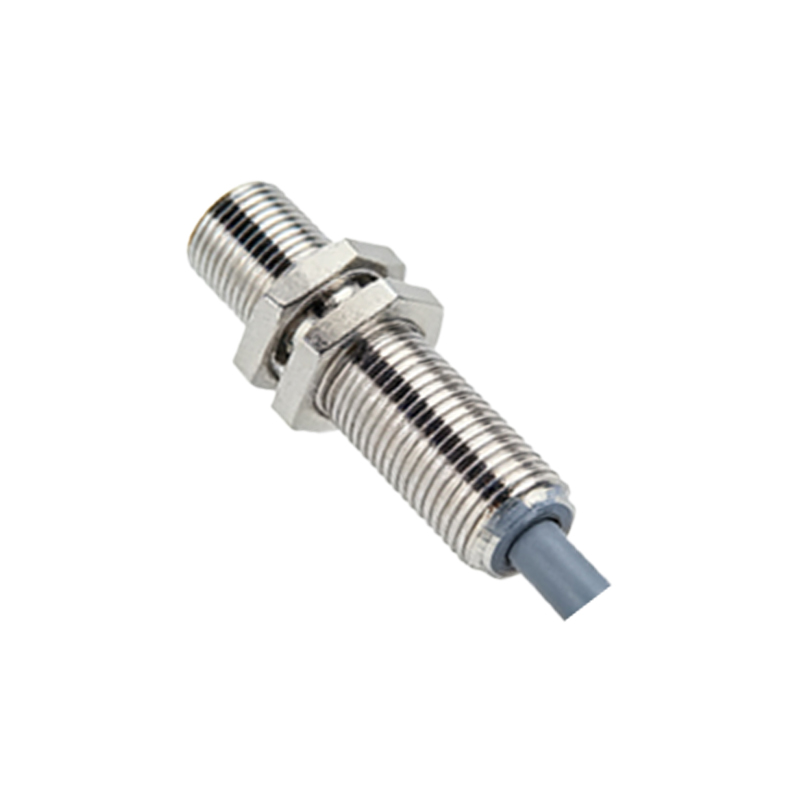
Beyond these core types, specialized versions exist. Fiber-Optic Sensors use flexible light guides to deliver and collect light, allowing the sensing head to be placed in extremely tight, hot, or hazardous spaces. Laser Sensors utilize a focused laser beam for exceptionally precise detection or measurement over long distances. Color Mark Sensors are tuned to detect specific color contrasts.
Selecting the appropriate photoelectric sensor requires careful consideration of several factors: the required sensing range, the physical and optical properties of the target object (size, color, material, transparency), the environmental conditions (dust, moisture, ambient light, temperature), the required output type (PNP/NPN, analog, IO-Link), and the necessary response speed. Proper alignment, regular lens cleaning to prevent contamination, and shielding from intense ambient light are essential for maintaining optimal performance.
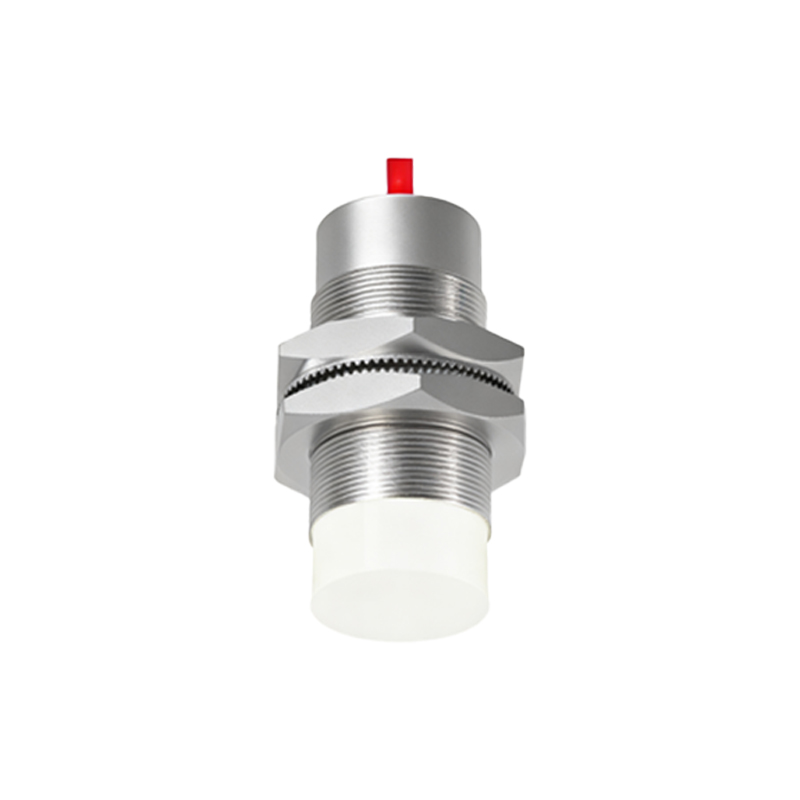
In conclusion, photoelectric proximity sensors offer a flexible and powerful solution for non-contact object detection. Understanding the distinct characteristics of through-beam, retroreflective, diffuse, and background suppression types enables engineers and system integrators to select the optimal sensor for their specific application, thereby enhancing system reliability, efficiency, and intelligence in modern automated processes.