Proximity sensors are indispensable components in modern industrial automation, providing non-contact detection of objects within their sensing range. These devices play a critical role in enhancing efficiency, safety, and precision across various applications, from manufacturing lines to robotics and automotive systems. Unlike mechanical switches, proximity sensors operate without physical contact, thereby reducing wear and tear and minimizing maintenance requirements.
There are several types of proximity sensors, each utilizing different technologies to detect objects. Inductive proximity sensors are widely used for detecting metallic objects. They generate an electromagnetic field and sense changes caused by metallic targets. These sensors are highly reliable in harsh environments, resistant to dust, moisture, and vibrations, making them ideal for heavy industrial settings. Capacitive proximity sensors, on the other hand, can detect both metallic and non-metallic materials, including liquids, plastics, and wood. They work by measuring changes in capacitance when an object enters their electrostatic field. This versatility makes them suitable for applications like level detection or material handling.
Ultrasonic proximity sensors use sound waves to detect objects, measuring the time it takes for an echo to return after emitting a high-frequency pulse. They are effective for detecting objects regardless of color, transparency, or material, and are commonly used in distance measurement and obstacle detection. Photoelectric sensors, another popular category, employ light beams to sense objects. They can be configured in through-beam, retro-reflective, or diffuse reflection modes, offering flexibility for various detection needs, such as counting products on a conveyor belt or detecting transparent materials.
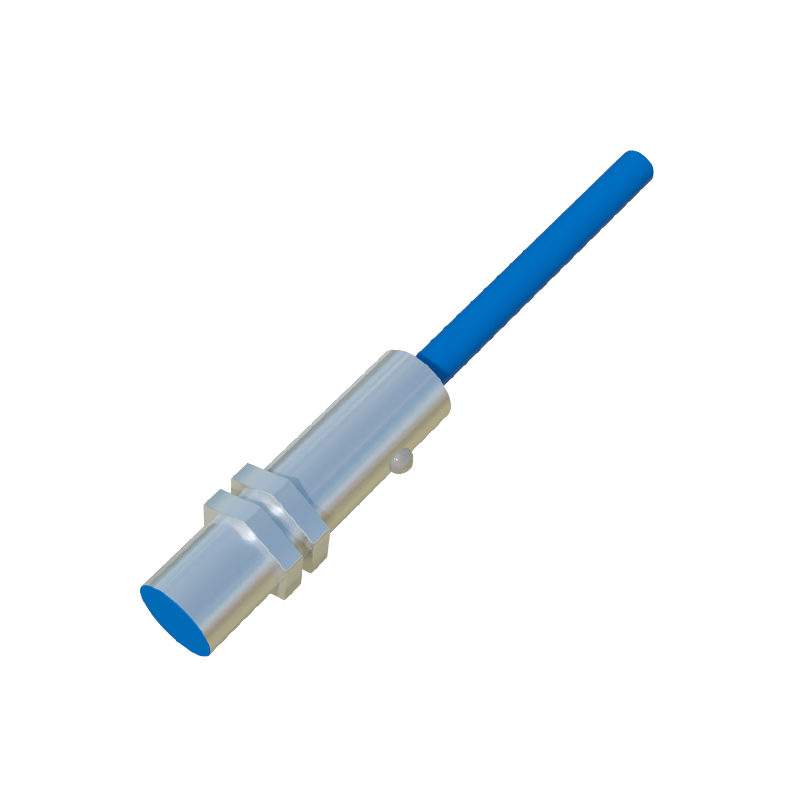
The selection of a proximity sensor depends on multiple factors, including the target material, sensing distance, environmental conditions, and required output. Key specifications to consider include sensing range, response time, output type (e.g., NPN, PNP, analog, or digital), and housing material. For instance, in high-temperature environments, sensors with robust housings like stainless steel or PTFE coatings are preferred to ensure durability. Additionally, modern proximity sensors often feature advanced functionalities such as IO-Link communication, enabling real-time data exchange and diagnostics for Industry 4.0 applications.
Installation and alignment are crucial for optimal sensor performance. Proper mounting, avoiding interference from adjacent metal objects or other sensors, and regular calibration can prevent false triggers and ensure accuracy. In automated systems, proximity sensors contribute to process control by providing feedback for positioning, sequencing, and safety interlocks. For example, in robotic arms, they help detect the presence of components, preventing collisions and ensuring smooth operation.
Despite their advantages, proximity sensors face challenges like sensing limitations in extreme temperatures or highly corrosive environments. However, ongoing advancements in technology, such as the development of M12 and M8 micro sensors with enhanced sensitivity, are addressing these issues. The integration of smart sensors with IoT platforms further expands their capabilities, allowing predictive maintenance and remote monitoring.
In conclusion, proximity sensors are vital tools in industrial automation, offering reliable, non-contact detection solutions. By understanding their types, applications, and selection criteria, engineers can optimize system performance and drive innovation in various sectors. As industries evolve toward greater automation and connectivity, the role of proximity sensors will continue to grow, underpinning efficient and safe operations worldwide.