In the intricate world of industrial automation and control systems, proximity sensors, often referred to as proximity switches, stand as fundamental components enabling non-contact detection and precise operational control. Their primary function is to detect the presence or absence of a target object within a specified sensing range without any physical contact. This non-contact nature is their defining characteristic, leading to enhanced reliability, reduced mechanical wear, and longer operational lifespans compared to traditional mechanical limit switches.
The core functionality hinges on the emission of an electromagnetic field or a beam of electromagnetic radiation (such as infrared light). When a target object enters this field, it causes a change in the sensor's own state or the oscillation circuit. This change is then processed by the sensor's internal circuitry, which subsequently triggers a solid-state output signal. This output, typically in the form of a switched DC voltage (PNP or NDP sourcing/sinking), is used to control a relay, PLC input, or other control devices, initiating actions like stopping a conveyor, counting parts, or verifying positioning.
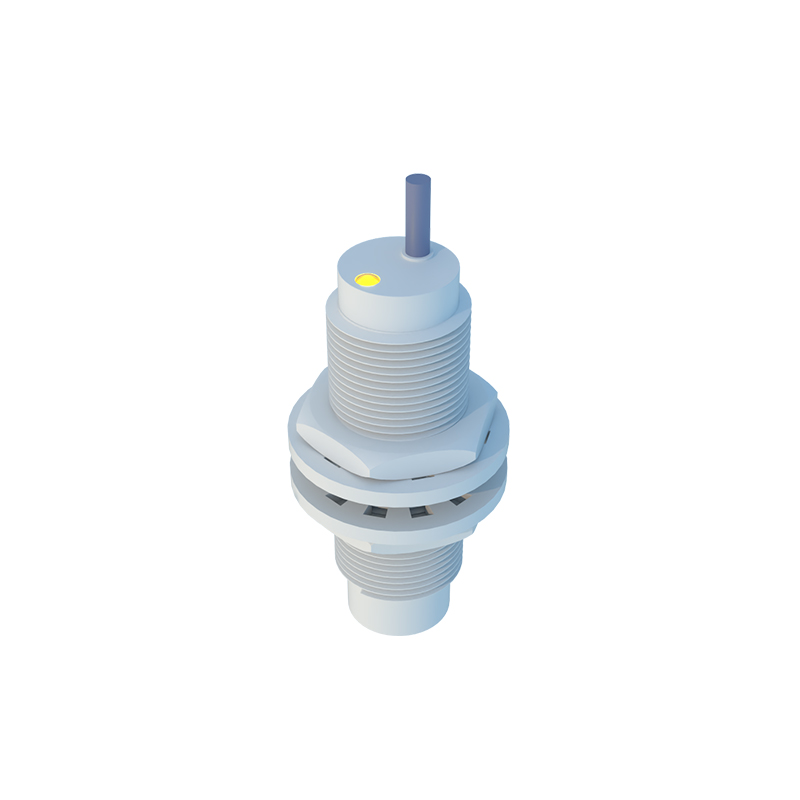
Several key technologies define the major categories of proximity sensors, each suited for specific applications based on target material and environmental conditions. Inductive proximity sensors are the most common type, generating an oscillating electromagnetic field. They exclusively detect metallic objects (ferrous and non-ferrous, with varying sensing distances). When a metal target enters the field, it induces eddy currents, which dampen the oscillation amplitude, triggering the output switch. These are ideal for detecting metal parts in machinery, such as in CNC machine tool positioning or robotic arm end-effector confirmation.
Capacitive proximity sensors, on the other hand, can detect both metallic and non-metallic materials, including liquids, powders, plastics, and wood. They function by generating an electrostatic field. Any object with a dielectric constant different from air entering this field alters the capacitance of the sensor's circuit, prompting a state change. This makes them invaluable in industries like food and beverage for liquid level detection, or in packaging for detecting plastic or glass containers on a line.
Ultrasonic proximity sensors utilize sound waves beyond the human hearing range. They emit ultrasonic pulses and measure the time taken for the echo to return from a target object. This time-of-flight principle allows them to detect objects of virtually any material, solid or liquid, and can also provide distance information (analog output). They excel in challenging environments with dust, moisture, or varying colors that might confuse optical sensors, such as in bulk material level monitoring or transparent object detection.
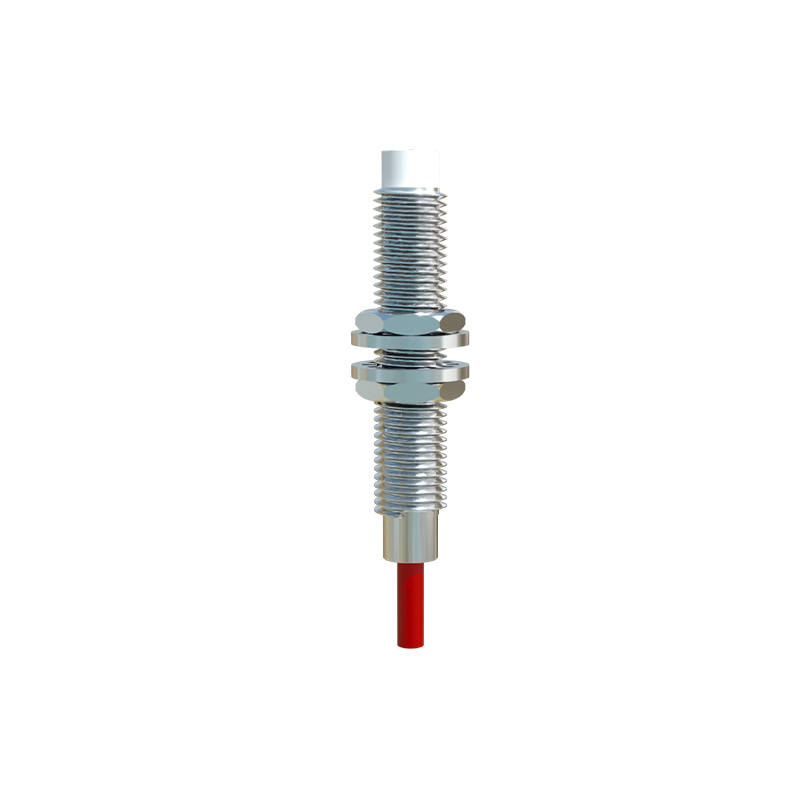
Photoelectric sensors, while sometimes categorized separately, function as proximity devices. They consist of an emitter (usually an LED producing visible red, infrared, or laser light) and a receiver. The presence of an object is detected by either interrupting the light beam (through-beam), reflecting light back to a receiver housed in the same unit (retro-reflective), or diffusing light from the target back to the receiver (diffuse reflective). They offer very long sensing ranges and are perfect for detecting small objects or for use in clean environments.
The selection of an appropriate proximity switch depends on numerous factors beyond just the target material. Key specifications include sensing distance (rated and effective), repeat accuracy, response frequency, output type (NPN/PNP, NO/NC), housing material (e.g., nickel-plated brass, stainless steel for washdown), and environmental ratings like IP67/IP69K for protection against water and dust. Proper installation is also critical, ensuring adequate clearance from metal surrounds (flush or non-flush mounting specifications) to prevent false triggering.
In modern smart factories, the role of proximity sensors is expanding. With the integration of IO-Link communication, these devices transcend simple binary switching. They can provide detailed diagnostic data, such as operating temperature, signal strength, or parameterization for adjustment of sensing distance, directly to the control system, facilitating predictive maintenance and flexible production lines. Their fundamental function remains detection, but their contribution to system intelligence, efficiency, and safety continues to grow, solidifying their status as indispensable eyes and touchpoints of automated industrial machinery.