In the realm of industrial automation and machine control, proximity switch sensors are indispensable components for non-contact detection. At the heart of their performance and durability lies a critical element: the metal head. This component is far more than a simple protective housing; it is a meticulously engineered interface that defines the sensor's capabilities, resilience, and suitability for specific harsh environments.
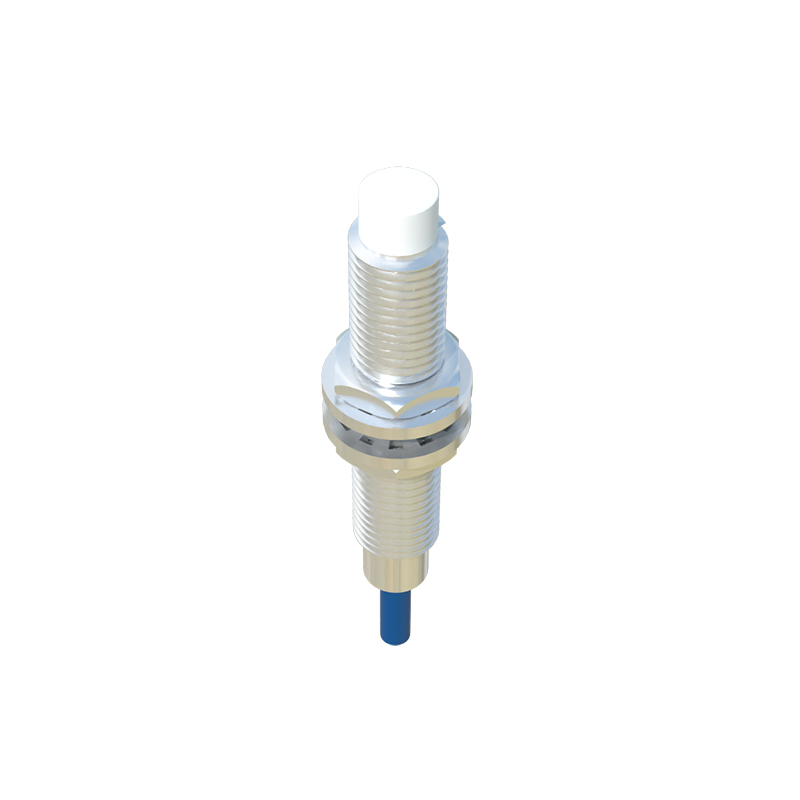
The primary function of the metal head is to house and protect the sensor's core sensing element—typically an oscillator, coil, and detection circuit. It acts as a robust shield against physical impact, abrasion, and environmental contaminants like dust, chips, and coolants. However, its role extends significantly beyond mere protection. The metal head's material, shape, and design directly influence the sensor's electromagnetic field, its sensing range, and its resistance to various types of interference.
Material selection for the metal head is a cornerstone of sensor engineering. Stainless steel, particularly grades like 303, 304, and 316, is the most prevalent choice. Grade 304 offers excellent general corrosion resistance, making it suitable for most factory environments. For applications involving exposure to chlorides or aggressive chemicals, such as in food processing, marine, or chemical plants, grade 316 stainless steel provides superior pitting and crevice corrosion resistance. For highly abrasive environments, hardened stainless steel or specially coated heads are employed to prevent wear that could otherwise alter the sensing characteristics. In rare cases where non-ferrous detection is critical, brass or aluminum heads may be used, but their application is niche due to lower mechanical strength.
The geometry of the metal head is equally crucial. Standard cylindrical heads (threaded barrels) are common, but flat, rectangular, or ring-shaped heads serve specific purposes. A flush-mountable head, for instance, can be embedded into a metal bracket without losing its sensing capability, a feature non-flush heads cannot offer. This design prevents damage from lateral forces and allows for installation in tight spaces. The shape also dictates the direction and shape of the sensing field. Engineers must carefully consider the target's approach direction when selecting the head shape to ensure reliable and consistent detection.
A key technical aspect is the "correction factor" associated with metal heads when sensing different target materials. A sensor calibrated for mild steel will have a reduced effective sensing distance when detecting stainless steel, aluminum, or copper. This reduction is quantified by a correction factor (often 0.5 for stainless steel, 0.4 for aluminum, and 0.3 for copper). The design and material of the metal head itself are optimized to provide stable and predictable performance across these variations, and datasheets always specify sensing ranges relative to standard mild steel.
Installation and environmental considerations are paramount. Proper mounting, ensuring the correct clearance around the head (as per manufacturer specifications), is essential to prevent false triggers caused by surrounding metal. In high-temperature applications, the thermal expansion characteristics of the metal head must be compatible with the sensor's internal components to prevent failure. For welding environments, sensors with special weld-field immune metal heads are necessary to withstand the intense electromagnetic interference generated by welding equipment.
Selecting the right proximity sensor with the appropriate metal head requires a systematic analysis of the application: Target material, required sensing distance, environmental conditions (temperature, chemicals, washdown requirements), electrical requirements (AC/DC, output type), and physical space constraints. A sensor with a V4A (316 stainless) flush-mounted head, for example, would be specified for a hygienic bottling line requiring frequent caustic washdowns, while a hardened-steel, non-flush head might be chosen for a rugged metal stamping press.
In conclusion, the metal head of a proximity switch sensor is a sophisticated, application-defining component. Its design embodies a balance between electromagnetic performance, mechanical resilience, and environmental compatibility. Treating it as a simple accessory is a critical oversight. A deep understanding of metal head technology enables maintenance engineers, machine designers, and plant operators to specify sensors that deliver maximum reliability, longevity, and precision, thereby minimizing downtime and optimizing automated system performance. The correct choice ensures not just detection, but dependable, maintenance-free operation under the demanding conditions of modern industry.