In the realm of industrial automation and control systems, proximity sensors stand as fundamental components for non-contact detection. Among the various configurations available, 220V AC proximity sensors represent a critical category, designed to interface directly with standard industrial power supplies prevalent in many regions. This article delves into the operational principles, key specifications, application considerations, and best practices for deploying 220V AC proximity sensors effectively and safely.
A 220V AC proximity sensor is an electronic device that detects the presence or absence of a target object without physical contact, operating on a 220-240 Volt Alternating Current power supply. The core technology can be inductive, capacitive, or photoelectric, with inductive types being the most common for metallic object detection in high-voltage AC setups. Inductive sensors generate an electromagnetic field. When a metallic object enters this field, it causes a change in the field's oscillation, which the sensor's circuitry detects and converts into a switching signal. For 220V AC models, this output signal is typically a solid-state or relay output that can directly switch 220V AC loads, such as contactor coils, solenoid valves, or indicator lamps, simplifying control cabinet design by often eliminating the need for an intermediate relay.
The primary advantage of using a 220V AC sensor lies in its direct compatibility with main power lines. This simplifies wiring in panels where the control circuit logic is also powered at 220V AC. Key specifications for engineers to consider include:
Sensing Distance: The nominal range at which the sensor can reliably detect a standard target. This is typically short for inductive sensors (e.g., 2mm to 40mm).
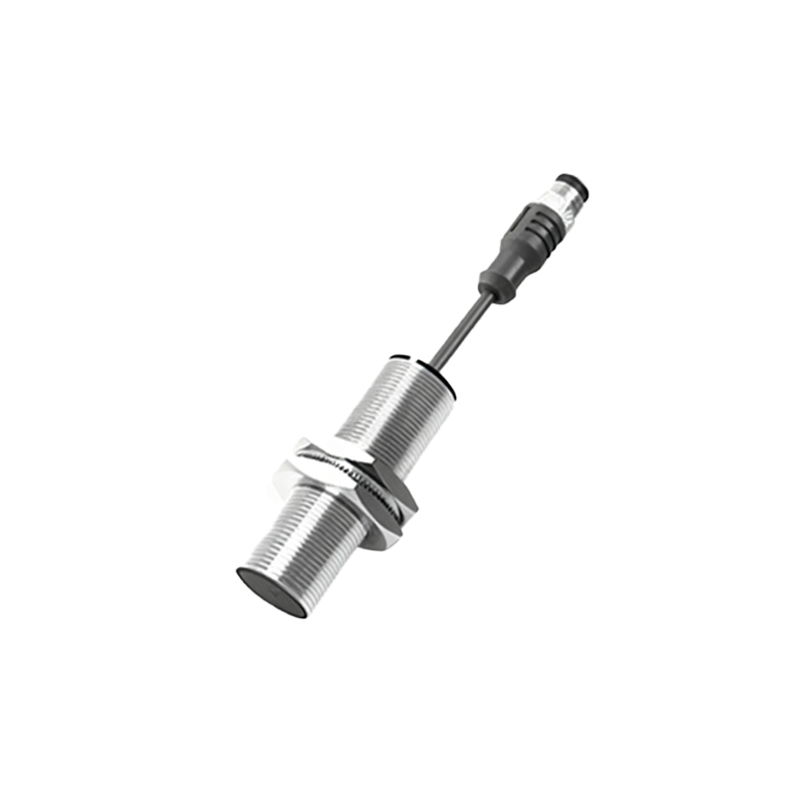
Output Type: Common configurations include Normally Open (NO), Normally Closed (NC), or complementary outputs. The switching element is crucial—Triac outputs are standard for AC models.
Enclosure Rating: Given industrial environments, a high Ingress Protection (IP) rating like IP67 is essential for resistance to dust and temporary immersion, ensuring longevity.
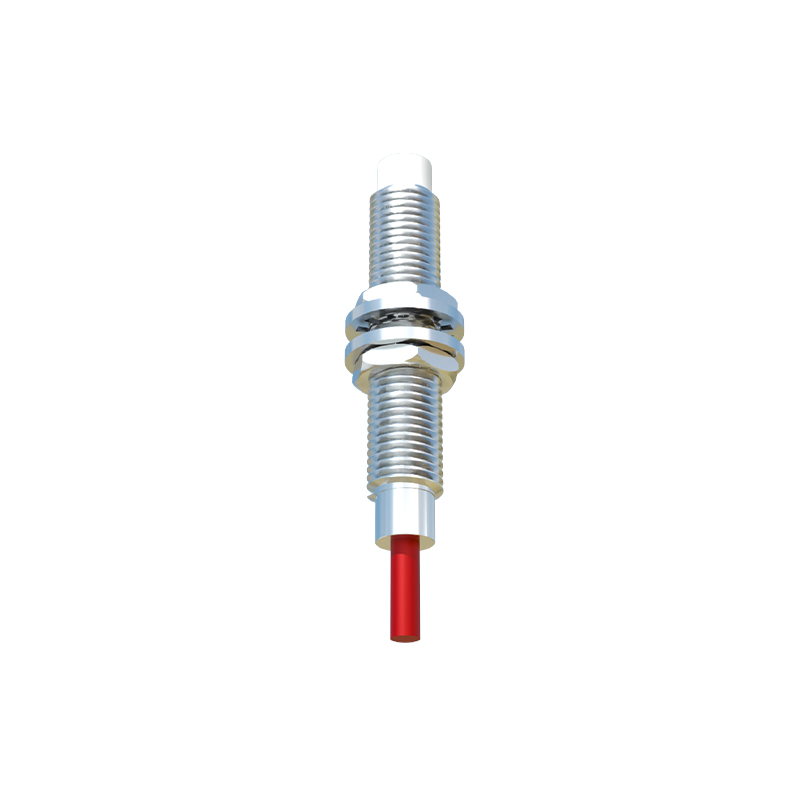
Electrical Connection: Options include pre-wired cables, quick-disconnect (M12, M8) connectors, or terminal blocks for direct wiring.
Mounting: Cylindrical (e.g., M8, M12, M18, M30) or rectangular form factors with specific flush or non-flush mounting capabilities.
When integrating 220V AC proximity sensors, safety and correct application are paramount. Always adhere to the manufacturer's datasheet and local electrical codes. Key considerations include:
1. Electrical Safety: Installation, wiring, and maintenance must be performed by qualified personnel with power isolated and locked out/tagged out (LOTO). Proper grounding is non-negotiable.
2. Load Characteristics: Ensure the sensor's maximum switching current and voltage ratings are not exceeded. Consider inrush currents from inductive loads like contactors. Using a protective RC snubber circuit across the load is often recommended to suppress voltage spikes and protect the sensor's internal switching element.
3. Environmental Factors: Temperature extremes, strong electromagnetic fields, corrosive chemicals, or excessive vibration can affect performance. Select sensors with appropriate housing materials (e.g., stainless steel, PBT plastic) and ratings for the specific environment.
4. Interference and Wiring: Keep signal and high-power cables separated to prevent electromagnetic interference. Use shielded cables in electrically noisy environments. For 2-wire AC sensors, note that a minimal leakage current flows even when the sensor is in the "off" state, which may cause certain low-power loads to remain energized.
5. Target Material and Size: For inductive sensors, the target must be ferrous or non-ferrous metal. The effective sensing distance can vary with the type of metal (a reduction factor applies for aluminum, copper, etc.). The target should be at least equal to the sensor's sensing face size for reliable operation.
Typical applications for 220V AC proximity sensors are widespread in heavy industry. They are used for position detection in machine tools, limit sensing on conveyors and actuators, part presence verification in assembly lines, and rotary speed monitoring on shafts. Their robust design allows them to function reliably in the demanding conditions of manufacturing plants, packaging machinery, and material handling systems.
In conclusion, 220V AC proximity sensors are powerful tools for industrial automation, offering direct high-voltage switching capability. Successful implementation requires a thorough understanding of their electrical characteristics, a careful assessment of the application environment, and strict adherence to safety protocols. By selecting the correct sensor type and following installation best practices, engineers can ensure reliable, long-lasting, and safe object detection, contributing to enhanced machine efficiency and reduced downtime in 220V AC powered control systems.
SEO描述