Proximity sensors are indispensable components in modern industrial automation, providing non-contact detection of objects within a specific range. These devices enhance efficiency, safety, and reliability in various applications, from manufacturing assembly lines to robotic systems. Understanding the different types of proximity sensors and their operational principles is crucial for selecting the right sensor for a given task. This article explores the primary categories of proximity sensors, their working mechanisms, and typical use cases in industrial settings.
Inductive proximity sensors are among the most commonly used types in industrial environments. They operate by generating an electromagnetic field and detecting changes caused by metallic objects entering this field. Typically, these sensors are used for detecting ferrous metals like steel and iron, though some models can also sense non-ferrous metals such as aluminum or copper. Key advantages include high switching frequency, robustness in harsh conditions, and resistance to dust, oil, and moisture. Common applications include position sensing in machinery, part detection on conveyor belts, and end-of-travel limit switches.
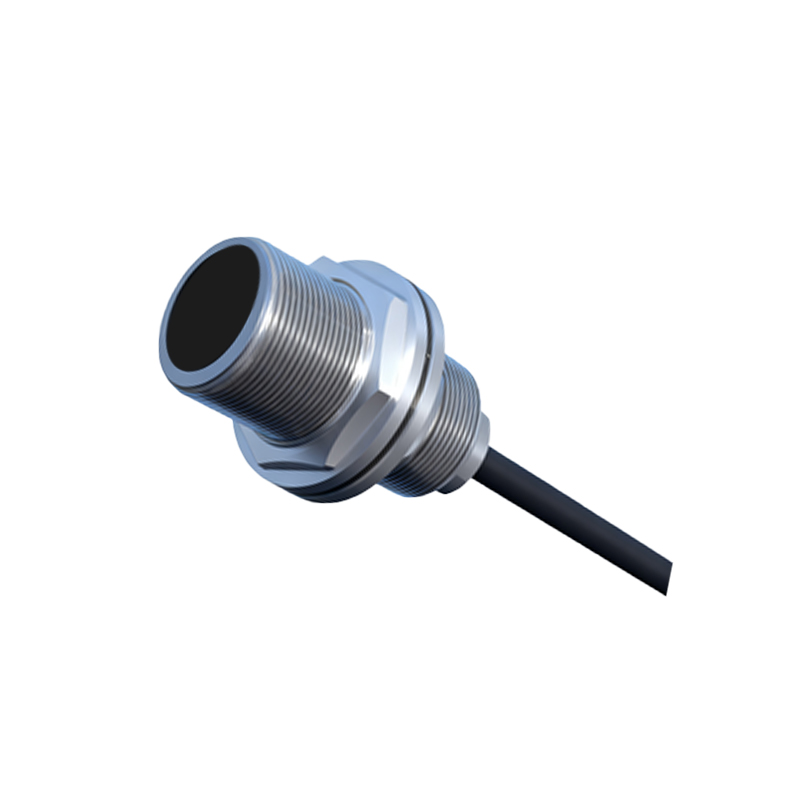
Capacitive proximity sensors function by detecting changes in capacitance when an object enters their electrostatic field. Unlike inductive sensors, capacitive types can sense both metallic and non-metallic materials, including liquids, plastics, wood, and granular substances. This versatility makes them suitable for level detection in tanks, material handling, and packaging systems. They are particularly useful in industries like food processing or chemical manufacturing, where non-metallic object detection is required. However, they may be sensitive to environmental factors like humidity or temperature variations, requiring careful calibration.
Magnetic proximity sensors, often referred to as reed switches or Hall effect sensors, detect the presence of magnetic fields. Reed switches consist of two ferromagnetic reeds sealed in a glass tube, which close or open in response to a magnet. Hall effect sensors generate a voltage when exposed to a magnetic field, offering higher precision and durability. These sensors are widely used in applications requiring position feedback, such as in cylinder position sensing, door and window security systems, and speed detection in rotating equipment. Their non-contact nature ensures long service life and minimal wear.
Ultrasonic proximity sensors utilize sound waves beyond the human hearing range to detect objects. They emit ultrasonic pulses and measure the time taken for the echo to return, calculating the distance to the target. These sensors are effective for detecting objects regardless of material, color, or transparency, making them ideal for complex environments. Typical uses include liquid level control, obstacle detection in automated guided vehicles (AGVs), and palletizing in logistics. While highly accurate, they can be affected by factors like air turbulence, temperature, and surface texture, necessitating proper installation and maintenance.
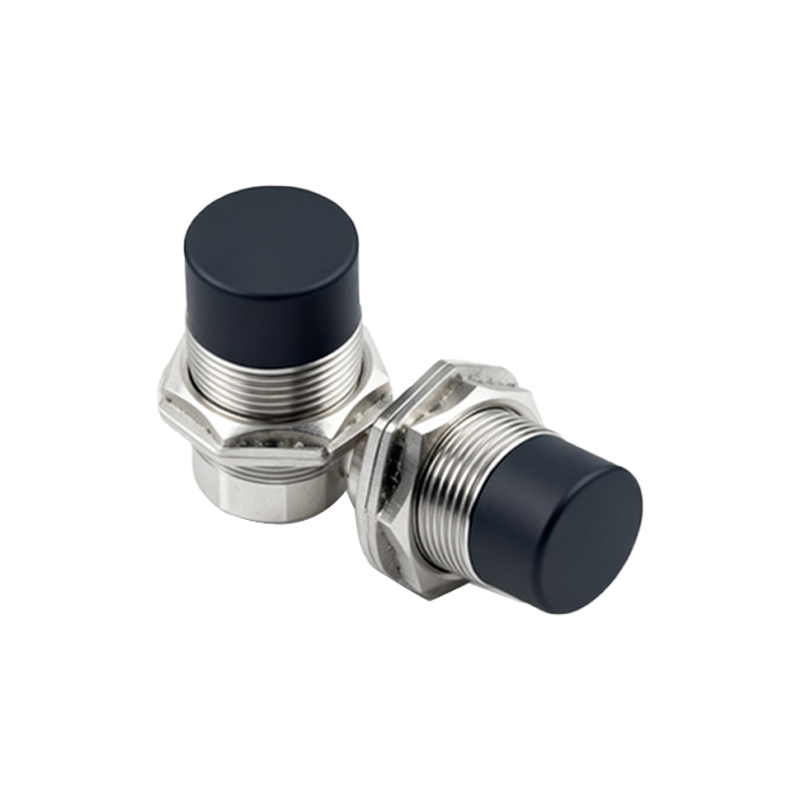
Photoelectric proximity sensors, or photoeyes, operate by emitting a light beam (usually infrared, visible, or laser) and detecting its reflection or interruption. They are categorized into three main types: through-beam, retro-reflective, and diffuse reflective. Through-beam sensors offer the longest detection ranges and high accuracy, suitable for conveyor belt monitoring. Retro-reflective sensors use a reflector to bounce light back, ideal for detecting transparent objects. Diffuse reflective sensors detect light reflected directly from the target, commonly used in packaging and assembly lines. Photoelectric sensors excel in detecting small objects and are versatile across industries, though they may be sensitive to ambient light or dirty environments.
In summary, selecting the appropriate proximity sensor depends on factors such as the target material, required sensing distance, environmental conditions, and application specifics. Inductive sensors are optimal for metallic objects in tough settings, while capacitive sensors handle diverse materials. Magnetic sensors provide reliable magnetic field detection, ultrasonic sensors offer precise distance measurement, and photoelectric sensors deliver flexibility for object detection. By leveraging these technologies, industries can achieve enhanced automation, reduced downtime, and improved operational safety. As technology advances, proximity sensors continue to evolve, integrating smart features like IO-Link connectivity for real-time data monitoring and predictive maintenance, further driving industrial innovation.