In the realm of industrial automation and electrical engineering, proximity sensors are indispensable components that detect the presence or absence of objects without physical contact. Among these, anti-magnetic proximity sensors stand out as specialized devices designed to operate reliably in environments with strong magnetic interference. This article delves into their function, applications, and benefits, providing insights for professionals in the field.
Anti-magnetic proximity sensors are engineered to mitigate the effects of external magnetic fields, which can disrupt the performance of standard sensors. Traditional inductive or capacitive sensors may experience false triggers, reduced sensing ranges, or complete failure when exposed to magnetic sources such as motors, transformers, or welding equipment. By incorporating shielding materials like mu-metal or employing advanced electronic filtering techniques, anti-magnetic sensors maintain accuracy and stability. Their core mechanism typically involves generating an electromagnetic field and detecting changes caused by metallic targets, but with enhanced immunity to stray magnetic influences.
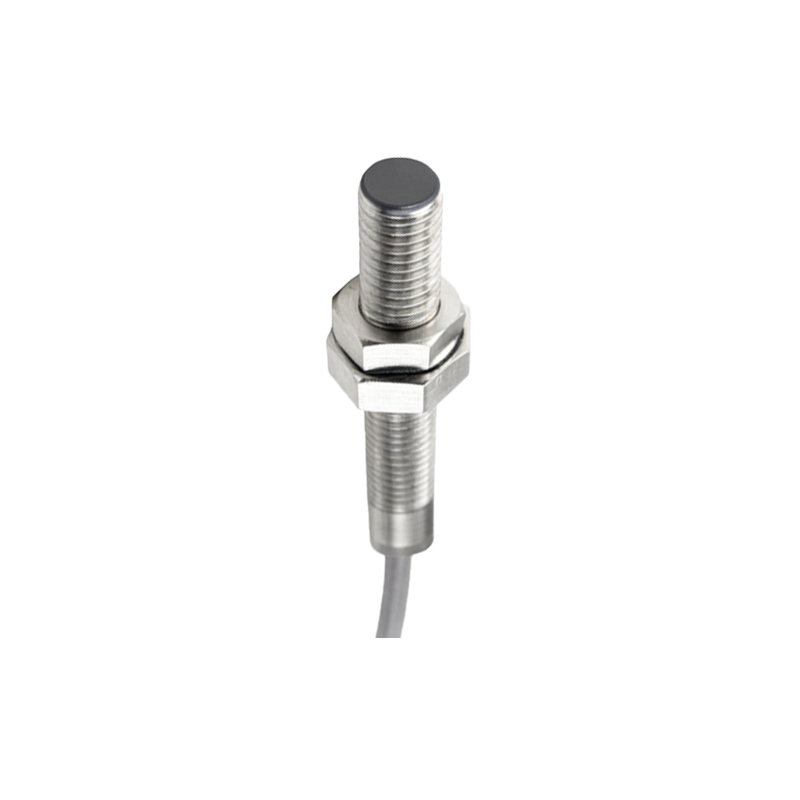
The primary role of these sensors is to ensure precise detection in challenging conditions. In industries like steel manufacturing, mining, or heavy machinery, magnetic fields are pervasive. Here, anti-magnetic sensors facilitate tasks such as position sensing, limit switching, and object counting. For instance, in conveyor systems handling ferrous materials, they can reliably monitor item flow without being affected by adjacent magnetic equipment. Similarly, in renewable energy setups like wind turbines, where generators produce substantial magnetic flux, these sensors contribute to safe operation by detecting blade position or gear alignment.
Key advantages of anti-magnetic proximity sensors include enhanced durability and reduced downtime. By minimizing false readings, they prevent costly errors in automated processes, such as assembly line jams or incorrect robotic movements. Their robust construction often meets high IP ratings for dust and water resistance, making them suitable for harsh environments. Moreover, they support safety protocols by ensuring that machinery only activates when intended, reducing risks in human-machine interactions.
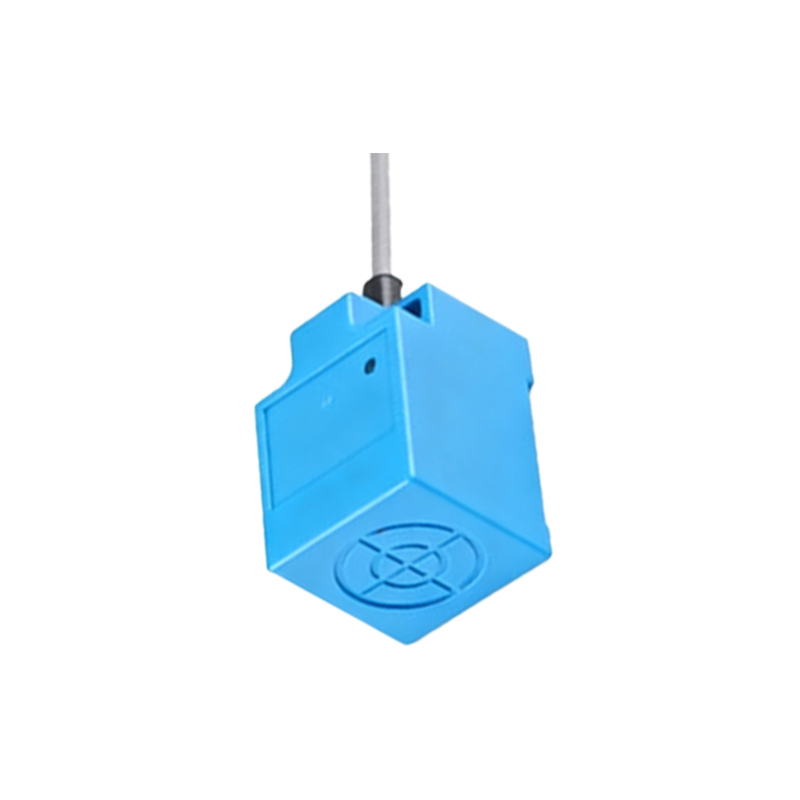
When selecting an anti-magnetic sensor, engineers should consider factors like sensing distance, target material, and environmental ratings. Models vary in output types (e.g., PNP/NPN or analog signals) and mounting styles to fit diverse applications. Regular maintenance, though minimal, involves checking for physical damage and verifying calibration to sustain performance over time.
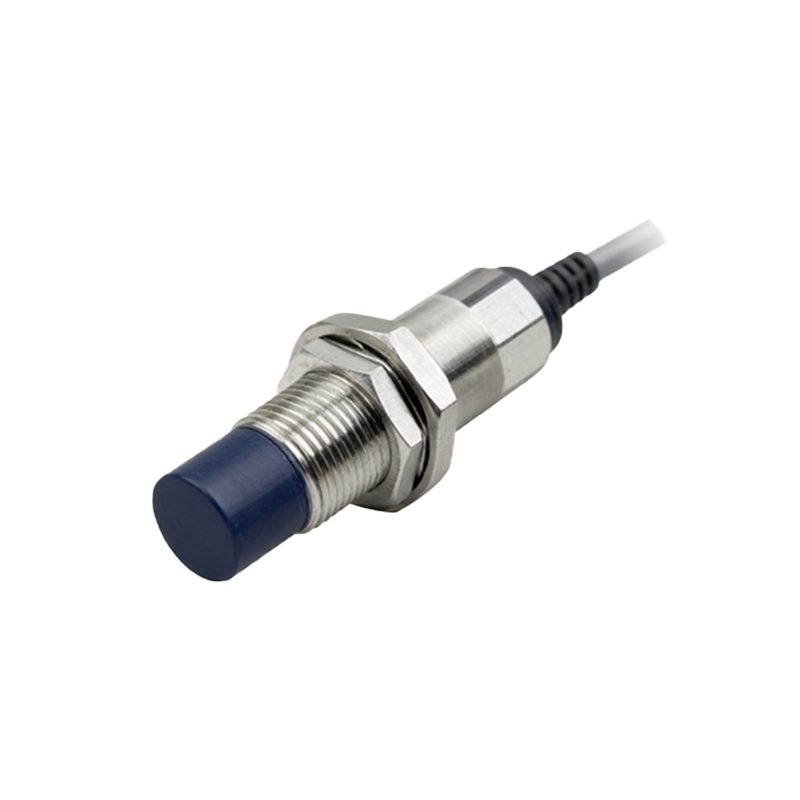
In summary, anti-magnetic proximity sensors are vital for maintaining efficiency and safety in magnetically noisy settings. As industries advance toward greater automation and IoT integration, their role will expand, driven by demands for reliability and precision. Professionals should stay informed about technological developments, such as smart sensors with self-diagnostic features, to leverage their full potential in electrical systems.