In the rapidly evolving landscape of industrial automation, the demand for high-precision, reliable, and robust sensing technology has never been greater. Among the forefront of this technological advancement stands the PowerTower series of laser sensors, a line of devices engineered to deliver exceptional performance in the most demanding environments. This article delves into the core principles, key features, and transformative applications of PowerTower laser sensors, illustrating why they have become an indispensable tool for modern electrical and automation engineers.
At its heart, a PowerTower laser sensor operates on the principle of laser triangulation or time-of-flight measurement, depending on the specific model and application need. These sensors emit a focused beam of laser light towards a target object. The reflected light is then captured by a high-resolution receiver within the sensor. Sophisticated onboard processors analyze the characteristics of the reflected beam—such as its position, intensity, or the time taken for the round trip—to calculate precise measurements of distance, height, thickness, or presence. This non-contact method eliminates mechanical wear, reduces maintenance, and allows for measurements on delicate, hot, or fast-moving objects that would be impossible with traditional contact sensors.
The defining characteristic of the PowerTower series is its unparalleled combination of precision, speed, and environmental resilience. Engineered with industrial-grade components, these sensors boast exceptional measurement accuracy, often down to the micrometer range, even at high sampling rates. This makes them ideal for critical quality control tasks, such as verifying component dimensions on an assembly line or monitoring the gap and flush of automotive body panels. Furthermore, PowerTower sensors are renowned for their robust housing, typically rated at IP67 or higher, providing complete protection against dust ingress and temporary immersion in water. This durability ensures consistent operation in harsh settings like metalworking shops, food and beverage plants with high-pressure washdowns, and outdoor logistics yards.
Another significant advantage is their advanced programmability and connectivity. Modern PowerTower units come equipped with intuitive configuration software and versatile digital interfaces, including IO-Link, Ethernet/IP, and PROFINET. IO-Link, in particular, transforms the sensor from a simple data provider into a smart, communicative device. It enables remote parameter configuration, real-time diagnostics, and detailed process data transmission, facilitating predictive maintenance and seamless integration into Industry 4.0 and Industrial Internet of Things (IIoT) frameworks. Engineers can monitor sensor health, track performance trends, and receive early warnings of potential issues, thereby minimizing unplanned downtime.
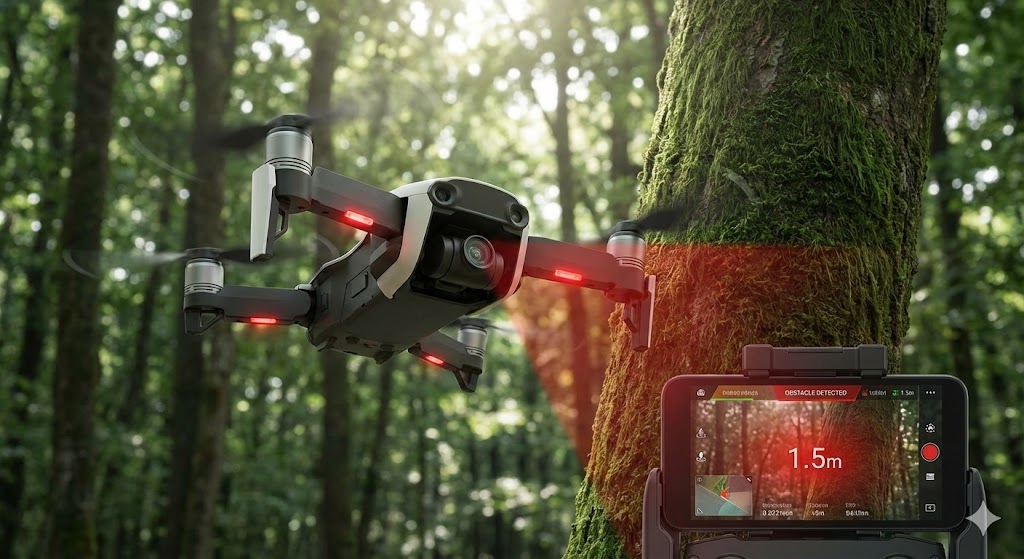
The application spectrum for PowerTower laser sensors is vast and continues to expand. In material handling and logistics, they are deployed for precise palletizing, box dimensioning, and conveyor belt monitoring. Within the automotive sector, they ensure the correct positioning of robots for welding and assembly, and inspect critical tolerances of engine components. In electronics manufacturing, these sensors verify the coplanarity of Ball Grid Array (BGA) packages and the placement of miniature surface-mount devices. They also play a crucial role in wood processing for thickness monitoring, in pharmaceutical packaging for fill-level detection, and in renewable energy for aligning solar panels.
Selecting the right PowerTower sensor requires careful consideration of several parameters: the required measuring range, the resolution and repeatability needed, the response time of the application, the environmental conditions (temperature, ambient light, reflective surfaces), and the necessary output format. Consulting detailed technical datasheets and, when in doubt, engaging with application engineers from the manufacturer is highly recommended to ensure optimal sensor selection and configuration.
In conclusion, PowerTower laser sensors represent a pinnacle of sensing technology for industrial automation. By offering micrometer-level precision, rugged reliability for harsh environments, and smart connectivity for data-driven operations, they empower engineers to build more efficient, accurate, and intelligent automated systems. As industries push towards greater flexibility and zero-defect production, the role of advanced laser sensors like the PowerTower series will only become more central, driving innovation and operational excellence across the global manufacturing landscape.
