In the realm of industrial automation and control systems, proximity sensors stand as fundamental components, enabling machines to "sense" the presence or absence of an object without physical contact. These devices are pivotal for enhancing efficiency, ensuring safety, and enabling sophisticated sequencing in manufacturing, packaging, material handling, and countless other applications. This article delves into the core principles, primary types, key applications, and critical selection factors for proximity sensors.
At their essence, proximity sensors detect the presence of a target object within a specified sensing range. They achieve this by emitting a field or beam and monitoring for changes in that field caused by the target. The absence of physical contact eliminates mechanical wear, significantly increasing operational life and reliability compared to mechanical limit switches. This non-contact operation also allows for high-speed detection, which is crucial in modern high-throughput production lines.
The landscape of proximity sensors is dominated by several key technologies, each with distinct operating principles and ideal use cases.
Inductive Proximity Sensors are the workhorses for detecting metallic objects. They generate an oscillating electromagnetic field. When a conductive metal target enters this field, it induces eddy currents within the target, which in turn dampens the sensor's oscillation. This change is detected and converted into a switching output. Inductive sensors are robust, resistant to environmental contaminants like dust and oil, and are excellent for short-range detection of ferrous and non-ferrous metals, though with different sensing distances.
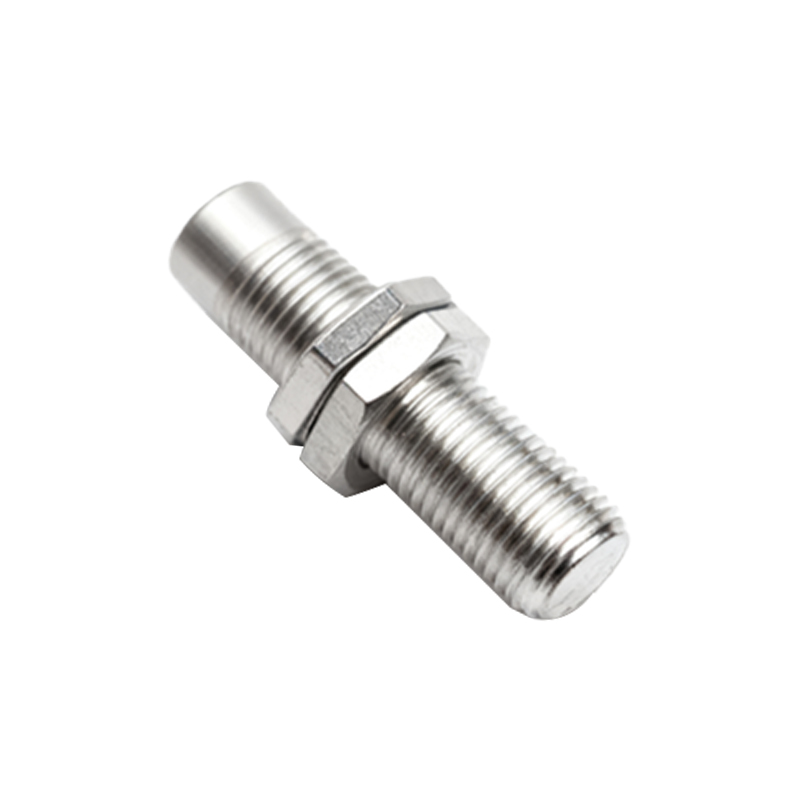
Capacitive Proximity Sensors can detect both metallic and non-metallic materials, including liquids, plastics, glass, and wood. They function by generating an electrostatic field. Any object that enters this field alters the sensor's capacitance relative to ground. This change triggers the output. This makes capacitive sensors versatile for applications like liquid level detection, material presence in hoppers, or sensing through non-metallic container walls. They are, however, more susceptible to environmental factors like humidity.
Photoelectric Sensors operate on the principle of light transmission. An emitter sends a light beam (often infrared, visible red, or laser) to a receiver. The sensor detects the target by either the interruption of this beam (through-beam), the reflection from the target back to a receiver housed in the same unit (retro-reflective), or the diffusion of light from the target back to the receiver (diffuse reflective). Photoelectric sensors offer the longest sensing ranges and can detect virtually any material, but their performance can be affected by ambient light, color, and surface finish of the target.
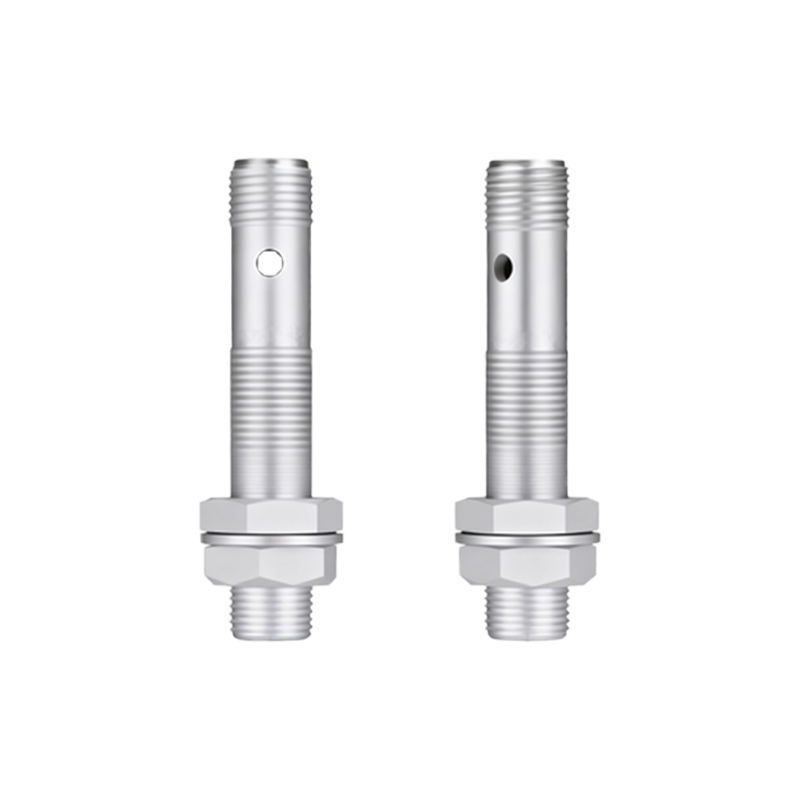
Ultrasonic Proximity Sensors use sound waves beyond the human hearing range. They emit ultrasonic pulses and measure the time taken for the echo to return from a target. This time-of-flight principle allows them to measure distance as well as detect presence. They are effective for detecting objects of any material, shape, or color, and are particularly useful in challenging environments with dust, fog, or varying light conditions. They are commonly used for level measurement, distance control, and transparent object detection.
Magnetic Proximity Sensors, often called reed switches or Hall-effect sensors, detect the presence of a permanent magnet. They are simple, cost-effective, and used in applications where a magnet can be attached to the moving target, such as in cylinder position sensing or door/window security systems.
Selecting the appropriate proximity sensor requires a careful analysis of several parameters. The Target Material is the primary determinant: use inductive for metals, capacitive for a wider range, and photoelectric/ultrasonic for non-metrometallics or specific conditions. The Sensing Distance (rated and practical) must accommodate the application's mechanical tolerances, typically derated for safety. The Output Type (PNP/NPN, NO/NC, analog, IO-Link) must be compatible with the controller (PLC). Environmental Conditions such as temperature, humidity, chemical exposure, and potential washdown requirements dictate the sensor's housing material and ingress protection (IP) rating. Electrical Characteristics like supply voltage, current consumption, and switching frequency must match the system's capabilities. Finally, the Physical Form Factor (barrel-style, rectangular, ring-shaped) must fit the mechanical installation constraints.
In application, proximity sensors are ubiquitous. Inductive sensors count metal parts on a conveyor or confirm the position of a robotic arm. Capacitive sensors monitor glue levels in a tank or detect filled plastic bottles. Photoelectric sensors ensure correct packaging alignment or break-beam safety curtains. Ultrasonic sensors manage pallet stacking height in a warehouse. Their integration forms the sensory nervous system of automated equipment, providing the critical data points for precise control.
In conclusion, proximity sensors are indispensable in modern industrial automation. Understanding their underlying technologies—inductive, capacitive, photoelectric, ultrasonic, and magnetic—empowers engineers and technicians to make informed selection decisions. By meticulously considering factors