Proximity sensors are fundamental components in modern industrial automation, robotics, and countless electronic devices. A question frequently asked by engineers and designers is: "How far can a proximity sensor detect?" The answer is not a single number but a spectrum defined by technology, application, and environmental factors. Understanding the effective sensing distance, or range, is crucial for selecting the right sensor for any job.
The sensing range of a proximity sensor is primarily determined by its underlying technology. The most common types include inductive, capacitive, ultrasonic, and photoelectric sensors, each with distinct operating principles and distance capabilities.
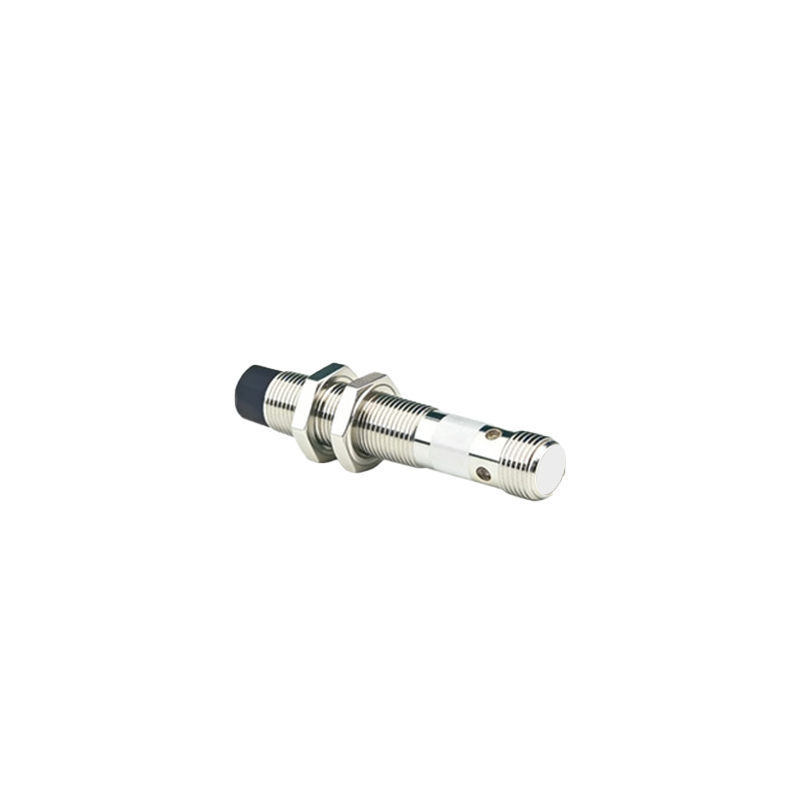
Inductive Proximity Sensors are the workhorses of metal detection. They generate an electromagnetic field and detect the eddy currents induced in a conductive metal target. Their range is relatively short, typically from 1 mm to 60 mm (0.04 to 2.36 inches), with some specialized models reaching up to 120 mm. The effective range depends heavily on the target metal's properties; ferrous metals like steel are detected at the nominal range, while non-ferrous metals like aluminum or copper may reduce the sensing distance by 30-60%. These sensors are prized for their reliability, speed, and insensitivity to non-metallic contaminants like dust or oil.
Capacitive Proximity Sensors can detect both metallic and non-metallic materials (liquids, plastics, wood, granules) by measuring changes in capacitance. Their typical sensing range is similar to inductive sensors, generally between 3 mm and 60 mm. However, the dielectric constant of the target material significantly influences the range. Materials with high dielectric constants (like water) can be detected at the full nominal range, while low-constant materials (like certain plastics) require a much closer distance. These sensors are ideal for level detection or presence sensing of non-metals.
Ultrasonic Proximity Sensors operate by emitting high-frequency sound waves and measuring the time for the echo to return. This time-of-flight principle allows for much longer ranges. Standard ultrasonic sensors can reliably detect objects from 20-30 mm up to 6-8 meters (20-26 feet), with some long-range models exceeding 15 meters. They are excellent for detecting objects regardless of color, transparency, or material, making them suitable for bulk level sensing, distance measurement, and object profiling. Their performance can be affected by temperature, air turbulence, and highly absorbent or angled surfaces.
Photoelectric Sensors use a beam of light (visible, infrared, or laser) to detect an object's presence. Their range capabilities are the most diverse. Standard diffuse (proximity-mode) sensors have ranges from a few centimeters up to 2 meters. Retro-reflective sensors, which bounce light off a reflector, can reach 10-15 meters. Through-beam sensors, with separate emitter and receiver units, offer the longest ranges, from a few meters up to 100 meters or more for specialized laser sensors. Photoelectric sensors are versatile but can be challenged by target color (affecting reflectivity), transparency, and ambient light interference.
Beyond the core technology, several critical factors influence the real-world sensing distance:
Target Size and Shape: A larger, flat target perpendicular to the sensor will be detected at the maximum nominal range. Smaller or curved targets reduce the effective range.
Installation and Environment: Sensor mounting, nearby metal (for inductive sensors), temperature extremes, humidity, dust, and vibration can all impact performance. Always refer to the manufacturer's derating guidelines.
Hysteresis: This is a built-in difference between the switch-on and switch-off points, preventing output oscillation when a target is at the edge of the sensing range. It is a fixed percentage of the nominal range.
Selecting the Right Sensor and Range: The key is not to simply choose the sensor with the longest range. Instead, follow these steps:
1. Identify the target material.
2. Determine the required nominal sensing distance (Sn), typically choosing a sensor where Sn is 10-20% greater than the actual application distance to ensure reliability and account for tolerances.
3. Consider environmental conditions and electrical requirements (e.g., output type, voltage).
4. Consult specific manufacturer datasheets, as performance varies between models and brands.
In conclusion, the question of "how far" a proximity sensor can detect opens a discussion on precision engineering. From the millimeter precision of inductive sensors on a high-speed assembly line to the meter-range monitoring of ultrasonic sensors in a silo, the correct sensor choice hinges on a deep understanding of its technology and its specified sensing range under your specific application conditions. There is no universal answer, only the optimal solution derived from careful analysis.