In the realm of industrial automation and process control, proximity sensors are indispensable components, renowned for their ability to detect the presence or absence of metallic objects without physical contact. A common and critical inquiry from engineers and system designers is: Can standard proximity sensors detect water? The direct and unequivocal answer is no, standard inductive proximity sensors are fundamentally incapable of reliably detecting water or other non-conductive liquids. This limitation stems from their core operating principle.
Inductive proximity sensors, the most prevalent type for metal detection, generate an electromagnetic field from a coil in the sensing face. When a conductive metal object enters this field, eddy currents are induced within the object. These eddy currents absorb energy from the oscillator circuit, causing a measurable change (typically a drop in amplitude) that is processed by the sensor's circuitry to trigger an output signal. Water, in its pure form, is a very poor electrical conductor. Its conductivity is negligible compared to metals like steel, aluminum, or brass. Therefore, it does not generate sufficient eddy currents to cause a detectable change in the sensor's electromagnetic field. Even impure water with some mineral content lacks the conductive properties required to activate a standard inductive sensor reliably and consistently.
For applications requiring liquid level detection, including water, specialized sensors based on different physical principles must be employed. The most suitable and common technologies include:
1. Capacitive Proximity Sensors: These sensors can detect both conductive and non-conductive materials, including liquids, powders, and plastics. They operate by generating an electrostatic field. Any material that enters this field alters its dielectric constant, changing the capacitance of the circuit. Since water has a significantly higher dielectric constant (approximately 80) compared to air (approximately 1), it causes a substantial and detectable change in capacitance. Capacitive sensors are excellent for detecting water levels through non-metallic tank walls (like plastic or glass), making them a versatile choice for liquid control.
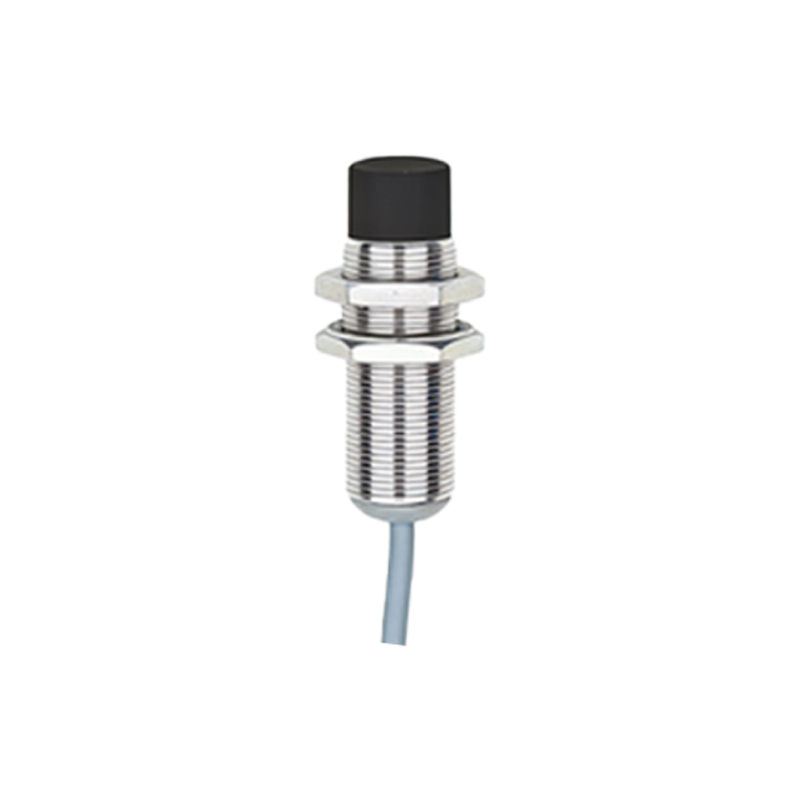
2. Ultrasonic Sensors: These sensors work on the time-of-flight principle. They emit high-frequency sound waves and measure the time taken for the echo to return from a target. The distance to the target (the water surface) is calculated based on the speed of sound. Ultrasonic sensors are ideal for continuous level measurement of water in large tanks, sumps, or reservoirs, as they are non-contact and unaffected by the water's conductivity, color, or transparency.
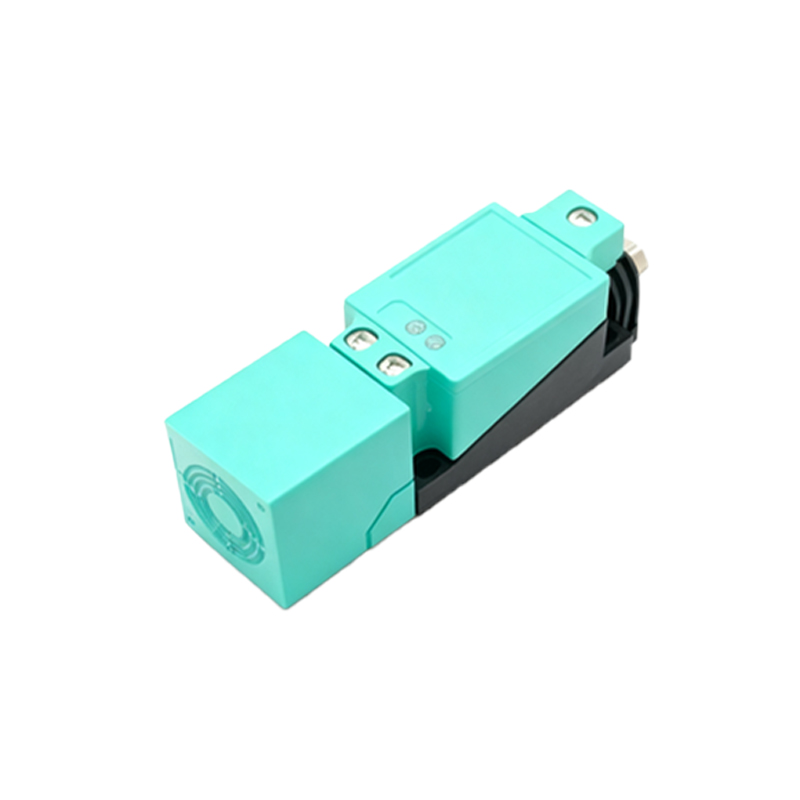
3. Optical Sensors: These use a light beam (usually infrared) and a receiver. In a through-beam configuration, the presence of water interrupts the beam. In a reflective configuration, the sensor detects the change in reflectivity at the air-water interface. Optical sensors are precise and fast but can be prone to issues with fouling, bubbles, or steam in dirty environments.
4. Conductivity or Resistive Level Sensors: These are simple, point-level detection devices. They use probes to pass a small electrical current. When water rises to touch the probes, it completes the circuit (due to water's ionic conductivity), signaling the presence of liquid. They are cost-effective for basic on/off control but are unsuitable for pure deionized water, which is non-conductive.
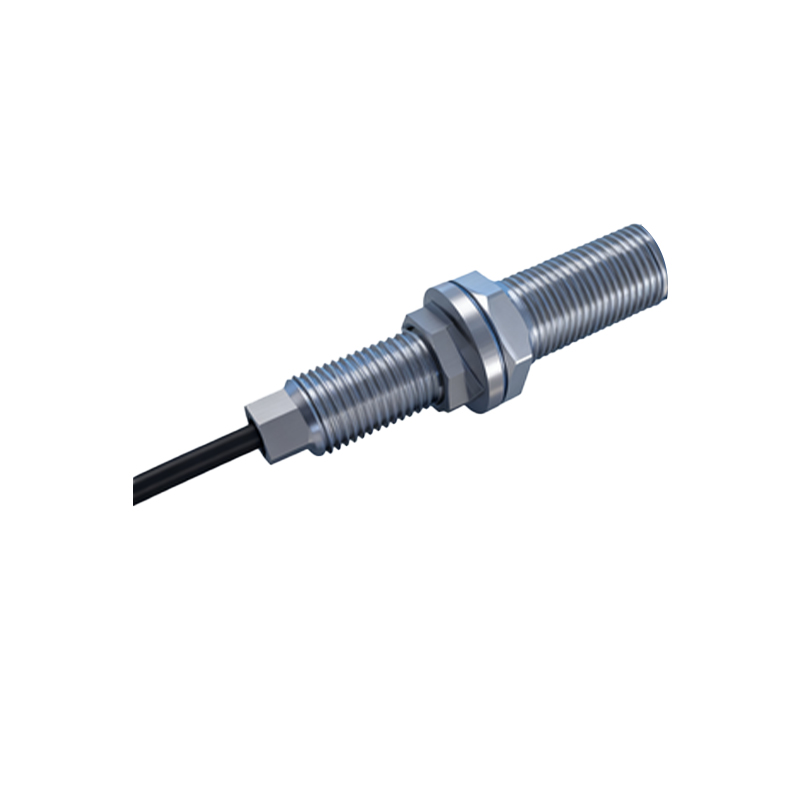
5. Float Switches: A mechanical option where a float rises with the water level, actuating a magnetic or mechanical switch. They are robust and simple but involve moving parts subject to wear.
Attempting to use a standard inductive proximity sensor to detect water will result in failure, potentially causing process downtime, overflow, or dry-run damage to pumps. Key selection criteria for a water detection application include: the chemical composition of the liquid (pure, salty, dirty), required accuracy (point level or continuous), tank material, temperature, pressure, and the need for hygiene in food/beverage or pharmaceutical applications.
In conclusion, while the ubiquitous inductive proximity sensor is a powerhouse for metal detection, it is the wrong tool for detecting water. Engineers must select from a suite of alternative sensing technologies—primarily capacitive, ultrasonic, or optical—designed to interact with the unique physical properties of liquids. Proper sensor selection is not merely a technical detail but a cornerstone of reliable, efficient, and safe automated system design for fluid handling and control across countless industries, from wastewater management and chemical processing to food production and HVAC systems.