In the rapidly evolving landscape of automotive safety and smart building management, laser rain sensors have emerged as a pivotal technology, offering unparalleled precision and reliability. Unlike traditional capacitive or infrared-based rain detection systems, laser rain sensors utilize advanced optical principles to detect precipitation with exceptional accuracy. This article delves into the operational mechanics, key advantages, and diverse applications of laser rain sensors, highlighting their transformative impact across industries.
At the core of a laser rain sensor is a focused laser beam directed at a windshield or exterior surface. When raindrops, snow, or other forms of moisture strike the surface, they cause minute disturbances in the laser's reflection pattern. A high-sensitivity photodetector continuously monitors these changes, analyzing the intensity and frequency of light scattering. Sophisticated algorithms process this data in real-time to distinguish between different types of precipitation—such as light drizzle, heavy rain, or hail—and even quantify rainfall intensity. This allows for instantaneous, automated responses without any physical contact with the sensing surface, reducing wear and tear and minimizing false triggers from dirt or debris.
The superiority of laser rain sensors lies in their sensitivity and speed. They can detect individual raindrops as small as 0.1 millimeters in diameter, enabling faster activation of windshield wipers in vehicles—often within milliseconds of the first drop. This rapid response enhances driver safety by maintaining optimal visibility during sudden weather changes. Moreover, these sensors are highly adaptable to varying environmental conditions. Advanced models incorporate temperature compensation and self-cleaning mechanisms to ensure consistent performance in extreme climates, from freezing winters to scorching summers.
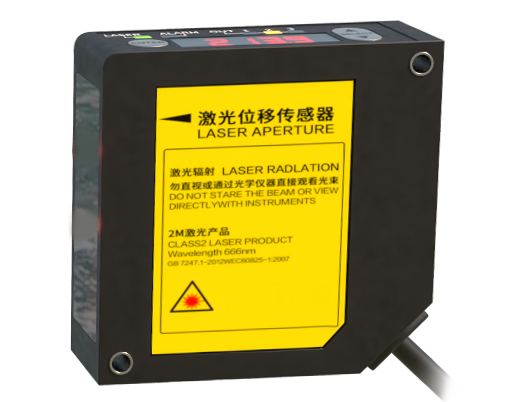
In automotive applications, laser rain sensors are integral to advanced driver-assistance systems (ADAS). They seamlessly integrate with automatic wiper control, headlight activation, and climate control systems. For instance, when rain is detected, the sensor can automatically adjust wiper speed based on intensity, toggle headlights for improved visibility, and close sunroofs or windows to prevent water ingress. This not only improves convenience but also reduces driver distraction, contributing to overall road safety. Luxury and electric vehicle manufacturers increasingly adopt this technology as a standard feature, underscoring its value in modern automotive design.
Beyond vehicles, laser rain sensors are revolutionizing building automation and smart infrastructure. In smart homes and commercial buildings, they enable automated window closures, irrigation system adjustments, and climate control optimization. For agricultural and meteorological stations, these sensors provide precise rainfall data, aiding in water resource management and weather forecasting. Their non-contact nature makes them ideal for harsh outdoor environments, where durability and low maintenance are critical.
Despite their advantages, challenges remain, such as higher initial costs compared to conventional sensors and the need for precise calibration during installation. However, ongoing advancements in microfabrication and machine learning are driving down costs while enhancing functionality. Future developments may see laser rain sensors integrated with IoT networks, enabling predictive analytics for weather-responsive automation in smart cities.
In conclusion, laser rain sensors represent a significant leap forward in sensing technology. Their ability to deliver accurate, real-time precipitation detection supports safer, more efficient systems in automotive and building domains. As innovation continues, these sensors will likely become more ubiquitous, paving the way for smarter, more responsive environments that seamlessly adapt to nature's unpredictability.