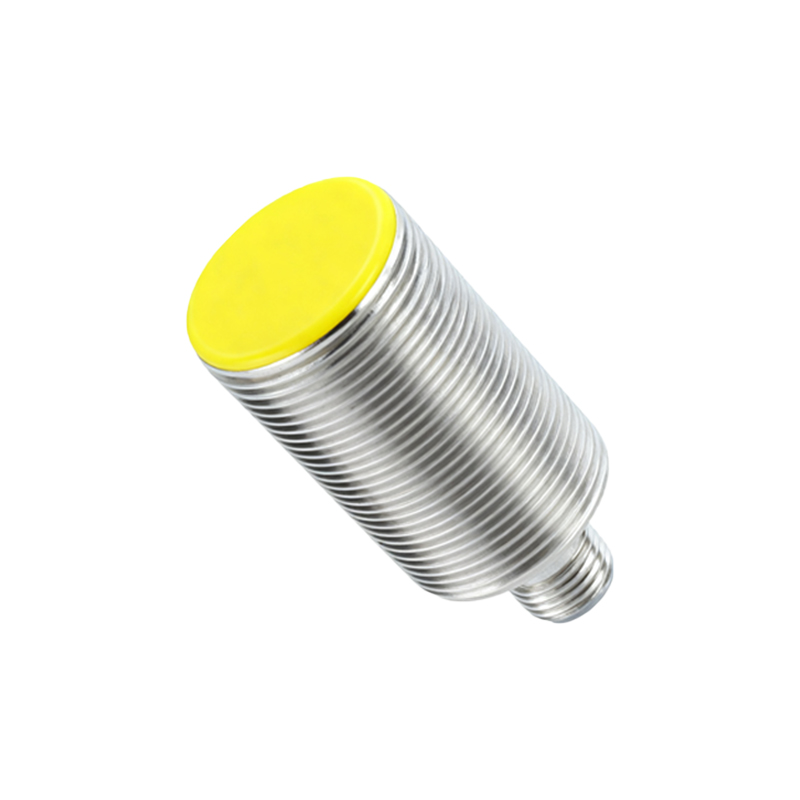
In the realm of computer numerical control (CNC) machining, precision and reliability are paramount. Among the myriad components that ensure seamless operation, proximity switch sensors for tool holders play a critical yet often understated role. These sensors are pivotal in modern manufacturing environments, where automated tool changers and high-speed machining demand flawless execution. This article delves into the functionality, types, and benefits of proximity switch sensors, underscoring their importance in maintaining operational integrity and efficiency.
Proximity switch sensors are non-contact devices designed to detect the presence or absence of a tool within a holder without physical interaction. They operate on various principles, including inductive, capacitive, and magnetic sensing technologies. Inductive sensors are most common in metalworking applications, as they detect metallic objects—such as tool holders—by generating an electromagnetic field. When a tool enters this field, it induces eddy currents, triggering the sensor to send a signal to the machine's control system. This signal confirms proper tool seating, enabling automated processes to proceed safely. Capacitive sensors, on the other hand, can detect both metallic and non-metallic objects by measuring changes in capacitance, making them versatile for diverse materials. Magnetic sensors utilize Hall effect or reed switch mechanisms, offering robust performance in harsh environments with high temperatures or contaminants.
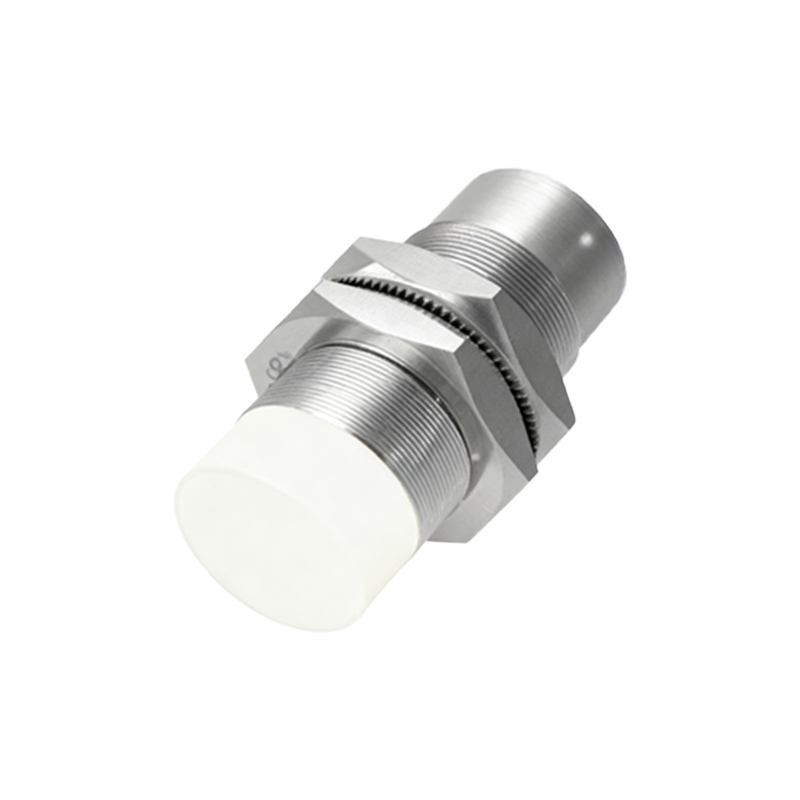
The integration of proximity switch sensors into tool holders addresses several key challenges in CNC machining. First, they enhance safety by preventing machine operation if a tool is incorrectly seated or missing, thereby reducing the risk of collisions, tool damage, or workpiece spoilage. Second, they improve accuracy by ensuring tools are precisely positioned, which is crucial for maintaining tight tolerances in complex parts. Third, these sensors boost productivity by enabling faster tool changes and minimizing downtime for manual checks. In high-volume production lines, even minor delays can accumulate into significant losses, making reliable sensor feedback indispensable.
Selecting the right proximity switch sensor involves considering factors such as sensing range, environmental conditions, and compatibility with the machine control system. For instance, in applications with coolant fluids or metal chips, sensors with high ingress protection (IP) ratings are essential to prevent malfunctions. Additionally, the response time of the sensor must align with the machine's speed requirements to avoid bottlenecks. Modern advancements have led to the development of smart sensors with integrated diagnostics, which can communicate real-time data on tool wear or misalignment, facilitating predictive maintenance and further optimizing workflow.
Installation and calibration are critical to sensor performance. Proper mounting ensures consistent detection, while regular calibration checks maintain accuracy over time. Technicians should follow manufacturer guidelines to avoid common pitfalls, such as electromagnetic interference from nearby motors or incorrect alignment. In practice, many facilities adopt a proactive maintenance schedule, including periodic sensor testing and replacement, to uphold system reliability.
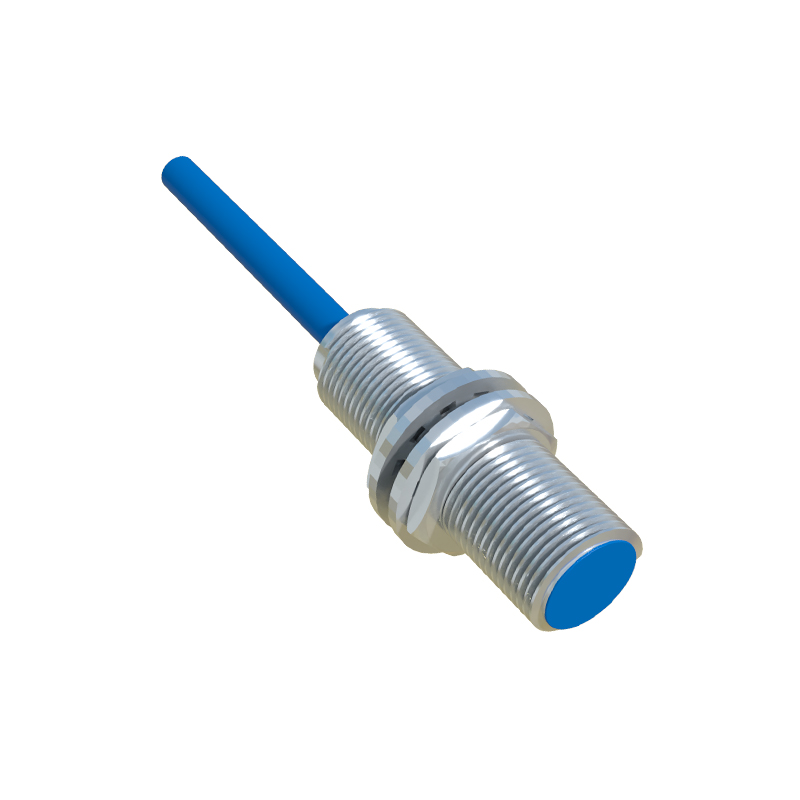
The evolution of Industry 4.0 and the Industrial Internet of Things (IIoT) has expanded the role of proximity switch sensors beyond mere detection. They now serve as data points in interconnected systems, contributing to digital twins and analytics platforms that monitor overall equipment effectiveness (OEE). By leveraging sensor data, manufacturers can gain insights into tool usage patterns, predict failures, and streamline operations, ultimately driving cost savings and quality improvements.
In conclusion, proximity switch sensors for tool holders are unsung heroes in CNC machining, delivering essential functions that underpin precision, safety, and efficiency. As manufacturing technology advances, these sensors will continue to evolve, incorporating smarter features and greater resilience. For engineers and operators, understanding their operation and maintenance is key to harnessing their full potential, ensuring that machines run smoothly and products meet exacting standards. Whether in aerospace, automotive, or medical device manufacturing, investing in high-quality proximity sensors is a strategic move toward achieving operational excellence.