In the rapidly evolving landscape of industrial automation, laser sensors have become indispensable components, offering unparalleled precision, speed, and reliability for tasks ranging from distance measurement and object detection to quality inspection and positioning. Choosing the right laser sensor supplier is a critical decision that can significantly impact the efficiency, safety, and profitability of your operations. This guide outlines key considerations for evaluating potential suppliers, ensuring you partner with a vendor capable of meeting your specific technical and commercial needs.
First and foremost, assess the supplier's technical expertise and product portfolio. A reputable supplier should offer a diverse range of laser sensors, including time-of-flight (ToF), triangulation, confocal, and laser line sensors, each suited for different applications. Inquire about key specifications such as measurement range, accuracy, repeatability, resolution, and response time. For instance, high-speed assembly lines may require sensors with microsecond-level response times, while precision machining might demand sub-micron accuracy. The supplier should provide detailed datasheets and be able to explain how their products perform under various environmental conditions like ambient light interference, temperature fluctuations, and vibration. Ask about customization options; some projects may require specific housing materials, communication protocols (e.g., IO-Link, Ethernet/IP, PROFINET), or software integration capabilities.

Secondly, evaluate the supplier's industry experience and application support. A supplier with a proven track record in your specific sector—be it automotive, electronics, packaging, or pharmaceuticals—will better understand your unique challenges. Request case studies or references from similar applications. Strong technical support is non-negotiable. Determine the level of pre-sales and post-sales assistance available, including application engineering, installation guidance, troubleshooting, and training. The ability to provide sample units for testing in your actual environment is a significant advantage, allowing you to validate performance before committing to a large purchase. Additionally, check if they offer simulation software or configuration tools to simplify sensor selection and setup.
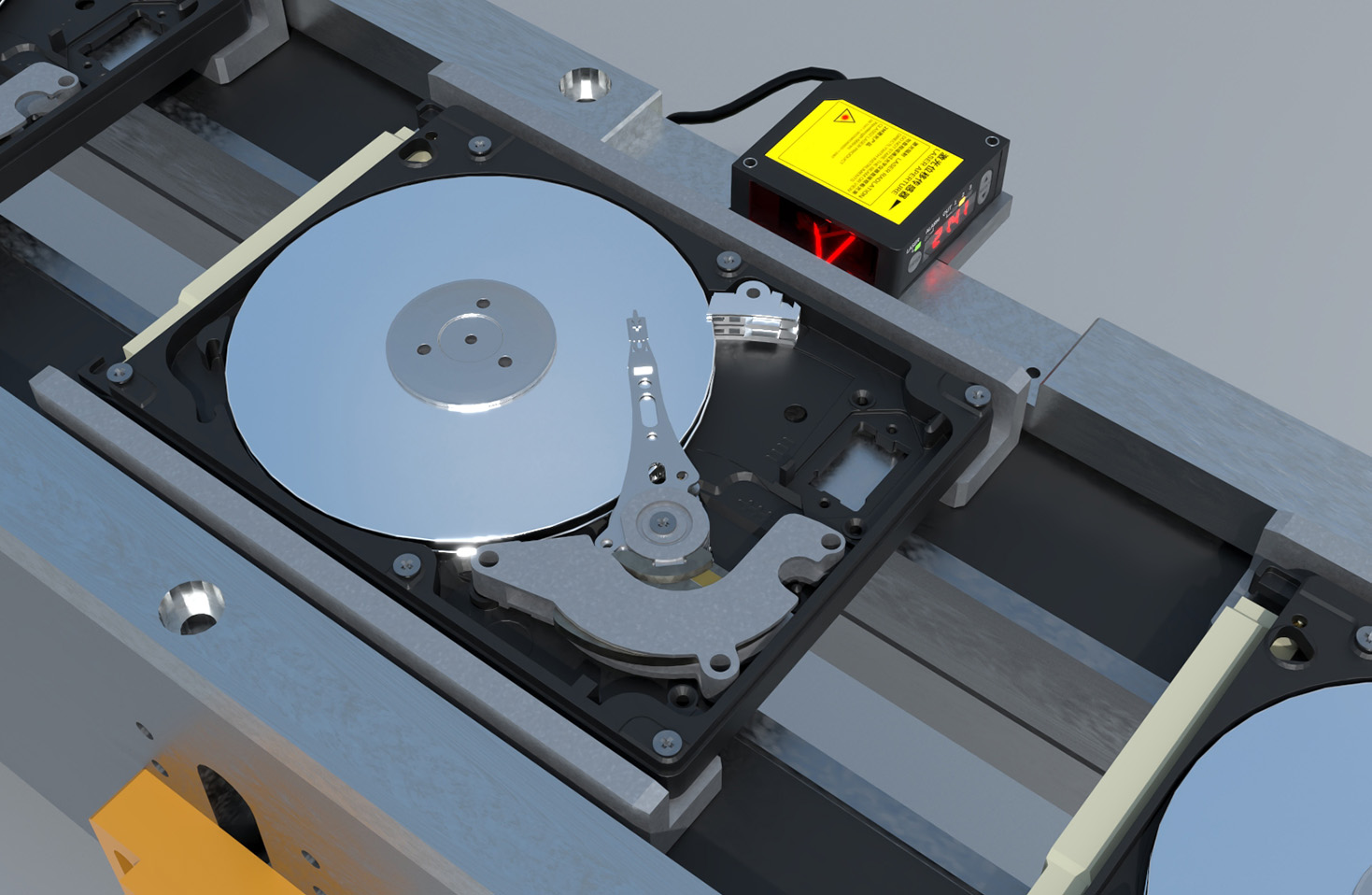
Thirdly, scrutinize reliability and quality assurance. Laser sensors are often deployed in harsh industrial settings, so durability is paramount. Inquire about the supplier's manufacturing standards, testing procedures, and quality certifications (e.g., ISO 9001, CE, UL). Key durability factors include ingress protection (IP) ratings for dust and water resistance, shock and vibration resistance, and mean time between failures (MTBF) data. A robust warranty and clear repair/replacement policies are indicators of confidence in product longevity. Supply chain stability is another crucial factor; ensure the supplier has a reliable inventory and logistics network to prevent production downtime due to part shortages.
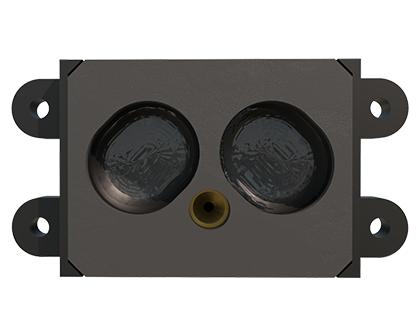
Fourthly, consider total cost of ownership (TCO), not just the initial purchase price. While competitive pricing is important, the lowest-cost option may lead to higher expenses from frequent failures, recalibration needs, or integration difficulties. Calculate TCO by factoring in installation costs, maintenance requirements, energy consumption, and potential productivity gains from higher accuracy or faster cycle times. Suppliers offering value-added services like lifecycle management, firmware updates, and comprehensive documentation can reduce long-term operational costs. Discuss volume pricing, delivery schedules, and contractual terms to align with your procurement strategy.
Finally, look toward future-proofing and innovation. The ideal supplier should be at the forefront of sensor technology, investing in research and development to address emerging trends such as Industry 4.0, IoT connectivity, and AI-driven data analytics. Sensors with smart features, like built-in diagnostics or cloud compatibility, can enhance predictive maintenance and system intelligence. Assess the supplier's roadmap for new product development and their commitment to backward compatibility, ensuring your investment remains viable as technology advances.
In conclusion, selecting a laser sensor supplier requires a balanced approach, weighing technical capabilities, industry expertise, reliability, cost-effectiveness, and innovation. By conducting thorough due diligence and prioritizing partners who demonstrate a deep understanding of your application challenges, you can secure a supply relationship that drives operational excellence and supports long-term growth in an automated world. Remember, the right sensor is not just a component—it's a cornerstone of precision and efficiency in modern manufacturing.