In the realm of industrial automation and control systems, proximity sensors stand as critical components for non-contact object detection. A common and crucial inquiry among procurement specialists, maintenance engineers, and project designers revolves around the pricing of genuine, original equipment manufacturer (OEM) proximity sensors. The cost is not a simple figure but a reflection of a complex interplay of technology, quality, and long-term operational value.
Firstly, the core technology defines a significant portion of the cost. Inductive, capacitive, and ultrasonic proximity sensors each employ distinct sensing principles, with varying complexities in electronic design and material requirements. For instance, high-performance inductive sensors designed for long-range detection or those with advanced features like weld-field immunity (for use near welding equipment) incorporate specialized coils and shielding, commanding a higher price. Similarly, analog output sensors or those with IO-Link communication capabilities, which provide continuous data rather than a simple on/off signal, involve more sophisticated circuitry. The research, development, and precision manufacturing behind these technologies are substantial investments for OEMs, directly influencing the unit price.
Secondly, the construction quality and materials are paramount. Genuine OEM sensors are built to withstand harsh industrial environments. This involves high-grade stainless steel or nickel-plated brass housings, potted electronics to resist vibration and moisture ingress, and industrial-grade connectors. The use of durable materials and rigorous sealing processes (often achieving IP67, IP68, or IP69K ratings) ensures reliability in the presence of coolants, oils, metal chips, and extreme temperatures. This robustness, which minimizes downtime and replacement frequency, inherently carries a higher initial cost compared to non-genuine or lower-grade alternatives.
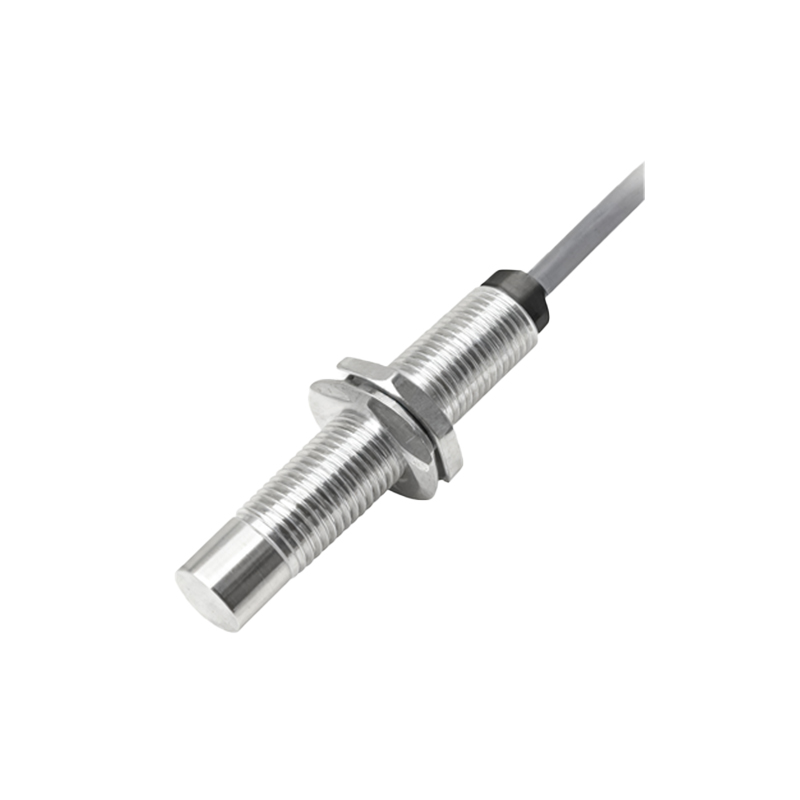
Thirdly, performance specifications critically impact pricing. Key parameters such as sensing range, repeat accuracy, switching frequency, and temperature tolerance create a tiered pricing structure. A standard-range inductive sensor will be more economical than an extended-range version of the same size. Sensors rated for use in extreme temperatures (e.g., -40°C to 85°C) or those with high resistance to electromagnetic interference require specialized components and testing, adding to the cost. The price reflects the guaranteed performance envelope documented in the detailed OEM datasheet.
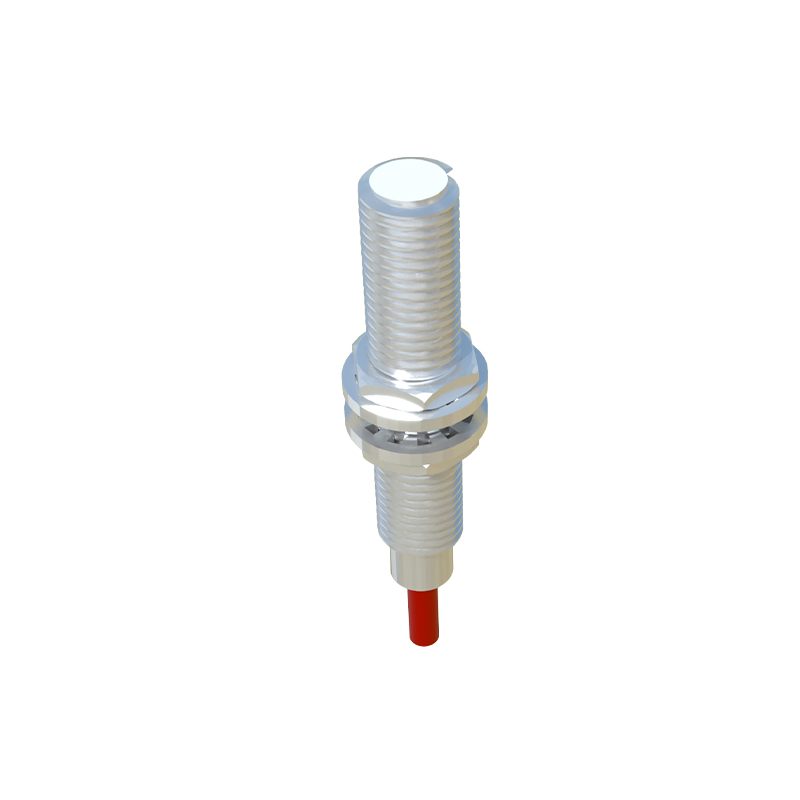
Beyond the physical product, the cost incorporates intangible yet vital elements. This includes comprehensive technical support, detailed application engineering documentation, global availability through authorized distributors, and reliable warranty services. OEMs invest heavily in ensuring their sensors integrate seamlessly with broader automation systems from the same or other major manufacturers. Furthermore, consistent quality across production batches is a hallmark of genuine parts, eliminating the risk of unexpected failures that can lead to costly production stoppages. The peace of mind and system predictability offered by OEM sensors represent a significant, though often overlooked, part of their value proposition.
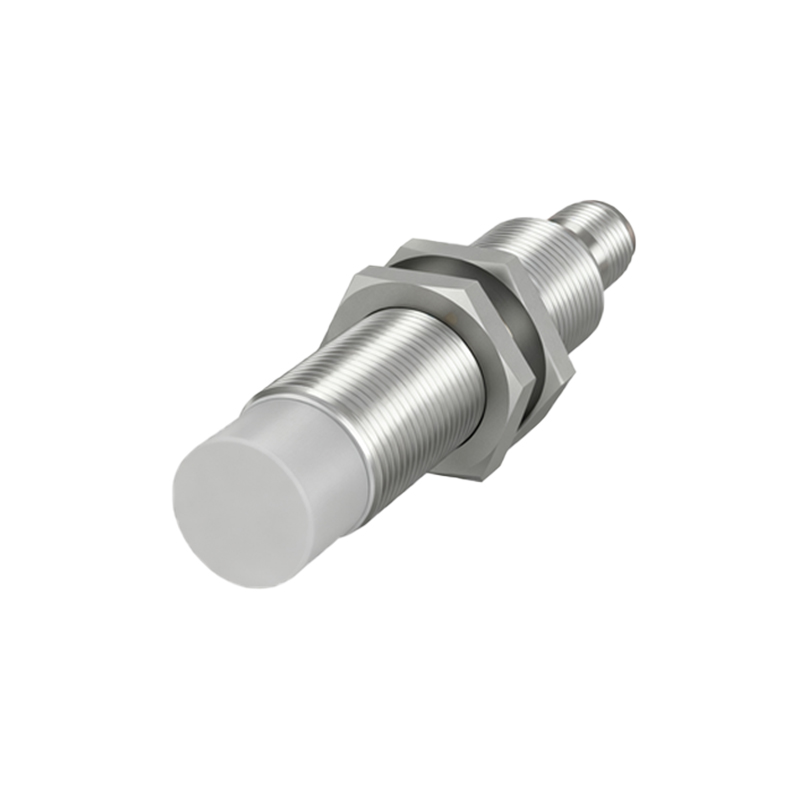
Market factors also play a role. Brand reputation, market demand for specific models, and regional distribution logistics can cause price variations. Established brands with a long history of reliability often maintain premium pricing. Additionally, packaging (bulk vs. individual retail packaging) and order volume directly affect the final price per unit, with substantial discounts typically available for large-scale OEM integrations or volume purchases.
In conclusion, the price of a genuine proximity sensor is a direct function of its advanced technology, superior construction, certified performance, and the extensive support ecosystem behind it. While initial purchase price is a consideration, the Total Cost of Ownership (TCO) is a more accurate metric. Genuine OEM sensors, through their extended service life, unmatched reliability, and minimal maintenance needs, often prove to be the most cost-effective choice over the lifespan of a machine or production line. Specifying genuine parts is an investment in system integrity, safety, and ultimately, the profitability of industrial operations.