In the realm of industrial automation and control systems, sensors are the fundamental components that provide critical data about the physical world to machines and controllers. Among the diverse sensor families, proximity sensors and photoelectric sensors are two of the most widely utilized types for object detection. While their end goal—detecting the presence or absence of an object—is similar, their underlying operating principles, performance characteristics, and ideal applications differ significantly. Understanding these distinctions is paramount for engineers and system designers to select the optimal sensor for a given task, ensuring reliability, efficiency, and cost-effectiveness.
Fundamental Operating Principles
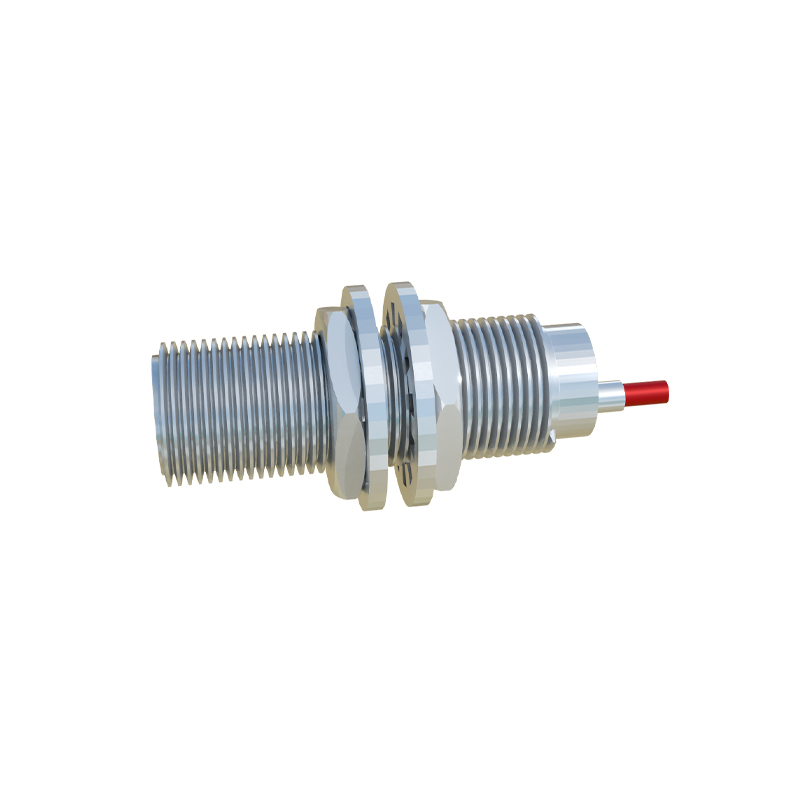
The core distinction lies in their detection methods. A proximity sensor, specifically an inductive or capacitive proximity sensor, operates by generating an electromagnetic field. An inductive proximity sensor detects metallic objects. When a metallic target enters its oscillating electromagnetic field, it induces eddy currents within the target. This causes a change in the oscillation amplitude, which the sensor's circuit detects, triggering an output signal. Capacitive proximity sensors, on the other hand, can detect both metallic and non-metallic materials (like plastics, wood, or liquids) by sensing changes in capacitance caused by the target object entering its electrostatic field.
In contrast, a photoelectric sensor utilizes light as its detection medium. It consists of a light emitter (typically an LED, often infrared, red, or laser) and a receiver. The sensor detects an object by interpreting changes in the emitted light beam. This is achieved through different sensing modes: Through-beam (where the emitter and receiver are separate units, and detection occurs when the object breaks the beam), Retro-reflective (using a reflector to bounce the light back to the receiver), and Diffuse (or proximity) mode (where the sensor detects light reflected directly off the target object).
Key Performance Comparisons
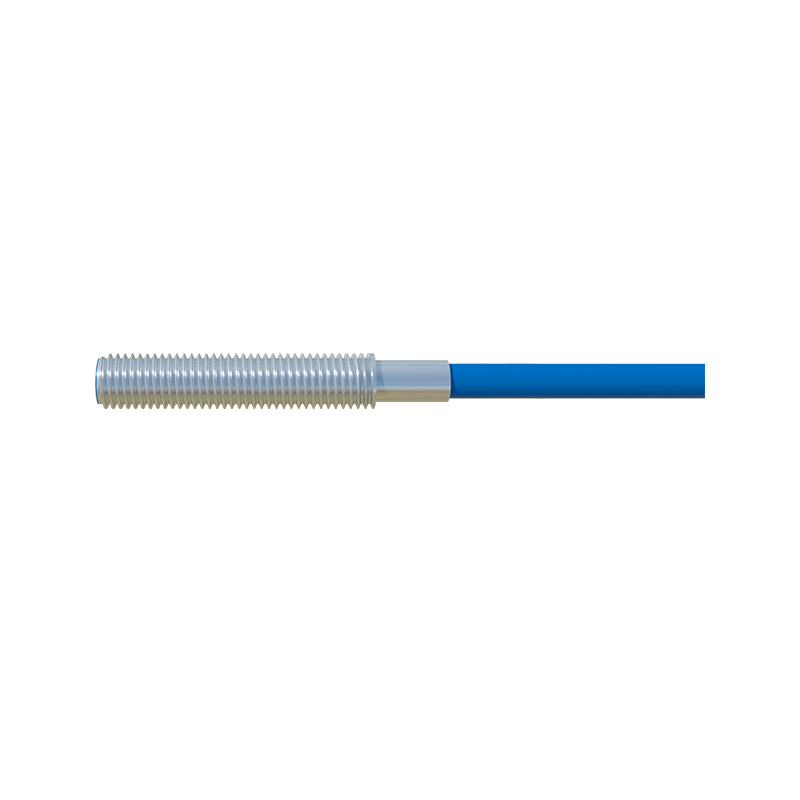
1. Sensing Range: Photoelectric sensors generally offer much longer sensing ranges, from a few centimeters up to several hundred meters for specialized laser models. Proximity sensors have relatively short ranges, typically from a few millimeters to about 60 millimeters for inductive types, and slightly more for capacitive types. The range is highly dependent on the target material and size.
2. Target Material Sensitivity: Inductive proximity sensors are highly specific to metals, with detection distance varying based on the metal's properties (e.g., steel vs. aluminum). Capacitive sensors are versatile with materials but can be influenced by environmental factors like humidity. Photoelectric sensors can detect virtually any object that interrupts or reflects light, regardless of material, though the color, transparency, and surface finish of the object can affect performance, especially in diffuse mode.
3. Environmental Factors: Proximity sensors, particularly inductive ones, are robust in harsh environments. They are largely unaffected by dust, dirt, smoke, or ambient light. Their sealed construction makes them suitable for washdown areas. Photoelectric sensors can be impaired by environmental obstructions like heavy dust, fog, or direct ambient light interference, which may scatter or overpower the emitted beam. However, models with modulated LED light and specialized housings are designed to mitigate these issues.
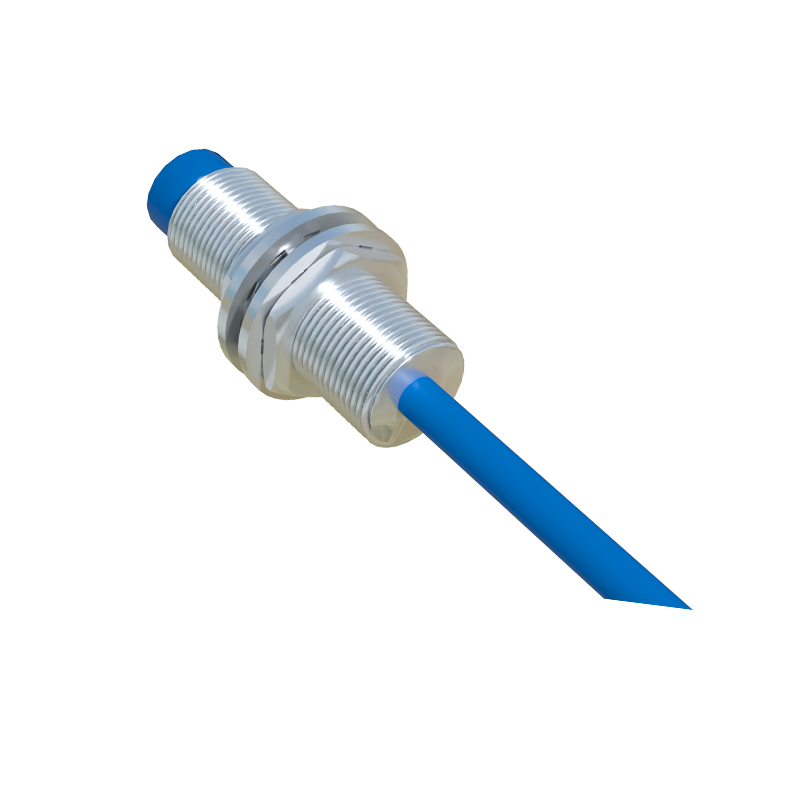
4. Speed and Response Time: Both sensor types offer very fast response times, suitable for high-speed counting and positioning. Modern versions of both can operate in the kilohertz range.
5. Installation and Alignment: Proximity sensors are generally easier to install as they do not require precise alignment with a receiver or reflector—only the target must pass within their detection field. Photoelectric sensors, especially through-beam and retro-reflective types, require careful alignment during installation, which can be more time-consuming.
Typical Application Scenarios
Choosing between them often comes down to the specific application requirements.
Use a Proximity Sensor (Inductive) when: Detecting metal objects at close range in dirty, oily, or wet conditions is needed. Common applications include end-of-travel detection for metal machine parts, counting metal cans on a conveyor, verifying the presence of a nut or bolt, and position sensing in CNC machines or robotic arms.
Use a Proximity Sensor (Capacitive) when: Detecting non-metallic materials, granular solids, or liquids through a container wall is necessary. Examples include level detection of liquids or powders in tanks, detecting filled plastic bottles, or sensing the presence of wood or glass panels.
Use a Photoelectric Sensor when: Long-range detection is required, or the target is non-metallic. They excel at detecting small objects, transparent materials (with specialized models), and objects on high-speed conveyors. Applications include box counting on warehouse conveyors, detecting transparent glass bottles, web break detection in printing, and people counting at entryways.
In conclusion, there is no universal "best" sensor. The proximity sensor is the workhorse for robust, short-range