Proximity sensors are indispensable components in modern industrial automation, providing non-contact detection of objects within a defined range without physical interaction. These devices are engineered to enhance efficiency, safety, and reliability across various applications, from manufacturing assembly lines to robotic systems. Understanding their operating principles is essential for selecting the right sensor type based on specific environmental and operational needs.
The core principle behind proximity sensors involves generating an electromagnetic field or beam and detecting changes caused by the presence of a target object. There are several primary types, each leveraging distinct technologies. Inductive proximity sensors are widely used for detecting metallic objects. They consist of an oscillator circuit that creates a high-frequency electromagnetic field around the sensor's active surface. When a metal object enters this field, eddy currents are induced on the object's surface, causing a change in the oscillation amplitude. This alteration is detected by a threshold circuit, which triggers an output signal—typically a switch to an ON or OFF state. These sensors are ideal for harsh industrial environments due to their robustness and resistance to contaminants like dust or oil.
Capacitive proximity sensors, on the other hand, can detect both metallic and non-metallic materials, including liquids, plastics, and wood. They operate by generating an electrostatic field between two electrodes. When an object enters this field, it alters the capacitance between the electrodes, leading to a change in the oscillator's frequency or amplitude. This change is processed to activate the output. Capacitive sensors are particularly useful in applications involving material level detection or presence sensing of non-conductive items.
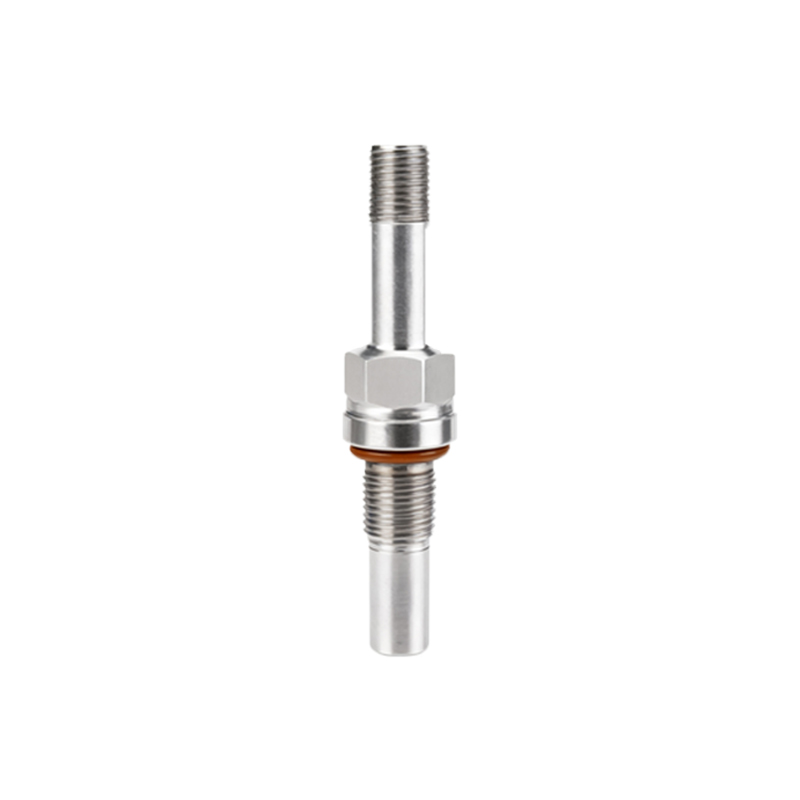
Ultrasonic proximity sensors utilize sound waves beyond the human hearing range (typically 20 kHz to 200 kHz). They emit ultrasonic pulses and measure the time taken for the echo to return after reflecting off an object. By calculating the time-of-flight, the sensor determines the distance to the target. These sensors excel in detecting objects regardless of color, transparency, or material composition, making them suitable for complex environments where other sensors might fail.
Photoelectric proximity sensors rely on light beams, usually infrared or laser, to detect objects. They consist of an emitter and a receiver. When an object interrupts or reflects the light beam, the receiver detects the change in light intensity, prompting an output signal. Variations include through-beam, retro-reflective, and diffuse reflective models, each offering different sensing ranges and accuracies. Photoelectric sensors are versatile and commonly used in packaging, material handling, and safety systems.
Key factors influencing sensor selection include sensing distance, target material, environmental conditions (e.g., temperature, humidity, and interference), and response time. For instance, inductive sensors offer short to medium ranges but are unaffected by non-metallic obstructions, while ultrasonic sensors provide longer ranges but may be affected by air turbulence or soft materials that absorb sound.
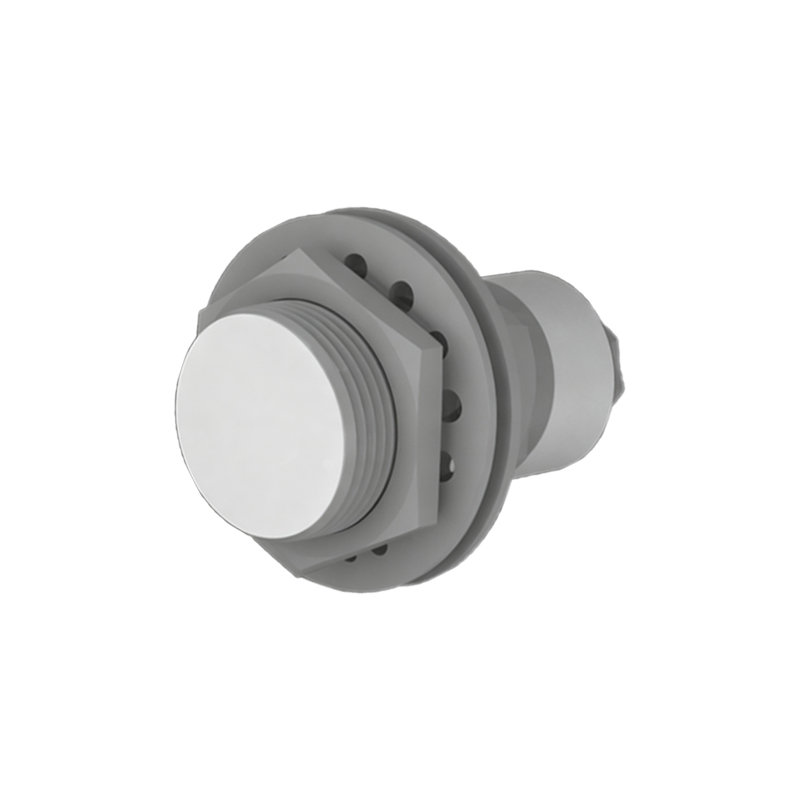
In practice, proximity sensors contribute to automation by enabling precise control, reducing mechanical wear, and preventing collisions. They are integral to processes such as object counting, position verification, and automated guidance. Regular maintenance, including cleaning and calibration, ensures optimal performance and longevity.
As Industry 4.0 advances, proximity sensors are evolving with smart features like IO-Link connectivity, allowing for real-time data exchange and predictive maintenance. Understanding these principles empowers engineers to design efficient, resilient systems that meet the demands of contemporary industrial applications.