Laser displacement sensors are critical components in modern industrial automation, providing non-contact, high-precision measurement for tasks ranging from quality control and robotic guidance to vibration analysis. Their reliability is paramount for maintaining production efficiency and product quality. However, like any sophisticated electro-optical instrument, they are susceptible to failure. Understanding the root causes, diagnostic procedures, and preventive measures for laser displacement sensor failure is essential for engineers and maintenance personnel.
The failure modes of laser displacement sensors can be broadly categorized into optical, electronic, mechanical, and environmental causes.
Optical Path Contamination and Damage: This is one of the most frequent failure sources. The emission and reception lenses are vulnerable to contamination from dust, oil mist, coolant, or other airborne particulates prevalent in industrial settings. Accumulation on the lens surface attenuates the emitted laser beam and scatters or blocks the reflected light, leading to signal loss, erratic readings, or complete measurement failure. More severe optical damage includes scratches on the lens from improper cleaning or physical impact, and internal degradation of optical components like the laser diode or the receiver's photodetector array (e.g., CCD or PSD). Laser diode failure itself can manifest as a gradual decrease in output power or a sudden catastrophic failure.

Electronic Component Failure: The sensor's internal circuitry, including power regulators, signal amplifiers, analog-to-digital converters (ADCs), and communication interfaces, can fail. Causes include voltage spikes or transients on the power supply line, electrostatic discharge (ESD) during handling, or prolonged exposure to high temperatures leading to component degradation. Failures in the digital signal processor (DSP) or firmware can cause incorrect data processing, communication lock-ups, or a complete system halt.
Mechanical Misalignment and Stress: Although designed for stability, sensors can suffer from mechanical issues. Vibration from heavy machinery can loosen mounting hardware, causing slight shifts in alignment that drastically affect measurement accuracy. Excessive mechanical shock from collisions or drops can damage internal components or permanently misalign the optical assembly. Stress on the cable or connector, often at the gland entry point, can lead to broken wires, intermittent connections, or compromised environmental sealing.
Hostile Environmental Factors: Operating a sensor outside its specified environmental ratings is a direct path to premature failure. Excessive ambient temperature can cause thermal drift in measurements and accelerate electronic aging. High humidity or condensation can lead to internal fogging of optics or corrosion of electrical contacts. Certain aggressive chemicals can degrade sensor housing materials, seals, or lens coatings. Furthermore, optical interference from other light sources, such as strong ambient sunlight, arc welding, or other laser systems, can saturate the receiver and cause measurement errors or temporary blindness.
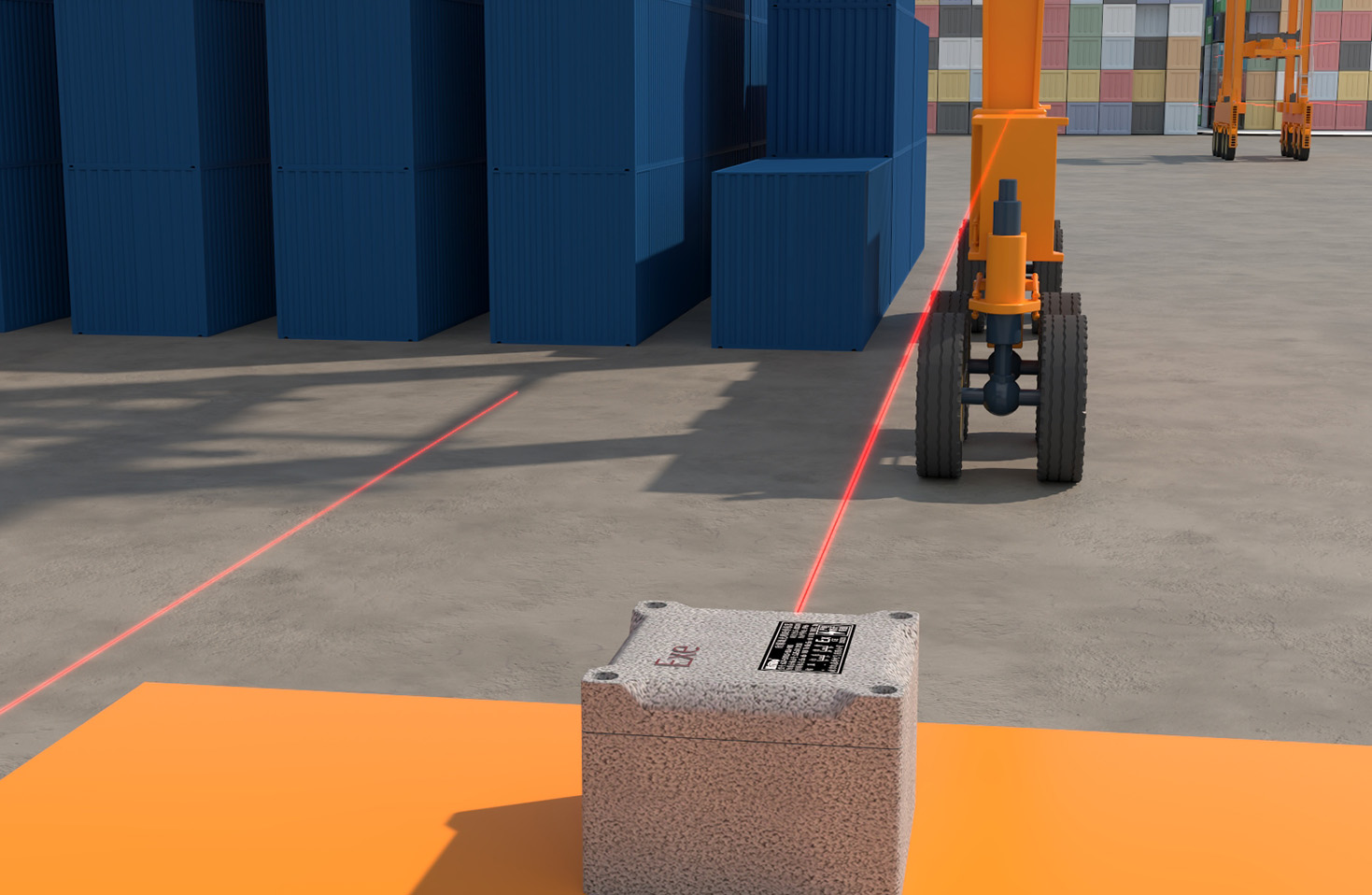
Diagnosing Sensor Failure: A systematic approach is required for diagnosis. Begin with a visual inspection of the lens for contamination or damage, and check the housing, cables, and connectors for physical integrity. Verify the installation: ensure correct mounting, alignment, and stand-off distance as per the datasheet. Use a multimeter to check the power supply voltage at the sensor connector under load to rule out electrical issues. Most modern sensors provide diagnostic outputs via their software or built-in indicators (e.g., LED status lights) that signal conditions like "beam receive level low," "overload," or "communication error." Monitoring the received light intensity value, often available as a diagnostic parameter, is invaluable. A low or fluctuating value typically points to an optical problem (dirt, misalignment, or target issues), while a normal light level with bad measurements suggests an internal electronic or processing fault. If possible, substituting the sensor with a known-good unit on the same application is the most conclusive test.
Preventive Maintenance and Best Practices: Preventing failure is more cost-effective than repair. Implement a regular lens cleaning schedule using approved materials (e.g., lens tissue and appropriate solvent) and techniques to avoid scratching. Ensure proper installation: use vibration-damping mounts if necessary, secure cables with strain relief, and adhere strictly to environmental specifications. Employ protective measures such as external air purges (using clean, dry air) to keep lenses clear in dirty environments, or install physical guards to prevent collisions. On the electrical side, use regulated power supplies and consider surge protection devices or ESD-safe handling procedures. Finally, adhere to the manufacturer's calibration and service interval recommendations to catch potential drift or degradation early.
In conclusion, laser displacement sensor failure is rarely random. It typically stems from identifiable causes related to the operating environment, installation practices, or external stressors. By combining a deep understanding of failure mechanisms with rigorous preventive maintenance and adept diagnostic techniques, engineers can maximize sensor uptime, ensure measurement integrity, and protect their investment in automation infrastructure. Recognizing that the sensor is part of a larger system—interacting with the target, environment, and controller—is key to effective troubleshooting and longevity.