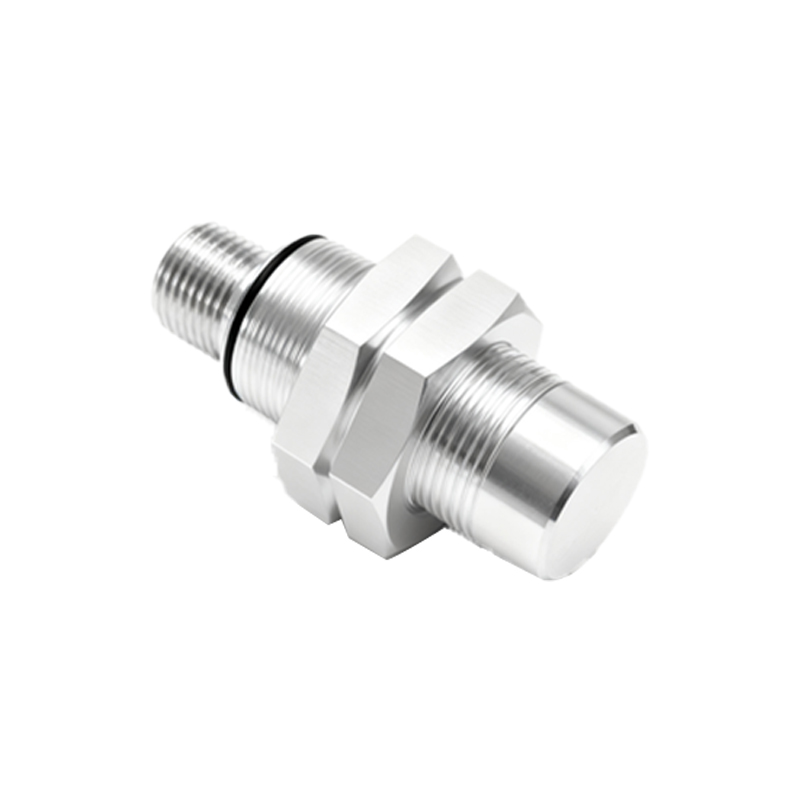
In the realm of industrial automation and electrical engineering, proximity sensor motors have emerged as indispensable components, driving efficiency, safety, and precision across diverse applications. These integrated systems combine the functionality of proximity sensors—devices that detect the presence or absence of objects without physical contact—with electric motors, enabling seamless control and operation in dynamic environments. The synergy between sensors and motors forms the backbone of modern automated processes, from manufacturing lines to robotics, ensuring reliable performance and reducing human intervention.
Proximity sensor motors primarily serve to enhance operational safety and accuracy. By detecting nearby objects through electromagnetic, capacitive, or inductive sensing technologies, these systems can trigger motor actions such as starting, stopping, or adjusting speed in real-time. For instance, in conveyor belt systems, proximity sensors monitor the position of items, signaling the motor to halt if an obstruction is detected, thereby preventing collisions and equipment damage. This non-contact detection capability minimizes wear and tear, extending the lifespan of mechanical parts and reducing maintenance costs. In hazardous environments where human presence is risky, such as high-temperature zones or areas with toxic materials, proximity sensor motors enable remote, automated control, safeguarding personnel while maintaining productivity.
Another critical role lies in precision control and energy efficiency. In applications like CNC machines or robotic arms, proximity sensors provide feedback on position and movement, allowing motors to execute exact motions with minimal error. This precision is vital for tasks requiring high repeatability, such as assembly or welding in automotive industries. Moreover, by activating motors only when needed—based on sensor input—energy consumption is optimized. For example, in HVAC systems, proximity sensors detect occupancy in rooms, prompting motors to adjust fan speeds or shut down entirely when spaces are unoccupied, leading to significant energy savings. This responsiveness not only cuts operational costs but also aligns with sustainability goals by reducing carbon footprints.
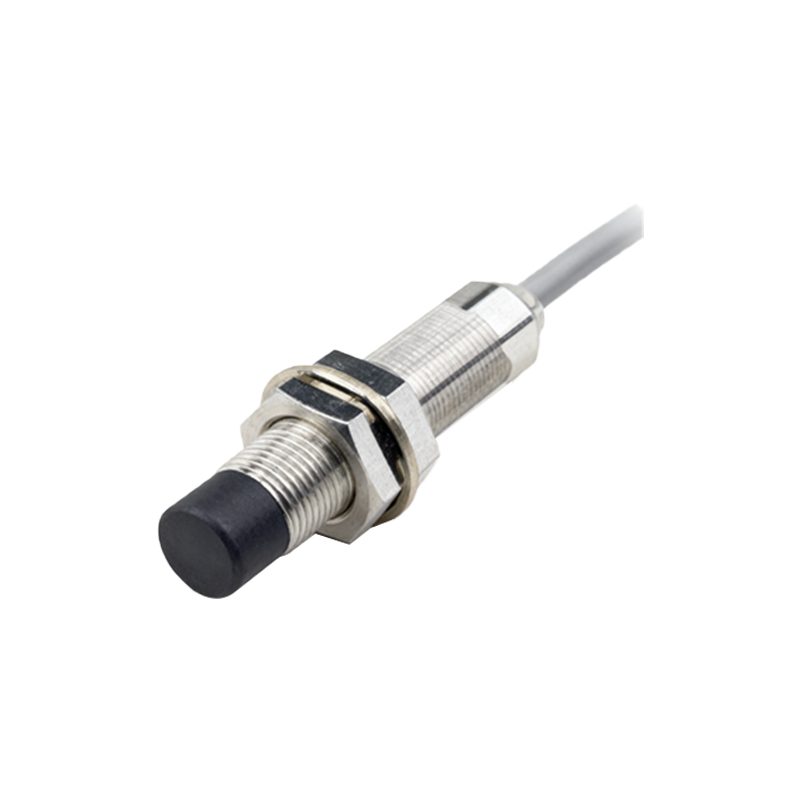
The integration of proximity sensor motors also supports advanced functionalities like predictive maintenance and data analytics. Modern systems often incorporate IoT connectivity, where sensor data on motor performance—such as vibration, temperature, or load—is analyzed to predict potential failures before they occur. This proactive approach minimizes downtime and enhances overall system reliability. In smart factories, these motors contribute to Industry 4.0 initiatives by enabling real-time monitoring and adaptive control, fostering a more agile and interconnected production ecosystem.
Common applications span various sectors. In automotive manufacturing, proximity sensor motors guide robotic welders and assembly lines, ensuring precise part placement. In packaging industries, they regulate filling machines by detecting container positions, while in agriculture, they automate irrigation pumps based on soil proximity readings. Even in consumer electronics, these systems are found in automated doors or elevator controls, where sensors detect movement to activate motor-driven mechanisms smoothly.
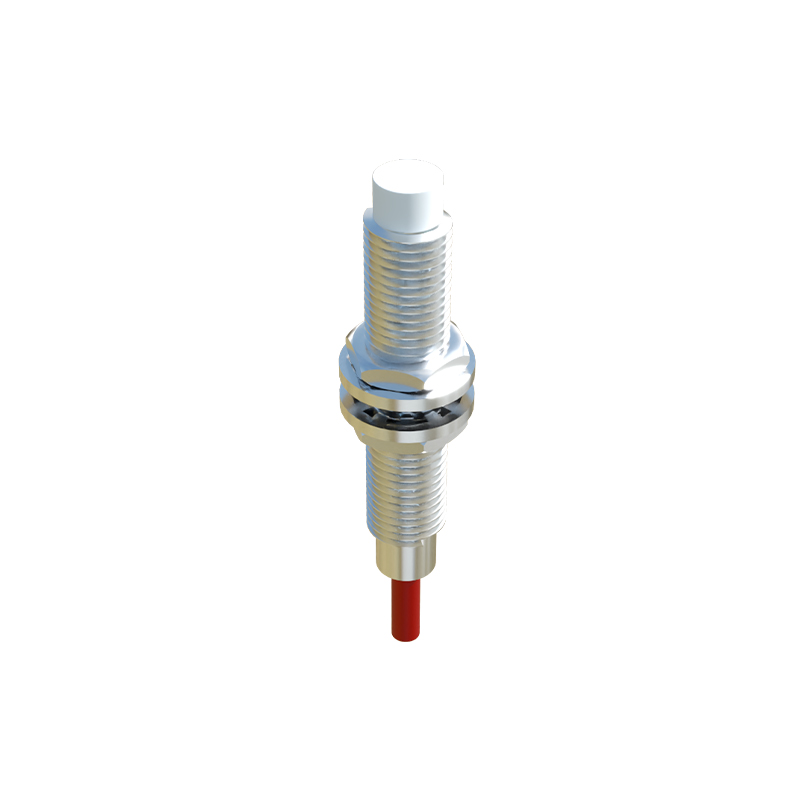
Despite their advantages, challenges exist, such as interference from environmental factors like metal debris or electromagnetic noise, which can affect sensor accuracy. Engineers address this through shielding, calibration, and selecting appropriate sensor types—e.g., inductive sensors for metal objects or capacitive sensors for non-metallic materials. Regular testing and integration with robust motor controllers further ensure stable operation.
In summary, proximity sensor motors are pivotal in advancing electrical systems toward greater autonomy and intelligence. By merging detection and actuation, they enable safer, more efficient, and precise operations, underpinning innovations in automation and smart technology. As industries evolve, the continued refinement of these systems will likely expand their roles, driving progress in fields from renewable energy to medical devices. For electrical professionals, understanding their functions and applications is key to designing resilient, future-ready solutions.