In the realm of security and industrial automation, laser alarm sensors represent a pinnacle of precision and reliability. Unlike traditional infrared or microwave sensors, laser-based systems utilize a focused beam of coherent light to detect intrusions or changes in a monitored environment. This technology offers unparalleled accuracy, making it indispensable for high-security facilities, perimeter protection, and sensitive industrial processes.
The core principle of a laser alarm sensor involves the transmission and reception of a laser beam. A transmitter emits a continuous or pulsed laser beam directed towards a receiver unit. Any object interrupting this beam path triggers an alarm. More advanced systems employ modulation techniques, where the beam is encoded with a specific frequency. The receiver is tuned to this frequency, making the system highly resistant to interference from ambient light or attempts to deceive it with other light sources. This modulation is a key differentiator, ensuring false alarms are minimized—a critical factor in security applications.
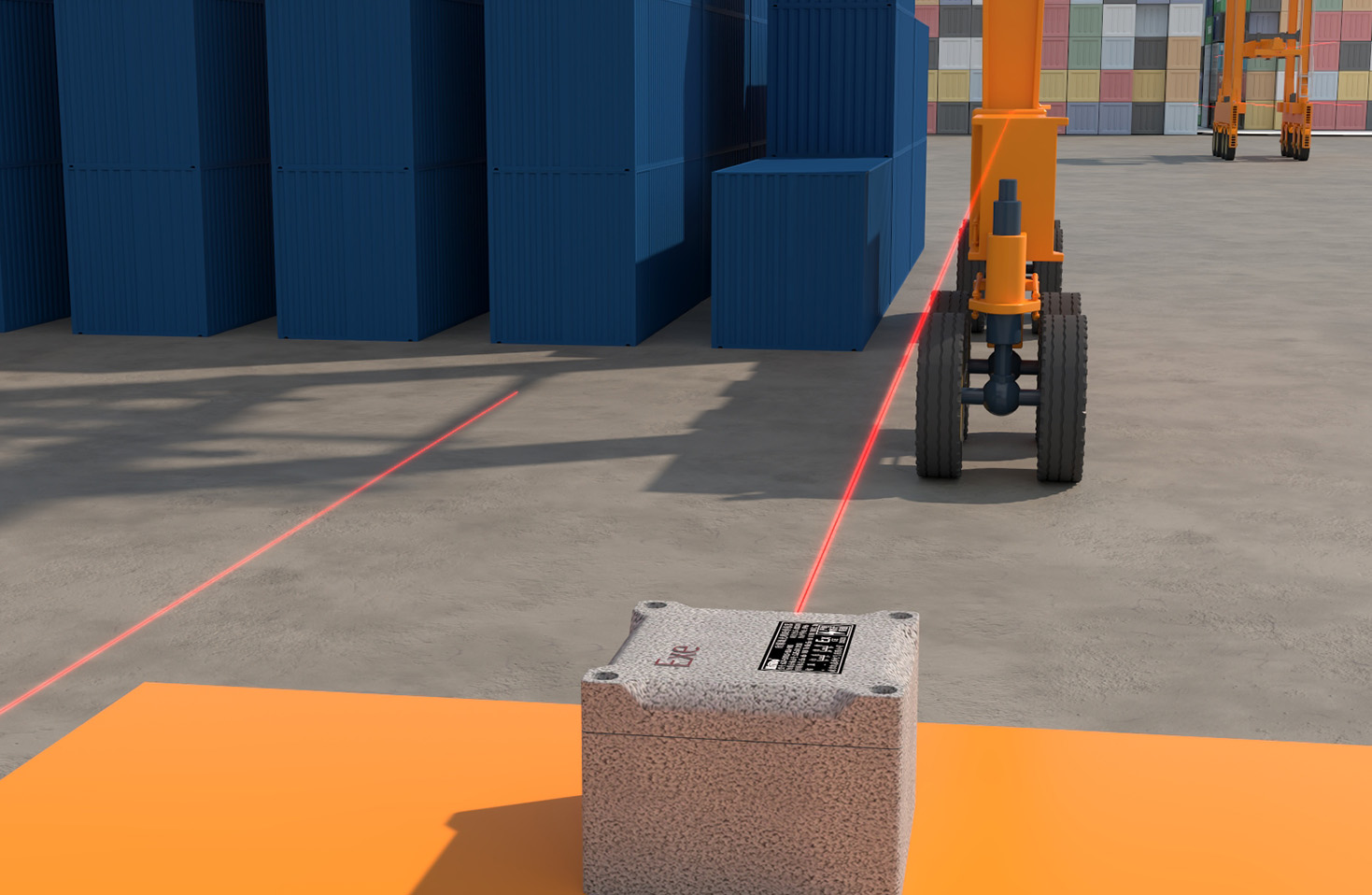
The advantages of laser sensors are numerous. Their primary benefit is exceptional range. A single laser beam can effectively cover distances exceeding hundreds of meters with minimal divergence, unlike infrared beams that scatter over distance. This allows for the protection of long perimeters, such as around airports, power plants, or border fences, with fewer sensor units. Secondly, the precision of the laser beam creates a very narrow detection zone. This allows for highly targeted monitoring, such as protecting a specific window, doorway, or piece of machinery without being triggered by movement in adjacent areas. Furthermore, their performance is largely unaffected by environmental factors like rain, fog, or dust, especially when using specific wavelengths and robust housing rated for outdoor use (e.g., IP67).

Applications for laser alarm sensors are diverse. In security, they form invisible "light curtains" or fences around critical infrastructure. They are also used in museum settings to protect individual artifacts, where a break in the beam can signal an attempted touch or theft. Beyond security, industrial automation heavily relies on them. They serve as precise safety light curtains on factory floors, instantly halting machinery if a worker's hand breaches the protected zone. They are also integral in alignment systems, object detection on high-speed production lines, and monitoring the fill levels in containers or silos.
When selecting a laser alarm sensor, several technical parameters must be considered. Range is the foremost specification, determined by the laser's power and the receiver's sensitivity. The required operating voltage (commonly 12-24V DC) and output type (relay, NPN/PNP transistor) must be compatible with the existing control panel or PLC. Environmental rating is crucial for outdoor models. Modulation type and the potential for synchronized multi-zone systems (where one receiver can monitor multiple transmitters on different frequencies) add layers of sophistication. Finally, compliance with regional safety standards for laser products (like IEC 60825) is non-negotiable to ensure eye safety.
Installation and alignment are critical steps. The transmitter and receiver must be precisely aligned, often aided by built-in visual or audible alignment aids. They should be mounted on stable surfaces to prevent vibration from misaligning the beam. Regular maintenance involves cleaning the lenses to prevent dirt buildup from attenuating the signal and periodic functional testing.

In conclusion, laser alarm sensors offer a superior blend of long range, pinpoint accuracy, and environmental robustness. While their initial cost may be higher than conventional sensors, their reliability, reduced false alarm rate, and lower long-term maintenance needs provide significant value. For engineers and system integrators designing protection for high-value assets or critical processes, laser-based detection is often the optimal technological choice, providing a clear, invisible line of defense that is as precise as it is powerful.