Proximity sensor switches are indispensable components in modern industrial automation and control systems. These non-contact sensing devices detect the presence or absence of an object within a specified range without any physical contact, offering reliability, longevity, and precision that mechanical switches cannot match. Widely utilized across manufacturing, automotive, packaging, and material handling sectors, proximity sensors enhance operational efficiency, safety, and system responsiveness.
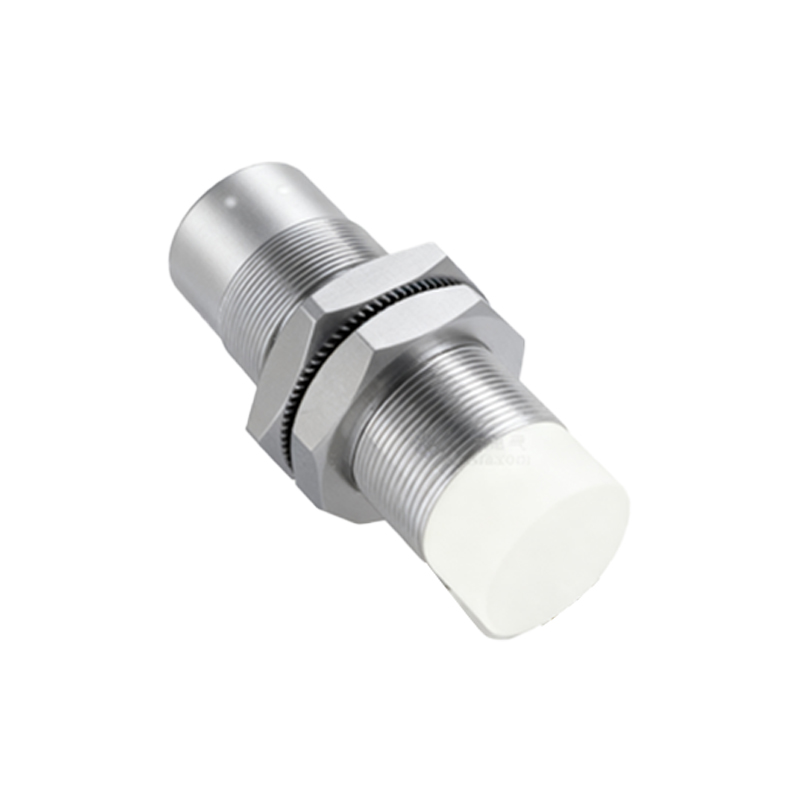
There are several primary types of proximity sensors, each based on different detection principles. Inductive proximity sensors are designed to detect metallic objects, typically ferrous metals like iron and steel, by generating an electromagnetic field. When a metal object enters this field, it induces eddy currents that alter the sensor's oscillation amplitude, triggering a switch signal. These sensors are robust, resistant to environmental contaminants like dust or oil, and ideal for harsh industrial environments. Capacitive proximity sensors, on the other hand, can detect both metallic and non-metallic materials, including liquids, plastics, and wood. They operate by measuring changes in capacitance when an object enters their electrostatic field. This versatility makes them suitable for applications such as level detection in tanks or presence sensing of packaging materials. Ultrasonic proximity sensors use sound waves beyond human hearing to detect objects, measuring the time delay between emitted and reflected signals. They are effective for distance measurement and detecting transparent or irregularly shaped items. Finally, photoelectric sensors employ light beams (usually infrared) to sense objects, offering long-range detection but requiring a clear optical path.
The selection of a proximity sensor depends on various application-specific factors. Key considerations include the sensing distance, which must accommodate the target object's position without false triggers; the target material, as inductive sensors only work with metals; environmental conditions like temperature extremes, humidity, or exposure to chemicals; and output requirements, such as digital (PNP/NPN) or analog signals for integration with PLCs (Programmable Logic Controllers) or other control systems. Additionally, factors like housing material (e.g., stainless steel for corrosive settings), switching frequency for high-speed operations, and protection ratings (e.g., IP67 for dust and water resistance) are critical for ensuring durability and performance.
In practice, proximity sensors serve diverse functions. In automotive assembly lines, inductive sensors monitor the position of metal components, ensuring precise robotic welding or part placement. In packaging machinery, capacitive sensors verify the presence of liquid-filled bottles, while ultrasonic sensors manage stack height in palletizing systems. They also play a vital role in safety systems, such as detecting door closures or guarding hazardous machine zones to prevent accidents. Regular maintenance, including cleaning lens surfaces for photoelectric sensors or checking for metal debris around inductive units, helps prevent malfunctions and extends service life.
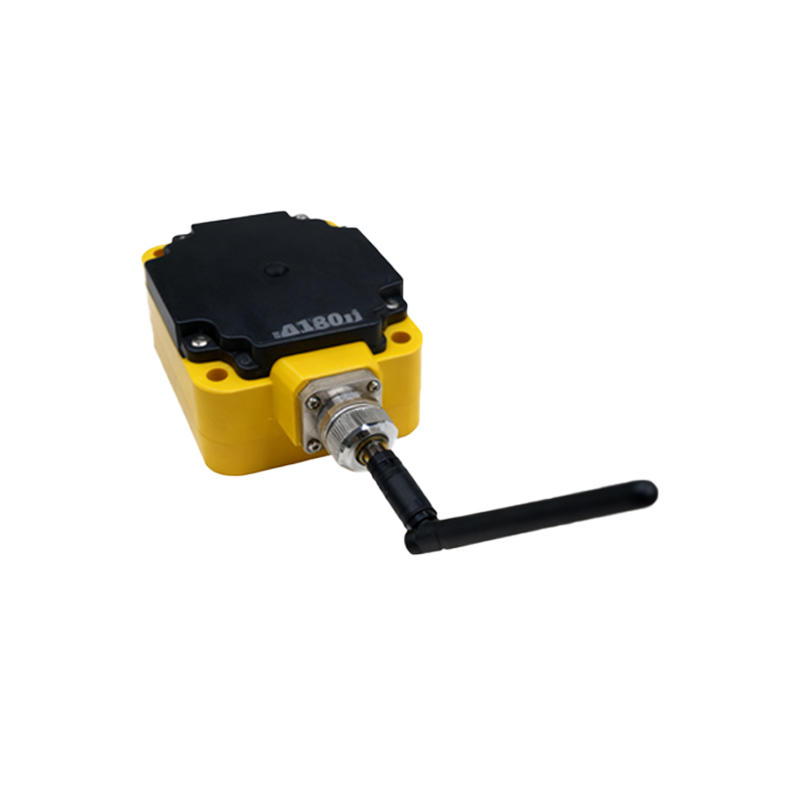
Advancements in proximity sensor technology continue to drive industrial innovation. Modern sensors feature enhanced sensitivity, miniaturization for space-constrained installations, and smart capabilities like IO-Link communication for real-time diagnostics and parameter adjustments. These developments support Industry 4.0 initiatives, enabling predictive maintenance and seamless data integration. When implementing proximity sensors, engineers should follow manufacturer guidelines for mounting, wiring, and shielding to avoid interference from adjacent electromagnetic sources. Proper alignment and testing under actual operating conditions are essential to optimize detection accuracy and system reliability.
Overall, proximity sensor switches are foundational to automated industrial processes, offering a blend of versatility, resilience, and precision. By understanding their types, selection criteria, and applications, engineers can deploy these sensors effectively to improve productivity and maintain robust control systems in dynamic industrial environments.