In industrial automation and precision manufacturing, laser focus sensors play a critical role in ensuring accuracy, consistency, and quality. These sensors operate by emitting a laser beam onto a target surface and analyzing the reflected light to determine precise distance or position. However, a common and often disruptive issue encountered in real-world applications is sensor occlusion—the partial or complete blocking of the laser beam or its return path. This phenomenon can lead to measurement errors, process interruptions, and potential equipment downtime.
Occlusion typically occurs when foreign objects, environmental contaminants, or even part of the target material itself obstructs the sensor's line of sight. Common culprits include dust, smoke, oil mist, flying debris from machining processes, accumulated dirt on lens covers, or incidental interference from other machinery components. In applications like robotic welding, CNC machining, or automated assembly lines, even a momentary occlusion can compromise the entire operation. The sensor may output an erroneous reading, fail to register a valid measurement, or trigger a fault condition, halting the production line.
The impact of occlusion varies based on sensor technology. Confocal chromatic sensors, for instance, rely on a specific spectral analysis of reflected light. Occlusion can scatter or absorb certain wavelengths, leading to a loss of signal or incorrect distance calculation. Laser triangulation sensors depend on the position of the reflected spot on a detector array; blockage can distort this spot location. In contrast, time-of-flight (ToF) sensors might be slightly more robust to partial occlusion but can still produce noisy data if the primary return signal is attenuated.
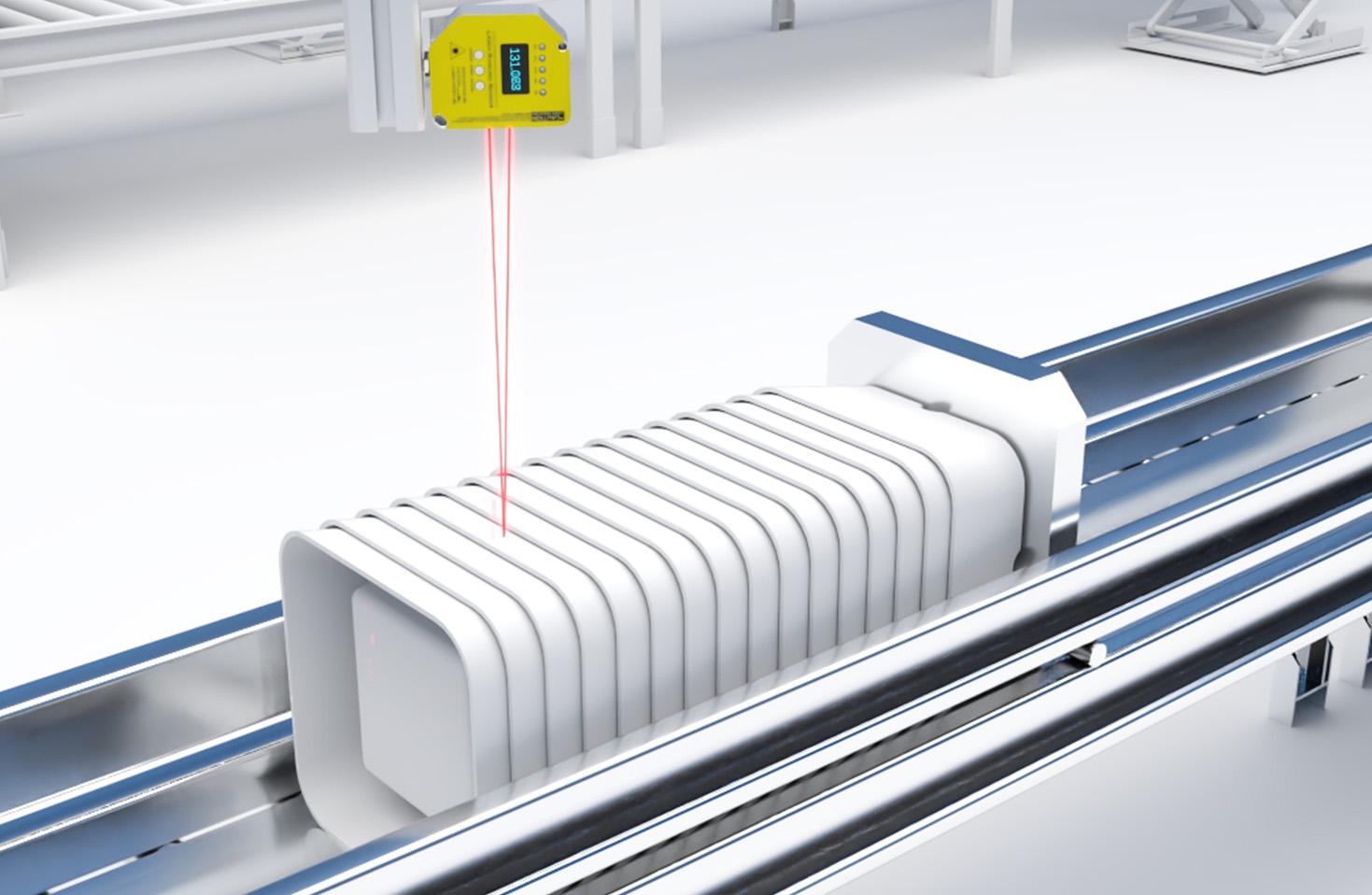
Preventing and mitigating occlusion requires a multi-faceted approach. First, proper sensor selection and placement are paramount. Engineers should consider the operating environment and choose sensors with appropriate ingress protection (IP) ratings. Sensors rated IP67 or higher can resist dust and temporary immersion, protecting internal optics. Placement should minimize exposure to direct contamination paths—for example, positioning sensors away from coolant spray zones or chip ejection points.
Second, regular maintenance schedules are non-negotiable. This includes cleaning lens windows with approved materials, checking for seal integrity, and inspecting the surrounding area for potential obstructions. Automated purge systems that maintain a positive air pressure flow across the sensor window can effectively keep contaminants at bay in harsh environments.
Third, advanced sensor models now incorporate software algorithms designed to detect occlusion. These algorithms can differentiate between a valid "no target" condition and an occlusion event by analyzing signal quality, intensity, or pattern. Upon detecting potential occlusion, the sensor can output a specific diagnostic flag or hold the last valid measurement, allowing the control system to decide on a course of action—whether to pause, alert an operator, or initiate a cleaning cycle.

Furthermore, system-level design considerations can reduce occlusion risks. Using protective shrouds, baffles, or air knives to deflect contaminants away from the sensor path is effective. In some high-precision applications, redundant sensor setups provide a fail-safe; if one sensor is occluded, another can take over.
In conclusion, laser focus sensor occlusion is a significant but manageable challenge in industrial settings. By understanding its causes—environmental contaminants, process debris, and improper installation—engineers can implement robust strategies involving careful sensor selection, strategic placement, diligent maintenance, and intelligent system design. Proactive management of occlusion not only ensures measurement reliability and process continuity but also extends the operational lifespan of sensitive optical equipment, safeguarding productivity and reducing costly unplanned downtime in automated manufacturing ecosystems.
