In the rapidly evolving landscape of industrial automation, proximity sensors have emerged as critical components for enhancing efficiency, safety, and precision. Traditional inductive, capacitive, and ultrasonic sensors have long served their purposes, but recent technological advancements are driving a new wave of innovation. These next-generation proximity sensors are not only more accurate and reliable but also smarter, more adaptable, and seamlessly integrated into the Industrial Internet of Things (IIoT) ecosystem.
One of the most significant breakthroughs is the development of multi-technology hybrid sensors. By combining inductive and capacitive sensing principles into a single compact housing, these sensors can detect a wider range of materials—from metals to plastics and liquids—without requiring hardware swaps. This versatility drastically reduces machine downtime for reconfiguration and simplifies inventory management for maintenance teams. For instance, a single hybrid sensor on a packaging line can verify the presence of a metallic container, check the fill level of a non-conductive liquid inside, and detect a plastic cap, all in one cycle.
Furthermore, the integration of IO-Link communication protocol has been a game-changer. Modern intelligent proximity sensors equipped with IO-Link go beyond simple binary switching (object present/absent). They provide a continuous stream of valuable data, such as precise measurement distance, temperature readings, signal strength, and internal health diagnostics. This data enables predictive maintenance, as the sensor itself can alert the control system about potential failures, like lens contamination or gradual drift in performance, long before a catastrophic breakdown occurs. This shift from reactive to proactive maintenance saves substantial costs.
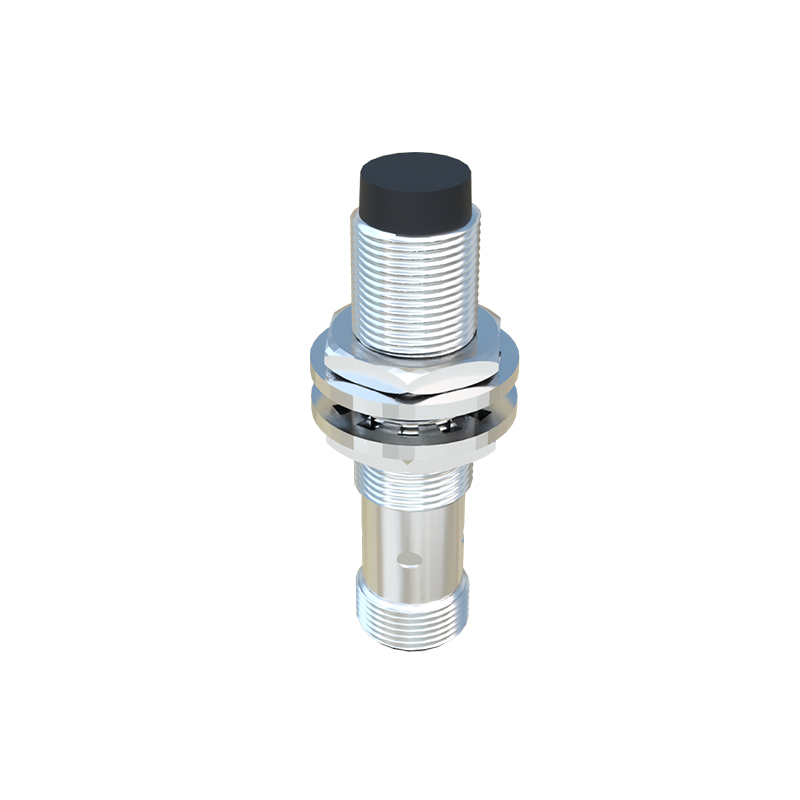
Miniaturization is another key trend. Engineers are now designing sensors so small they can be embedded into tight spaces previously deemed impossible. These micro-sensors enable new applications in robotics, especially in collaborative robot (cobot) grippers, where they provide delicate object detection and anti-collision safety in human-robot shared workspaces. Their low power consumption also makes them ideal for battery-operated mobile automation units.
Enhanced durability and robustness define the new generation. Sensors are now available with housing ratings up to IP69K, capable of withstanding high-pressure washdowns, extreme temperatures, and exposure to harsh chemicals. This makes them perfect for food and beverage, pharmaceutical, and chemical industries where hygiene and resilience are paramount. Advanced models also feature improved noise immunity, eliminating false triggers from electromagnetic interference (EMI) common in plants with variable frequency drives and heavy machinery.
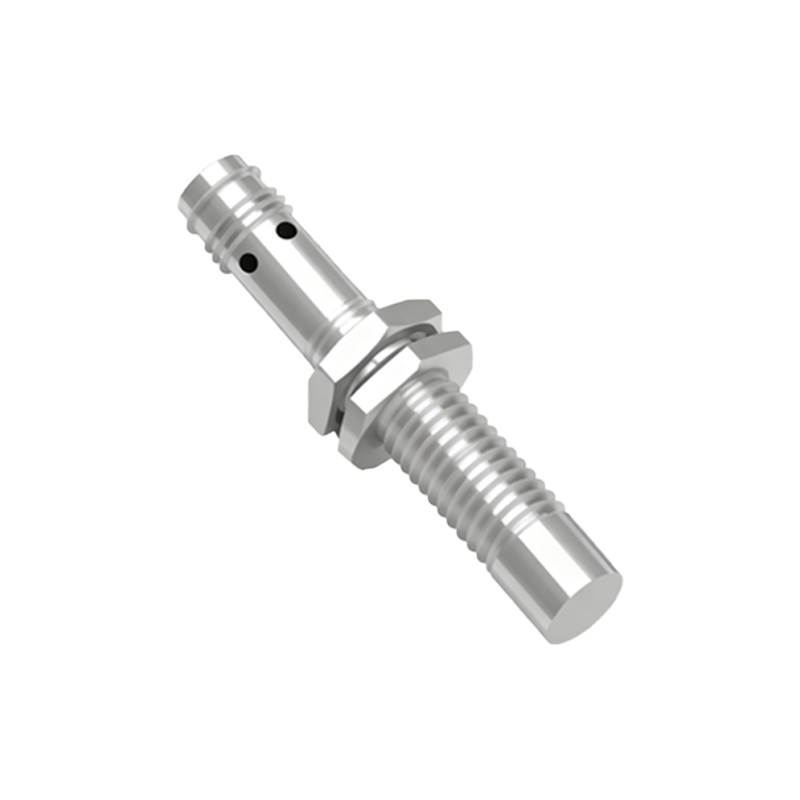
Looking ahead, the convergence of sensing and edge computing is paving the way for "smart sensors." These devices incorporate tiny processors that perform initial data analysis at the source. For example, a proximity sensor on a conveyor belt can count objects, distinguish between different item types based on sensing profile, and only send relevant aggregated data to the central PLC, reducing network load and enabling faster, localized decision-making. This is a cornerstone for decentralized, intelligent automation architectures.
In conclusion, the innovation in proximity sensor technology is fundamentally transforming industrial automation. By offering greater versatility, intelligence, connectivity, and robustness, these advanced sensors are crucial enablers for smarter factories, improved operational efficiency, and the realization of Industry 4.0 goals. Engineers and system integrators must stay abreast of these developments to leverage their full potential in designing the automated systems of tomorrow.