Proximity switch sensors are indispensable components in modern industrial automation, enabling non-contact detection of objects. Their correct wiring is paramount for ensuring system reliability, safety, and optimal performance. This guide details the standard wiring methods for the most common types of proximity sensors, adhering to industry best practices.
Understanding Sensor Types and Outputs
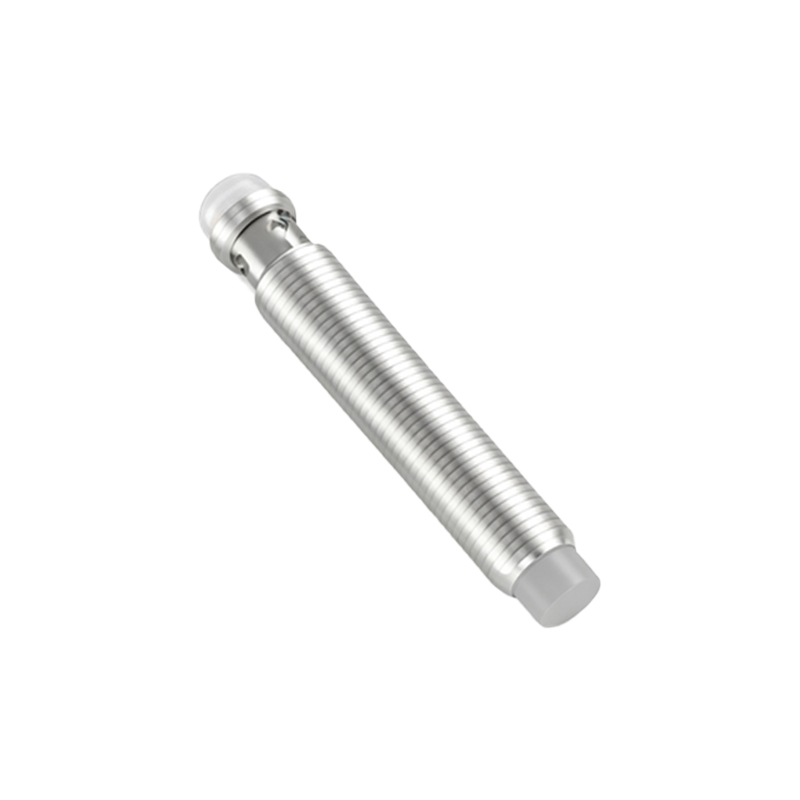
Before wiring, identifying the sensor type and its output configuration is crucial. The two primary categories are based on the detected target: Inductive (for metals) and Capacitive (for metals and non-metals). Furthermore, outputs are defined by both the switching element and the circuit logic.
Switching Element: DC sensors use solid-state transistors (PNP or NPN). AC/DC sensors typically use electromechanical relays.
Circuit Logic: This defines the normal state of the output circuit.
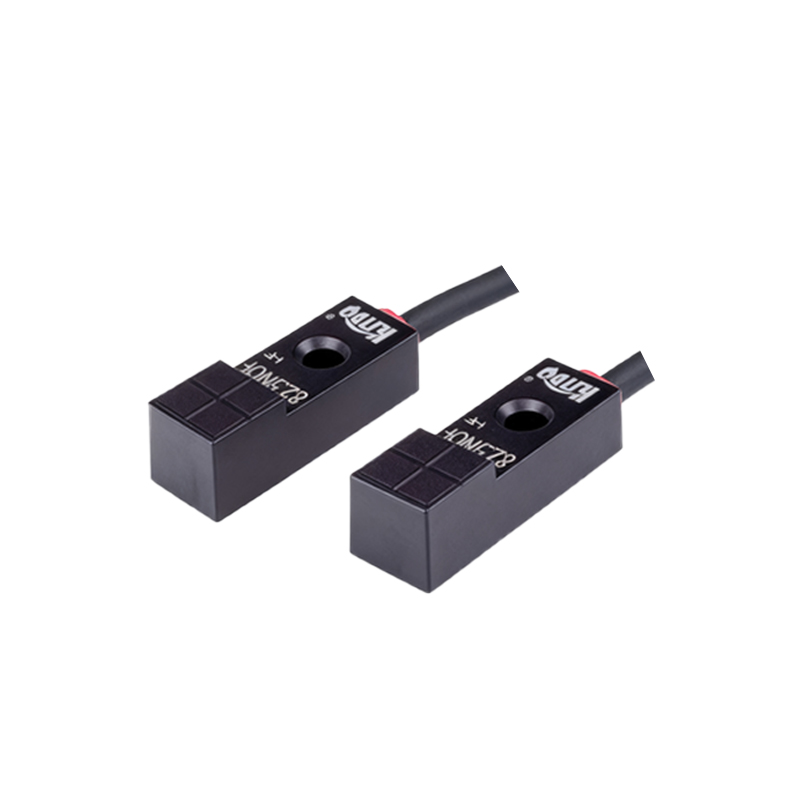
Normally Open (NO): The output circuit is open (off) when no target is present. It closes (on) when a target is detected within the sensing range.
Normally Closed (NC): The output circuit is closed (on) when no target is present. It opens (off) upon target detection.
DC 3-Wire Proximity Sensor Wiring (PNP vs. NPN)
This is the most prevalent configuration. The three wires are typically Brown (V+), Blue (V- / Common), and Black (Output). Some models may have a White wire for a second output or function.
PNP (Sourcing) Configuration: The output switch is connected between the positive supply and the load. The Brown wire connects to the positive DC supply voltage (e.g., +24VDC). The Blue wire connects to the negative DC supply (0V). The Black (output) wire connects to the load. The other side of the load is then connected to the negative supply (0V). When activated, the PNP sensor sources current to the load.
NPN (Sinking) Configuration: The output switch is connected between the load and the negative supply. Wiring is similar: Brown to V+, Blue to 0V. However, the Black (output) wire connects to one side of the load. The other side of the load is connected to the positive supply. When activated, the NPN sensor sinks current from the load to ground.
Critical Consideration: The choice between PNP and NPN must match the input circuit of the connected device (e.g., PLC). PNP is often standard in European designs, while NPN is common in Asian designs. Mismatching can lead to malfunction.
2-Wire AC/DC Proximity Sensor Wiring
These sensors are simpler to wire, similar to a traditional switch. They have two wires, typically Brown and Blue. They connect directly in series with the load and the power supply. The Brown wire connects to one side of the power source (L+ for DC or L for AC). The Blue wire connects to one side of the load. The other side of the load connects to the other side of the power source (L- for DC or N for AC). A key point is that these sensors have a residual voltage drop (leakage current) when "off," which must be considered to avoid ghost signals on highly sensitive loads.
4-Wire Proximity Sensor Wiring
These sensors provide two outputs (e.g., one NO and one NC) from a single unit. They typically have Brown (V+), Blue (V-), Black (Output 1), and White (Output 2) wires. The power wiring (Brown/Blue) follows the same principle as 3-wire sensors. The Black and White output wires are then connected to their respective loads based on the required logic (NO or NC). Always consult the datasheet for the specific color coding and output assignment.
Shielded Cable and Noise Immunity
For operation in electrically noisy environments (near VFDs, large motors, welding equipment), using sensors with shielded cables is essential. The shield (usually a bare or green/yellow wire) must be grounded at only one end, typically at the control panel's earth ground terminal. Do not connect both ends of the shield, as this can create ground loops. Proper grounding significantly reduces electromagnetic interference (EMI).
Step-by-Step Wiring Procedure
1. De-energize: Always lock out and tag out (LOTO) the power source before beginning any wiring work.
2. Identify: Confirm the sensor type (Inductive/Capacitive), supply voltage range, output type (PNP/NPN, NO/NC), and current rating from the nameplate or datas