In the realm of industrial automation and machine safety, proximity detection sensors stand as fundamental components. These non-contact devices are engineered to detect the presence or absence of an object within a defined sensing range without any physical contact. Their operation hinges on the principle of altering an electromagnetic field or emitting a beam of energy, then detecting changes caused by a target object. This capability makes them indispensable for tasks ranging from simple object counting to complex positioning and safety interlocking in harsh industrial environments.
The core working principle varies by type, but the common goal is reliable detection. Inductive proximity sensors are among the most prevalent. They generate an oscillating electromagnetic field from a coil in the sensing face. When a metallic object enters this field, it induces eddy currents within the target, which dampens the oscillation amplitude of the sensor's internal circuit. This change is detected and converted into a solid-state output signal, typically switching a load on or off. These sensors are exceptionally robust, immune to environmental factors like dust, oil, and moisture, and are ideal for detecting metals, especially ferrous materials like steel.
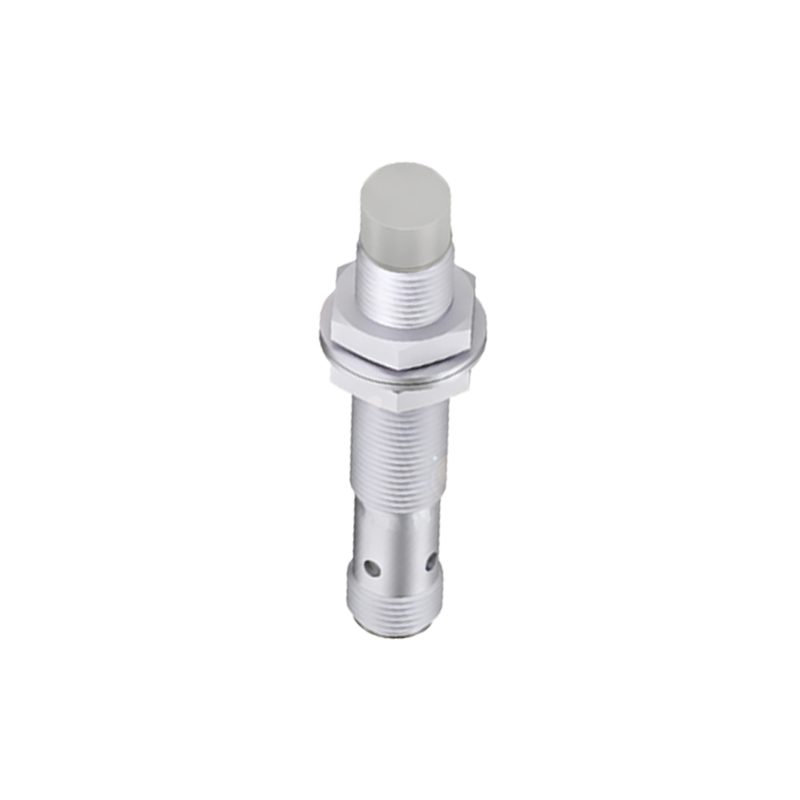
Capacitive proximity sensors operate on a different principle. They generate an electrostatic field and detect changes in capacitance. When any object, metallic or non-metallic (such as plastic, wood, liquid, or granules), approaches the sensing face, it alters the dielectric constant of the field, changing the capacitance. This change triggers the output. This versatility makes capacitive sensors perfect for applications like level detection in tanks (for liquids or powders), detecting non-metallic materials on conveyor belts, or even sensing through certain non-metallic container walls.
For longer-range detection or for sensing non-metallic objects where capacitive sensing is unsuitable, photoelectric sensors are the go-to choice. These sensors consist of a light emitter (usually LED) and a receiver. They detect objects by either breaking (through-beam), reflecting (retro-reflective), or diffusing (diffuse) a light beam. Through-beam types offer the longest range and highest reliability, as the object physically interrupts a beam sent from an emitter to a separate receiver. Diffuse sensors house both emitter and receiver in one unit, detecting light reflected directly from the target, making them simpler to install but with a shorter, target-color-dependent range.
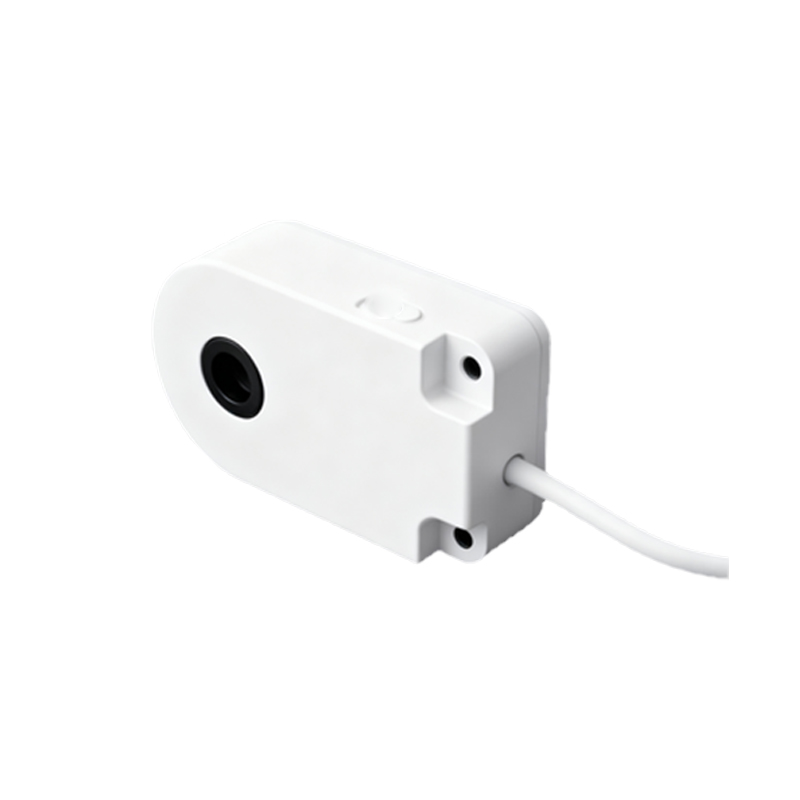
Ultrasonic proximity sensors use sound waves beyond human hearing. They emit high-frequency ultrasonic pulses and measure the time for the echo to return. The time-of-flight calculation determines the distance to the object. These sensors excel in detecting objects of virtually any material, shape, or color, and are superb for distance measurement, level sensing of bulk materials, and transparent object detection where photoelectric sensors may struggle.
Selection criteria for these sensors are critical for optimal performance. Key parameters include sensing distance (rated and effective), target material, output type (PNP/NPN, NO/NC), supply voltage, housing style (cylindrical, rectangular), and environmental rating (IP67, IP69K for washdown). For instance, an inductive sensor specified for 8mm on mild steel will have a reduced range for aluminum or stainless steel. Similarly, the response frequency—how quickly a sensor can detect objects passing by—is vital for high-speed counting applications.
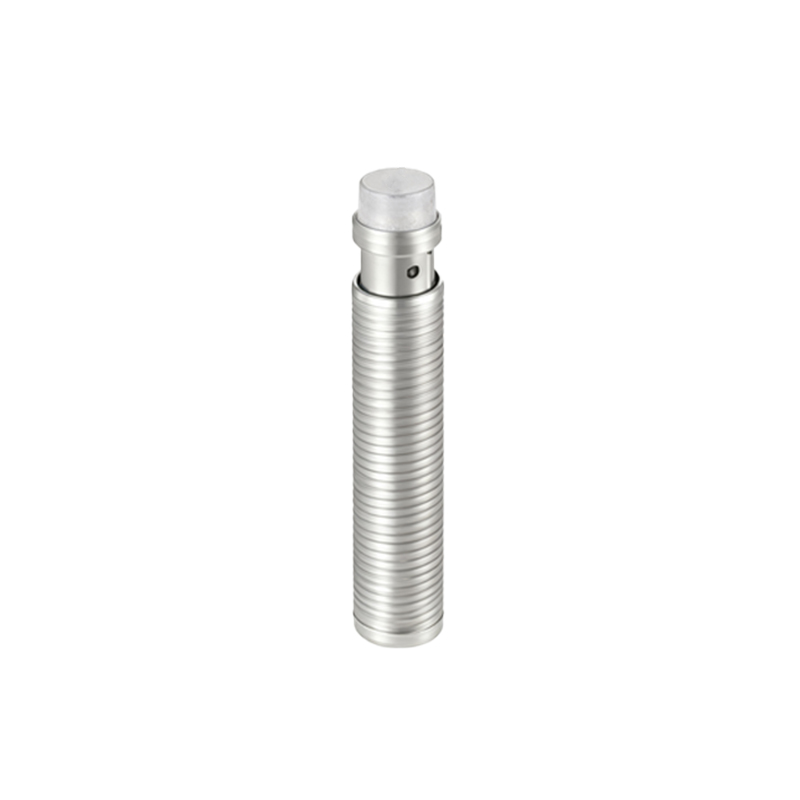
Industrial applications are vast. On assembly lines, inductive sensors verify the presence of metal components. Capacitive sensors monitor fill levels in bottles or detect plastic caps. Photoelectric sensors count boxes, detect labels, or ensure correct positioning. Ultrasonic sensors manage pallet stacking height in warehouses. Crucially, in machine safety, certified safety-rated proximity sensors (like Type 4 PL e) are used as part of guard door interlocking systems to prevent machine operation when a protective door is open, directly protecting personnel.
Installation and maintenance practices significantly impact longevity and reliability. Proper mounting, ensuring adequate clearance from metal surrounds (to prevent shielding effects), and protecting sensors from physical impact are essential. While solid-state designs mean no moving parts to wear out, regular checks for sensing face contamination (build-up of dirt, ice, or metal chips) are necessary, as this can reduce effective sensing range. Understanding the principles and characteristics of each proximity sensor type empowers engineers and technicians to design more efficient, reliable, and safe automated systems, forming the silent, vigilant backbone of modern industrial operations.