In modern industrial environments, safety and operational efficiency are paramount. Electronic sound and light alarms serve as critical components in ensuring both, providing immediate, unambiguous alerts to potential hazards or system status changes. These devices integrate audible and visual signals to cut through ambient noise and visual clutter, making them indispensable across sectors such as manufacturing, energy, transportation, and hazardous material handling.
The core functionality of an electronic sound and light alarm lies in its dual signaling capability. The audible component typically employs piezoelectric or electromagnetic sounders, capable of producing high-decibel tones at various frequencies. These sounds are engineered to be distinct from background machinery noise, often complying with international standards like IEC 60947-5-1 for acoustic signaling devices. The visual component usually consists of high-intensity LED or xenon strobe lights, offering bright, flashing signals in colors standardized for specific meanings—red for danger, amber for warning, green for safe conditions, and blue for mandatory actions. This color coding, aligned with ISO 3864-1 safety colors and signs standards, ensures rapid comprehension regardless of an operator's language or location.
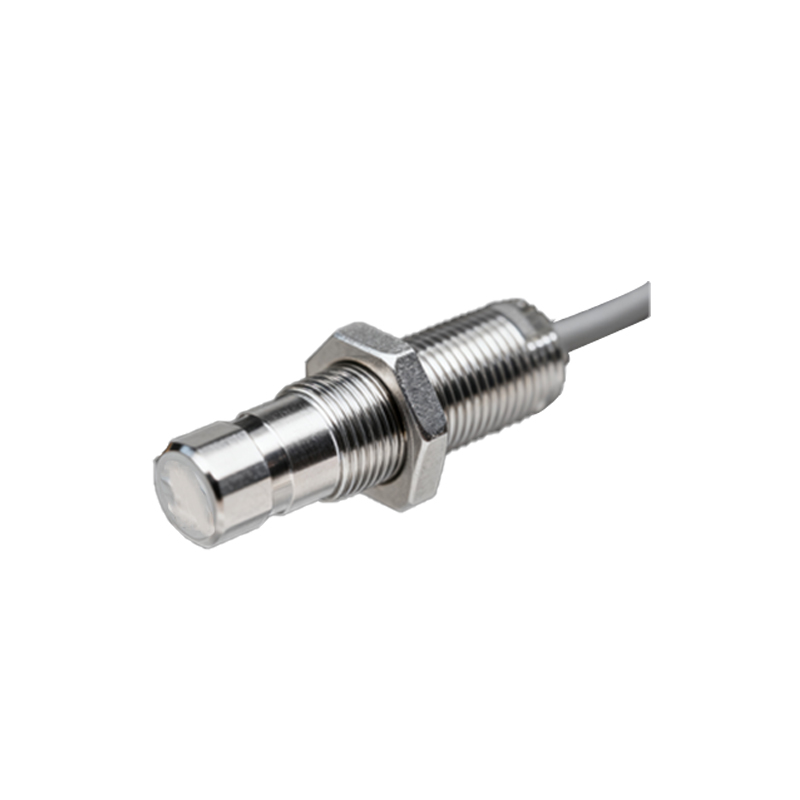
Key design considerations for these alarms include environmental durability. Industrial-grade units are rated with Ingress Protection (IP) codes, such as IP65 or IP67, indicating dust-tight and water-resistant construction. They must withstand temperature extremes, vibration, and corrosive atmospheres common in facilities like chemical plants or offshore platforms. Additionally, modern alarms feature programmable controllers, allowing customization of flash patterns, sound sequences, and synchronization in multi-unit installations. Integration with Programmable Logic Controllers (PLCs) or Distributed Control Systems (DCS) via digital inputs (e.g., 24V DC) enables automated activation based on sensor data, such as gas detection or pressure thresholds.
Applications are diverse. In manufacturing, alarms signal machine faults or production line stoppages, minimizing downtime. In energy sectors, they alert to electrical faults or fire risks. Transportation hubs use them for emergency evacuations. A notable advancement is the rise of "intelligent" alarms with self-testing functions and network connectivity for remote monitoring, reducing maintenance efforts.
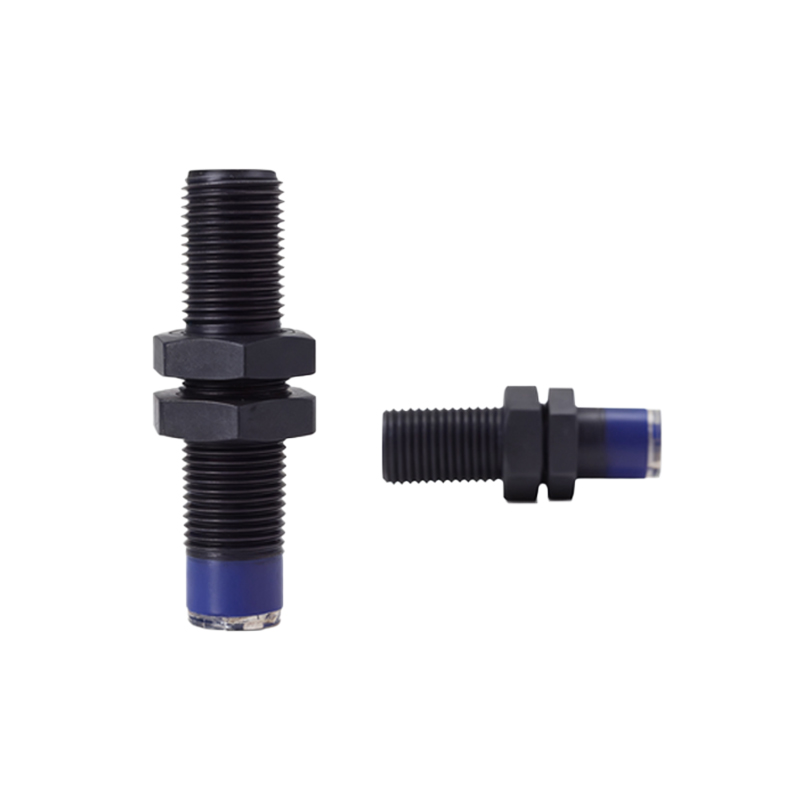
Selecting the right alarm involves assessing sound output (measured in decibels at a specified distance), light intensity (in candela), power requirements, and compliance with regional safety regulations like ATEX for explosive atmospheres or UL listings in North America. Proper placement is also crucial; alarms should be installed at visible heights and audible distances, considering plant layout and ambient conditions.
In summary, electronic sound and light alarms are vital for industrial safety protocols. Their evolution toward smarter, more integrated systems continues to enhance responsiveness and reliability, protecting both personnel and assets in increasingly complex operational landscapes.